Travellers comparing smaller portions
If you want to keep the calories in one airport snack down, compare the kcal figure with the weight of the stated serving. A 19g bar and a 55g bar represent different amounts of food.


Among the five named bars compared by manufacturer-declared calories per stated serving, Alpen Light Chocolate & Fudge has the lowest figure: Weetabix Cereals lists 65 kcal for a 19g bar. Kellogg’s UK lists 104 kcal for a 27g Special K Red Berry Bar; if portion size, protein or fibre matters more to you than the lowest calorie figure, compare those details alongside the calories and check the exact pack for allergens before travelling.
The useful starting point is what you want one bar to provide during the journey, not how its front-of-pack wording sounds.
If you want to keep the calories in one airport snack down, compare the kcal figure with the weight of the stated serving. A 19g bar and a 55g bar represent different amounts of food.
If a small cereal bar does not suit your plans, you may prefer to compare larger oat, nut or protein bars. Check their calories per whole serving as well as the protein and fibre shown on the pack.
Cereal bars can differ in their listed cereals, nuts, milk and soya, including possible cross-contact warnings. Check the exact variant’s current packaging rather than relying on its brand or appearance.
Start with calories for the portion you would eat, then check whether its ingredients and format work for your journey.
| Priority | What to check | Your needs |
|---|---|---|
| Calories and portion | Read kcal per stated serving and its weight in grams. Check whether the serving is one bar or more: Nature Valley UK lists 196 kcal for two Crunchy bars weighing 42g, while Weetabix Cereals lists 65 kcal for one 19g Alpen Light Chocolate & Fudge bar. | I want to know what the calorie figure covers before deciding whether that portion suits a short wait or a longer journey. |
| Sugars and other nutrients | Compare sugars per serving separately from calories, and read the saturated fat, protein and fibre values that matter to your choice. TREK lists 2.2g sugars and 197 kcal per 55g Choc Caramel bar: its sugar figure alone does not describe its calories. | If I am choosing between a smaller cereal bar and a larger protein bar, I want to compare the whole nutrition panel rather than one front-of-pack claim. |
| Airport packing | Check that your snack is a solid bar and look up the rules for your departure airport and any transfer. GOV.UK says food can obstruct X-ray images and may require manual checking; liquid and semi-liquid food rules vary by airport. | I would like a snack I can keep accessible in hand luggage if security staff ask to inspect it. |
| Ingredients and suitability | Read the exact pack’s ingredient list, allergen declaration and any dietary-suitability statement. Check possible cross-contact warnings as well as ingredients the bar contains. | When I am relying on a packed snack, I need to know whether that particular variant fits my ingredient restrictions before I leave. |
Manufacturer figures apply to their stated portions, which differ considerably. Weetabix Cereals lists 65 kcal for a 19g Alpen Light Chocolate & Fudge bar; Eat Natural UK lists 220 kcal for a 40g Dark Chocolate & Peanut Protein Bar.
Compare the kcal figure and gram weight for the amount you expect to eat. Do not treat a protein, oat or nut description as a calorie figure.
Different nutrition figures answer different questions. TREK lists 2.2g sugars but 197 kcal for its 55g Choc Caramel bar.
Read sugars and calories separately on the exact variant’s panel, then decide which figures matter to your purchase.
The named manufacturers list different cereals, nuts, milk and soya across these bar variants, including possible cross-contact warnings.
Check the current packaging of the bar you intend to pack, particularly if it will be your only snack during a delay.
GOV.UK says food items can obstruct X-ray images, so a hand-luggage bag may need manual inspection. It also says liquids rules depend on the airport.
Keep a solid bar accessible and check the relevant airport, airline, transfer and destination requirements before travelling.
These figures describe named variants and their stated servings, not every bar made by each brand.
Weetabix Cereals lists Alpen Light Chocolate & Fudge at 65 kcal per 19g bar.
Kellogg’s UK lists 104 kcal per 27g Special K Red Berry Bar.
Nature Valley UK lists a stated serving of two Crunchy Variety bars weighing 42g.
Graze presents its Oat Boost flapjacks with a brand-owned sugar comparison.
Eat Natural UK lists its Dark Chocolate & Peanut Protein Bar at 220 kcal per 40g bar.
TREK lists its Choc Caramel bar at 197 kcal per 55g serving.
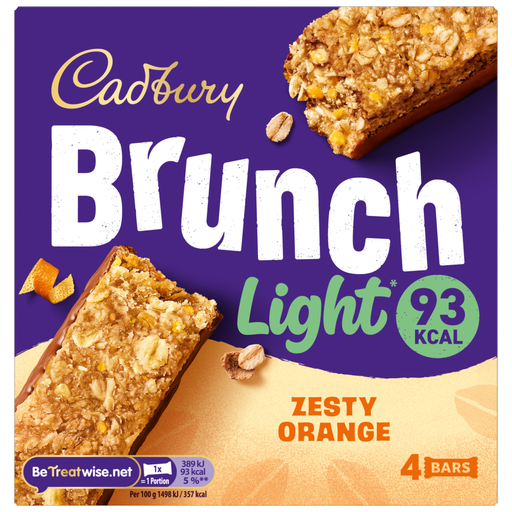
These Joybuy listings cover cereal bars and oat bars to consider for an airport snack. They are separate variants from the manufacturer examples above: compare the nutrition and allergen information on each exact pack before choosing.
 No image available
A four-pack to consider if you want to pack cereal bars for a journey. Check calories per bar and the current ingredient and allergen information on the pack.
 No image available
Each bar’s stated weight is 21.5g, which gives you a portion size to compare with other airport snacks. Check its own nutrition panel rather than using figures for Special K Red Berry.
 No image available
This listing specifies four 30g bars. If you are comparing oat bars for travel, check this flavour’s calories, sugars and allergens on its own pack.
 No image available
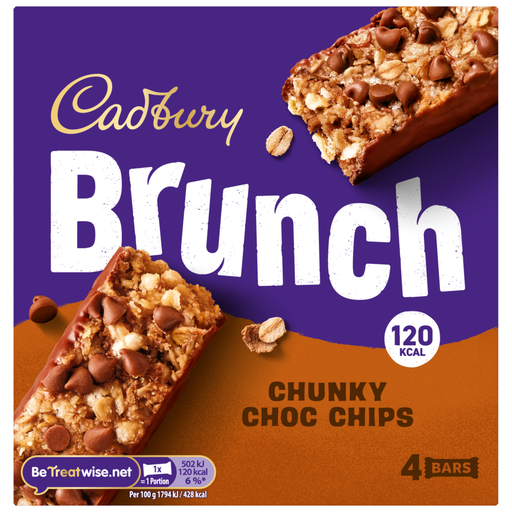
Another four-pack option for a packed snack. Use the Chocolate Chip variant’s stated serving and nutrition panel when comparing it with Brunch Light Orange.
 No image available
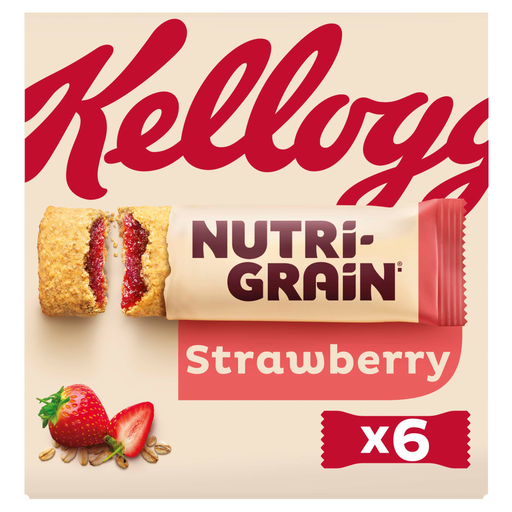
A six-pack of Strawberry Nutri Grain bars to compare with other cereal-bar portions. Read its own per-bar nutrition and allergen information; figures for Special K products do not describe this variant.
An ordinary solid cereal bar is not a liquid or semi-liquid food, but it may still be inspected. GOV.UK says food can obstruct X-ray images and a bag may need manual checking. Keep the bar accessible and check the rules for your departure airport, airline and any transfer or destination.
GOV.UK treats drinks and liquid or semi-liquid foods as liquids, whereas a solid bar is food that may still require manual inspection. Liquids rules vary by airport, so check the airport’s requirements before packing yoghurt, a spread or a drink.
Of the five named manufacturer examples compared here, Alpen Light Chocolate & Fudge has the lowest stated figure: Weetabix Cereals lists 65 kcal per 19g bar. Kellogg’s UK lists 104 kcal per 27g Special K Red Berry Bar. The portions differ, so compare their weights as well as their calories.
No. TREK lists 15g protein and 197 kcal per 55g Choc Caramel bar, while Eat Natural UK lists 7.8g protein and 220 kcal per 40g Dark Chocolate & Peanut Protein Bar. Compare the full serving if calories are your main criterion; consider protein separately if it matters to your choice.
Read the current label for the exact flavour and pack you are taking, including ingredients and possible cross-contact warnings. The named bar variants differ in their declarations for cereals, nuts, milk and soya; a brand name alone cannot establish whether a particular bar meets your requirements.