Parents starting baby-led weaning
If your baby is under 12 months, a wrapped bar is not a substitute for age-appropriate weaning food. The NHS says children under one should not be given snacks and advises avoiding honey until 12 months.


Do not buy cereal bars as grab-bag snacks for a baby under 12 months: the NHS says children under one should not be given snacks, and honey must be avoided until 12 months. For an older child, compare a bar with simpler snack options, then check its current ingredients, allergens and texture before serving it or packing it for childcare.
If your baby is under 12 months, a wrapped bar is not a substitute for age-appropriate weaning food. The NHS says children under one should not be given snacks and advises avoiding honey until 12 months.
From 12 months, snacks may become part of a child’s day. The NHS gives fruit, vegetable sticks, toast, bread and plain yoghurt as examples to consider alongside the convenience of a packaged bar.
Check the exact bar’s current allergen statement and the setting’s food policy before it goes in a bag. The NHS notes that some nurseries have peanut- or nut-free policies.
Start with the child’s age. For an older child, assess the food itself and where it will be eaten, rather than relying on the convenience of its wrapper.
| Priority | What to check | Your needs |
|---|---|---|
| Age and snacks | For a baby under 12 months, follow NHS advice not to give snacks. From 12 months, consider whether a snack is needed between meals. | My baby has started solids, but I need food that fits their stage of weaning—not an adult-style snack chosen for its wrapper. |
| Ingredients and sugars | Check for honey, which the NHS says to avoid until 12 months. For an older child, read the ingredients and compare sugars per serving on the current pack. | For a toddler’s bag, I want to know what is in the whole bar, not judge it by an oat or wholegrain claim. |
| Size and texture | Consider the bar’s size, shape and texture against the child’s ability to manage it. Follow NHS advice to seat young children upright and supervise eating. | A portable snack is useful only if my child can manage its texture safely while seated and supervised. |
| Allergens and setting rules | Read the exact pack’s ingredients and may-contain warnings. Check the childcare setting’s policy, including any peanut or nut restrictions. | Before I pack a bar, I need to know whether its label fits my child’s needs and the setting’s rules. |
| Everyday alternatives | Compare the bar with the NHS’s snack examples for children from 12 months, including fruit, vegetable sticks, toast, bread and plain yoghurt. | Separate portions are convenient, but I do not want a packaged bar to replace other snack options by default. |
Starting baby-led weaning does not change the NHS advice that children under one should not be given snacks. Some cereal bars also contain honey, which must be avoided until 12 months.
For a baby under 12 months, plan age-appropriate weaning food instead of a cereal-bar snack.
Wholegrain ingredients do not tell you whether a bar contains honey or how much sugar is in a serving. Nature Valley lists honey in its Crunchy Variety Pack and 11.3 g sugars per two-bar, 42 g portion.
For an older child, read the full ingredients and per-serving nutrition information, then compare the bar with other snack options.
An older description cannot establish the ingredients or allergen statement on the bar you are about to serve. Alpen’s available manufacturer gluten document, for example, is dated November 2021.
Check the physical pack’s ingredients, serving information and allergen warnings each time you choose a product.
Individual wrapping does not change a product’s allergens or a setting’s food policy. The NHS notes that some nurseries may be peanut- or nut-free.
Read the current pack and ask the setting about its policy before packing the bar.
These examples show why the exact product label matters; a brand name alone cannot establish suitability for a child.
The UK Crunchy Variety Pack contains two bars per 42 g portion.
The UK Rice Krispies Snack Bar provides an example of a 20 g cereal snack bar; its details do not describe every Kellogg's bar.
A Weetabix Food Company document dated November 2021 names several Alpen cereal-bar lines in its wheat and oat gluten information.
These bar formats are relevant to a portable snack for a child aged 12 months or over, not to feeding a baby under one. Age, ingredients, texture and childcare rules still need checking for the individual child and pack.
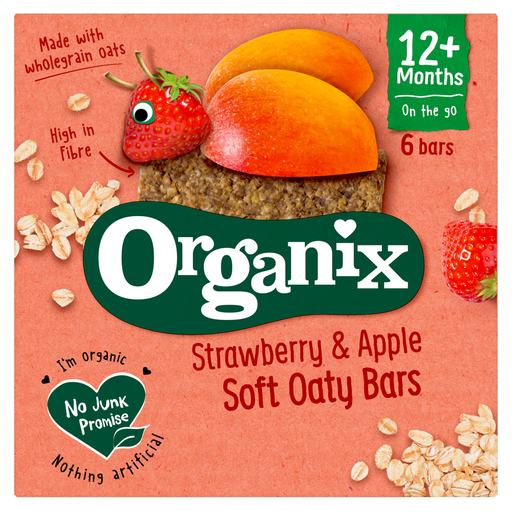 Image unavailable
The 6 x 23g pack is an option to assess for an occasional snack from 12 months, not for a baby under one. Check the current ingredients and allergen statement, and make sure your child can manage the texture while supervised.
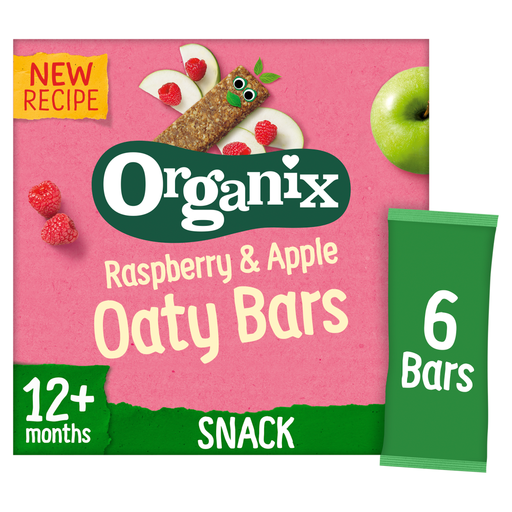 Image unavailable
This 6 x 23g variant is labelled 12+ months. If considering it for a toddler’s bag, compare the current pack’s ingredients and sugars per serving with other snacks, and check its allergen information.
 Image unavailable
The 4 x 30g format may be convenient for an older child’s bag, but it is not a baby-led-weaning snack for an infant. Check the current pack for nuts and other allergens, and assess the texture before serving it to a toddler or packing it for childcare.
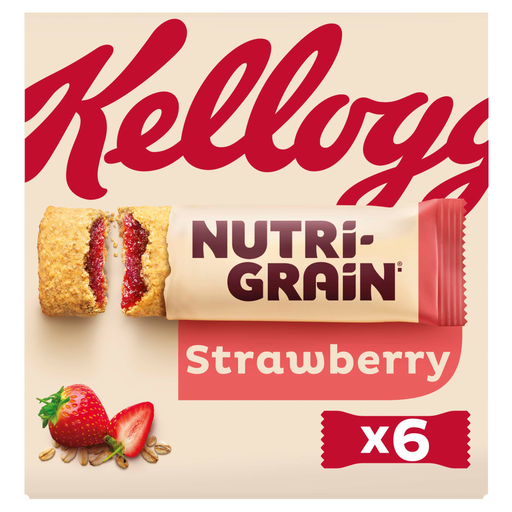 Image unavailable
This six-pack is another bar format to assess for an older child, rather than a snack for a baby under 12 months. Read the exact pack’s ingredients, sugars per serving and allergen warnings before deciding whether to serve or pack one.
No. The NHS says children under one should not be given snacks. It also advises avoiding honey until 12 months, so starting solids does not make a honey-containing bar appropriate.
No. NHS advice is to avoid honey until a baby is 12 months old, regardless of when they started solids. Check the ingredients of any packaged food before serving it.
The NHS says a child from 12 months may need snacks between meals and gives fruit, vegetable sticks, toast, bread and plain yoghurt as examples. A cereal bar does not automatically replace those options; check its ingredients and serving information if you are considering one.
Yes. The NHS advises considering food size, shape and texture, and supervising babies and young children while they eat. For an older child, assess whether they can manage the particular bar while seated and supervised.
Check the current pack and the individual setting’s food policy first. The NHS notes that some nurseries may be peanut- or nut-free; other ingredients and may-contain warnings may also matter for your child.