What should you check before buying?
Start with the intended time and portion, then compare the exact bar’s nutrition panel and ingredients rather than choosing by its range name.
| Priority | What to check | Your needs |
|---|
| Pre-training snack |
Read carbohydrate, protein and fat per bar. University College London Hospitals describes a carbohydrate-and-protein snack with minimal fat 60–90 minutes before training when a meal was missed. |
If I have not eaten a meal beforehand, I want a portion that fits my timing and that I know I tolerate. |
| Portion and pack |
Compare the bar weight, number of portions and nutrition declaration per bar. Check whether an inner packet holds one bar or more. |
I need one portion I can put in a bag, rather than having to judge a serving from the outer pack. |
| Nutrition claims |
Compare sugars, saturated fat and fibre for the exact flavour; a protein claim does not describe the whole panel. In its 2025 review of supermarket snack bars, Action on Sugar reported that 53% carried a protein claim, 37% were high in sugars and 55% were high in saturated fat under the report’s front-of-pack thresholds. |
A claim on the wrapper catches my eye, but I want to know what one bar contains. |
| Ingredients |
Read the current pack’s ingredients and highlighted allergens. Check a gluten-free or vegan label on the exact product, not on another bar in the range. |
If I avoid gluten, nuts, milk or soya, the particular flavour and pack must meet my requirements. |
| Bar type |
Compare a sweet cereal treat with a protein-containing bar using their per-bar declarations. Kellogg’s lists 21g carbohydrate, 9g sugars and 0.8g protein per Gooey Marshmallow Rice Krispies Square. |
I may want a sweet cereal treat, but I would not assume it has the same nutritional profile as a protein bar. |
Joybuy multipacks to compare
These TREK flapjack and Nature Valley protein-bar multipacks offer portions to compare for a gym-bag snack. Check each flavour’s nutrition and ingredients against your intended timing and dietary requirements.
 No image available
TREK Salted Caramel Protein Flapjacks 3 x 50g
A flapjack multipack to consider when you want a portioned snack to carry before training. The stated pack contains three 50g bars; check the exact flavour’s per-bar carbohydrate, protein, fat and allergens.
View on Joybuy
 No image available
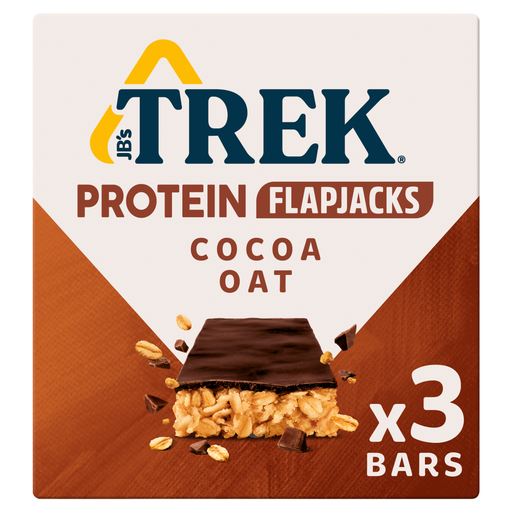
TREK Cocoa Oat Protein Flap Jacks 3 x 50g
This cocoa-and-oat flapjack is another portioned format for a gym bag. The stated pack contains three 50g bars; compare its exact nutrition and allergen declaration with other flavours rather than assuming they match.
View on Joybuy
 No image available
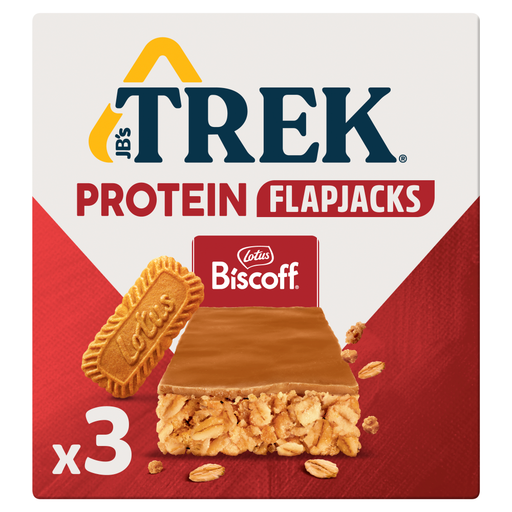
TREK Biscoff Flapjack 3 x 50g
This three-bar flapjack pack gives you a stated 50g portion to compare with other grab-bag options. Check its own ingredients, allergens and per-bar nutrition; details for other TREK flavours should not be applied to it.
View on Joybuy
 No image available
Nature Valley Protein Salted Caramel Nut Bar 4 x 40g
A nut-bar multipack for comparing a 40g portion with the larger flapjacks above. The stated pack contains four bars; check its per-bar fat, carbohydrate and protein, and read the exact allergen declaration before choosing it for training.
View on Joybuy
 No image available
Nature Valley Protein Peanut & Chocolate Cereal Bars 8 x 40g
An eight-bar pack to compare if you want repeated 40g portions. Nature Valley lists 10g protein per Peanut & Chocolate bar and describes it as gluten-free; it contains peanuts, so check the current pack’s full ingredients, allergens and remaining nutrition before buying.
View on Joybuy
Frequently asked questions
When might I eat a bar before training?
University College London Hospitals describes a pre-training snack 60–90 minutes before exercise when you have not eaten a meal 2–3 hours beforehand. Its guidance describes carbohydrate and protein with minimal fat; choose a timing and portion you know you tolerate.
Does a “protein” label tell me whether a bar suits this use?
No. Compare carbohydrate, protein, fat and sugars per bar, as well as the portion size. A protein claim describes only one aspect of the bar, not its complete nutrition or whether you tolerate it before training.
Can I choose any bar from a range described as gluten-free?
Check the exact bar and flavour. TREK describes its Protein Flapjacks as gluten-free, and Nature Valley identifies particular Protein bars that way, but neither statement establishes the ingredients of every product bearing the brand name. Read the current pack’s label.
What if I avoid nuts, milk or soya?
Use the full ingredients and allergen statement for the exact product, not the brand or bar type. For example, Eat Natural lists possible milk and several tree nuts for its Dark Chocolate & Peanut Protein Bar. Recheck the physical pack before eating a new flavour or a newly purchased pack.


