
24/7 Customer Support

Free returns

Same-day & Next-day Delivery

Quality Guaranteed

Unlock Your Welcome Offers: FREE Delivery | Up to 80% OFF | Free 30-day JoyPlus trial
Download the APP
Navigating the snack aisle for the right cereal bars can feel overwhelming. Shelves are filled with options promising everything from a quick breakfast fix to post-workout fuel. However, many fall short, leaving you with a snack that is less healthy than you thought or simply doesn't suit your needs. As a Joybuy Product Recommendation Officer, my role is to help you see past the marketing and make a choice that genuinely works for you.
Before you add that next box to your basket, let's look at a few common pitfalls that UK shoppers encounter and how to avoid them.
To ensure you're getting what you pay for, focus on these three core parameters before you buy. This simple check can make all the difference between a smart purchase and a disappointing snack.
The order of ingredients matters. If sugar (or one of its many variants) is one of the first three ingredients, the bar is likely to be a high-sugar treat. Instead, look for wholegrain oats, nuts or seeds at the top of the list. These provide slow-release energy and valuable fibre. For a healthier choice, aim for a bar with less than 22.5g of sugar per 100g and more than 6g of fibre per 100g. This makes them suitable as occasional breakfast bars or healthy snack bars.
If you're looking for a bar to support an active lifestyle, the protein content is non-negotiable. A good rule of thumb for a genuine protein bar is to look for at least 15g of protein per 100g. The source is also important; ingredients like soy protein isolate, whey, nuts and seeds are common and effective. This metric helps you distinguish a true protein bar from a standard granola bar with a small amount of added protein.
This might seem obvious, but it's a critical final check. Many cereal bars are produced in facilities that handle nuts, gluten and dairy, leading to "may contain" warnings. If you have an allergy or are looking specifically for gluten free cereal bars, always check the allergen information, which is legally required to be clearly stated.
To help you find a suitable match, here are a few recommendations from our catalogue, aligned with different needs and lifestyles.

Why This Fits Their Persona: This bar is designed for those who need a substantial protein boost after a workout or as a filling snack to support an active day. The combination of peanuts and soy protein provides a solid foundation for muscle maintenance.
It sidesteps the vague protein promise by delivering a high concentration of protein (25.6g per 100g), making it a genuinely functional protein bar rather than just a cereal bar with a hint of protein.
High in both protein and fibre (10.7g per 100g), which helps with satiety. It is also gluten-free.
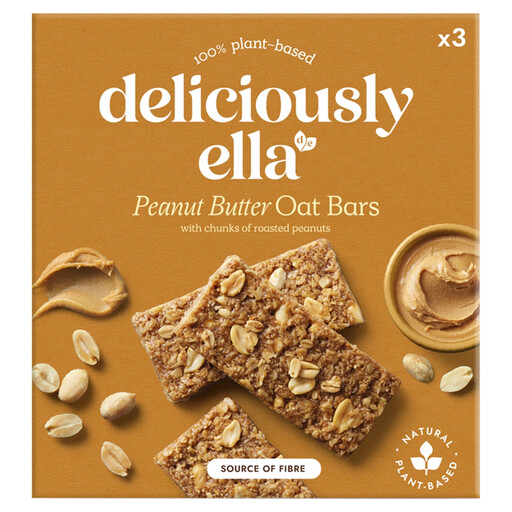
Why This Fits Their Persona: Ideal for those who prioritise plant-based, gluten-free ingredients. This bar is made with a short list of recognisable components, appealing to shoppers who want a less processed snack.
It avoids the "healthy halo" trap by being transparent about its ingredients. While it contains sugars from rice and date syrup, it doesn't hide them behind misleading health claims and focuses on its gluten-free and plant-based credentials.
Made with gluten-free oats as the primary ingredient and provides a good source of plant-based protein (10.1g per 100g) from peanuts.
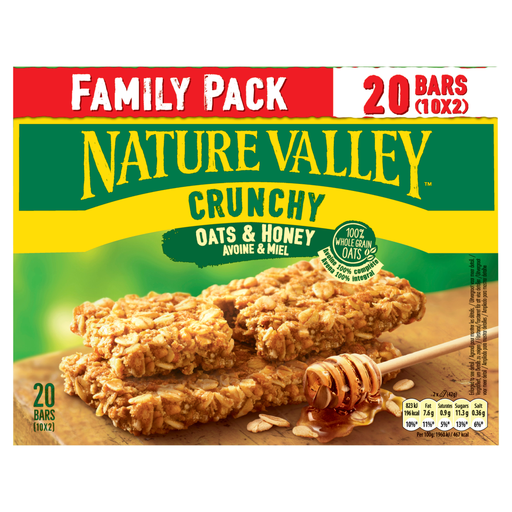
Why This Fits Their Persona: This large cereal bar multipack offers great value and convenience. The classic crunchy oat and honey flavour is a crowd-pleaser, making it a reliable staple for lunchboxes, car journeys and after-school snacks.
It avoids portion distortion by packaging the bars in twin-wrapped portions. It is presented as a classic oat bar, not a health food, which manages expectations about its nutritional profile.
Excellent value with 20 bars per pack. Made with 60% whole grain rolled oats, providing a source of fibre.
We have compiled a complete, real-time list of products that fully satisfy these strict selection criteria and UK safety regulations.
Some cereal bars can be part of a quick breakfast, but they are not a direct replacement for a balanced meal. Look for breakfast bars that are high in fibre and whole grains and low in sugar. They are best used for days when you are short on time, rather than as an everyday solution.
While often grouped together, they have key differences.
According to NHS guidelines, a food product with more than 22.5g of total sugars per 100g is considered high in sugar. To make a healthier choice, try to find bars with under 5g of sugar per serving. Comparing the "per 100g" column on the nutritional label is the most reliable way to see which bar has less sugar.