What should you check before choosing?
Start with storage and portion size, then use the per-bar label and the exact wrapper to narrow down formats for your trip.
| Priority | What to check | Your needs |
|---|
| Storage and packing |
Check that the bar is ready to eat, remains unopened until needed and has storage instructions you can follow. Keep its wrapper with the portion. |
I want a dry snack I can carry separately while travelling or walking, without treating it as a substitute for safely stored meals. |
| Portion and protein |
Compare bar weight and protein and fibre per bar. Nature Valley UK lists around 10g protein and 4g fibre per 40g Protein Peanut & Chocolate bar; Kellogg’s UK lists 1g protein per 20g Rice Krispies Snack Bar. |
For a longer outing, I want to compare a larger protein-oriented portion with a small sweet snack, rather than choosing by pack appearance. |
| Sugars and energy |
Read sugars and energy for the actual serving. The Waitrose & Partners listing gives 3.3g sugars and 129kcal per 30g Graze Honey Oat Boost; Kellogg’s UK gives 5.8g sugars and 83kcal per 20g Rice Krispies Snack Bar. Their different serving sizes matter. |
A smaller bar may suit my planned snack break, but I want to compare its own label rather than rely on words on the front of the pack. |
| Ingredients and allergens |
Check the exact flavour’s ingredients, allergen declaration and any ‘may contain’ statement. Assess vegan or gluten-free claims separately from other allergen information. |
If several people will use the bag, I need to know which wrapped bar each person can have before mixing the portions together. |
Brand ranges and formats
These brand examples show why the exact product matters more than the name on the multipack.
Nature Valley
Its UK range includes crunchy oat bars and protein bars, which are different choices for a camping snack bag.
- Nature Valley UK lists around 10g protein and 4g fibre per 40g Protein Peanut & Chocolate bar.
- That product contains peanuts, soya and milk and may contain tree nuts; check the exact pack before sharing it.
Graze
Oat Boost is an oat-flapjack format for shoppers comparing a smaller bar portion.
- The Waitrose & Partners listing gives 3.3g sugars per 30g Honey Oat Boost.
- The same listing carries precautionary warnings for several allergens, including peanuts, nuts, milk and cereals containing gluten.
TREK
TREK offers protein flapjacks for shoppers considering a plant-based bar format.
- TREK states that its Protein Flapjacks provide 9g plant-based protein per bar.
- Check the precise flavour’s ingredients and allergen statement; plant-based suitability does not establish allergen suitability.
Eat Natural
Its Dark Chocolate & Peanut Protein Bar is a nut-led option for people who can eat its listed ingredients.
- Eat Natural UK lists peanuts as 49.5% of that bar’s ingredients.
- The product contains peanuts and soya and may contain milk and several tree nuts.
Kellogg’s
Rice Krispies Snack Bar is a small cereal-and-milk snack format rather than a protein-oriented bar.
- Kellogg’s UK lists 83kcal and 1g protein per 20g bar.
- Its listed ingredients include milk, wheat and soya; check the current wrapper for the full declaration.
Alpen
Alpen’s UK product information describes wholegrain muesli. For a camping grab bag, check that the particular product you are considering is a separately portioned, ready-to-eat bar.
- A muesli pack and an individually wrapped cereal bar have different packing and serving requirements.
Cereal bars and flapjacks on Joybuy
These options cover protein-oriented cereal bars, nut bars and protein flapjacks for a camping snack bag. Compare the stated pack sizes and check each exact wrapper for storage directions, nutrition and allergens.
 No image available
Nature Valley Protein Peanut & Chocolate Bar 4 x 40g
A protein-oriented bar to compare for a walking snack. Nature Valley UK lists around 10g protein and 4g fibre per 40g bar; this product contains peanuts, soya and milk and may contain tree nuts.
View on Joybuy
 No image available
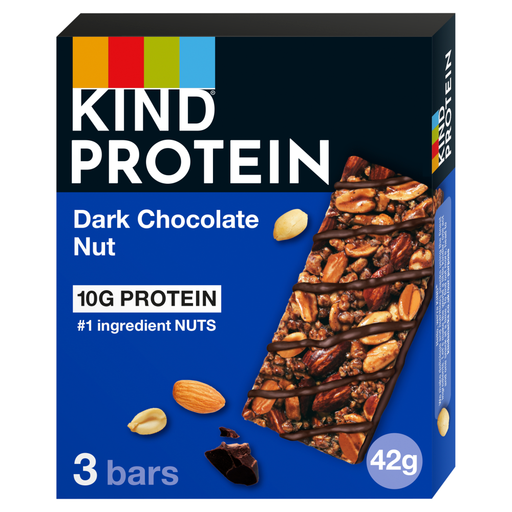
KIND Protein Dark Chocolate Nut Bars 3 x 42g
A nut-bar format in a three-bar, 42g-per-bar pack. For a shared camping bag, check the exact wrapper’s ingredients and allergen declaration before including it.
View on Joybuy
 No image available
Nature Valley Protein Salted Caramel Nut Bar 4 x 40g
A four-bar nut-flavoured option for comparing 40g snack portions. Check this flavour’s own nutrition panel and allergen statement rather than applying figures from another Nature Valley bar.
View on Joybuy
 No image available
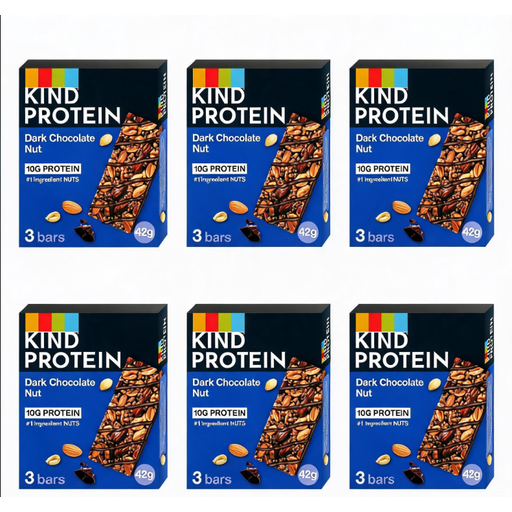
KIND Protein Dark Chocolate Nut Bars 3 x 42g x 6pcs
This listing specifies a 3 x 42g x 6pcs bundle, distinct from the three-bar pack above. Check the bundle contents and each bar’s current label when planning portions for a group.
View on Joybuy
 No image available
TREK Salted Caramel Protein Flapjacks 3 x 50g
A three-flapjack pack with 50g portions. TREK describes its Protein Flapjacks as plant-based; confirm the Salted Caramel pack’s ingredients, allergens and dietary claims before choosing it for a group.
View on Joybuy
Camping cereal-bar questions
Can cereal bars replace food that needs chilling?
No. Pack bars as dry snacks, not as a way to keep other food safe without suitable storage. The Food Standards Agency advises considering predominantly dry foods if food cannot be stored sufficiently during a camping trip; also follow each bar’s storage instructions.
Is a protein bar always the right choice for a walk?
No. Choose by the portion and nutrition figures you want for that snack: compare protein, fibre, sugars and energy per actual bar. A small sweet cereal bar and a larger protein-oriented bar need not serve the same purpose, and neither replaces checking allergens.
How should I pack bars for a group with allergies?
Keep each bar in its original wrapper and check its exact ingredients and ‘may contain’ statement before putting it in a shared bag. Keep bars that are unsuitable for someone with a confirmed allergy separate rather than relying on the brand name to identify them.
Does a plant-based bar suit everyone in the group?
No. TREK describes its bars as plant-based, but that does not establish that a particular flavour suits every allergy or dietary requirement. Check the exact product’s ingredients, allergen statement and claims on its current pack.
Should I check every flavour in a mixed pack?
Yes, if different people will use the pack or you are comparing nutrition per portion. Ingredients and allergen declarations can differ by flavour, so check each included bar and retain its wrapper when packing it.


