Cyclists planning longer rides
If a ride will last over about 90 minutes, plan what you will carry and when you can eat it. British Cycling advises starting to eat early and taking small feeds regularly.


For rides over about 90 minutes, choose grab-bag bars by the carbohydrate in each portion and plan several small feeds rather than relying on one bar. British Cycling advises eating from the start of longer rides and then every 20–30 minutes. A carbohydrate-led bar can contribute to that plan; a protein- or fibre-led bar serves a different snacking priority, so compare the label and try your chosen food on a training ride.
If a ride will last over about 90 minutes, plan what you will carry and when you can eat it. British Cycling advises starting to eat early and taking small feeds regularly.
Compare the carbohydrate in each wrapped portion so you can count bars alongside any other food and drink you intend to take.
A bar chosen for carbohydrate during a longer ride need not be the same one you prefer for protein or fibre at another time. Check the per-bar figures rather than relying on the product name.
Start with the length of the ride, then compare nutrition per bar, the number of portions you can carry and the exact pack’s ingredients.
| Priority | What to check | Your needs |
|---|---|---|
| Carbohydrate per bar | Read the carbohydrate figure per wrapped portion, not just per 100 g. Count that portion alongside other food in your ride plan. | For a ride over about 90 minutes, I want to know what each bar contributes to regular feeds. British Cycling advises eating from the start of such rides and every 20–30 minutes. |
| Portions and access | Check the number and size of the wrapped bars. Consider whether you can carry, open and eat your planned portions during the ride. | I would rather pack several manageable portions than discover that one bar was my entire food plan. |
| Protein, fibre and fat | Compare these figures with carbohydrate on the same per-bar basis. Nature Valley UK lists 11 g carbohydrate, 10.2 g protein, 4.3 g fibre and 11.3 g fat per 40 g Protein Peanut & Chocolate bar. | When carbohydrate during a longer ride is my priority, a protein claim alone does not tell me how much fuel the bar contributes. For a snack at another time, I may choose on different grounds. |
| Ingredients and allergens | Read the current ingredient list and allergen statements for the exact flavour and pack; do not infer suitability from words such as oat or protein. | I need a bar that fits my dietary requirements, including any ingredients I must avoid. I will check the physical pack before eating it. |
Protein does not indicate the carbohydrate supplied during a ride. Nature Valley UK lists 11 g carbohydrate per 40 g Protein Peanut & Chocolate bar; Kellogg’s UK lists 21 g per 28 g Rice Krispies Square.
Compare carbohydrate per bar when planning longer-ride feeds. Choose a protein-led option when its labelled composition better matches what you want from a snack at another time.
Bar sizes differ: Kellogg’s UK lists 15 g carbohydrate in a 20 g Rice Krispies Snack Bar, while a 28 g Rice Krispies Square has 21 g. The number of bars you pack matters as well as the pack size.
Count individual portions against your planned ride duration, including any other food and drink you will carry.
Ingredients vary between flavours and brands. ASDA’s listing for Graze Peanut Butter Oat Boosts, for example, declares peanuts, soya and oats.
Check the current label on every exact pack, including precautionary statements, before buying or sharing bars.
A bar that looks convenient in its wrapper may not be convenient for you to open or eat while riding.
Try the exact flavour and portion on a training ride before relying on it at an event. British Cycling advises practising a fuelling plan rather than introducing new food on event day.
These examples show why the exact product and portion matter more than a brand name alone; they do not describe every bar in a brand’s range.
The two cited Rice Krispies products offer different portion sizes for a grab bag.
Its cited oat-and-crispy and protein bars should not be treated as interchangeable portions.
The cited Peanut Butter Oat Boost is an oat flapjack with a different per-portion profile from the Rice Krispies examples.
The cited Dark Chocolate & Peanut Protein bar is a nut-led option to compare with carbohydrate-led cereal bars.
A retailer listing describes a Protein Flapjack variety pack with 50 g bars.
An older Alpen bar recommendation may refer to a product that is no longer made.
These cereal bar multipacks are options for assembling a cycling grab bag. Check carbohydrate per portion on the exact pack where it is important to your ride plan; a pack’s size alone does not establish its carbohydrate contribution.
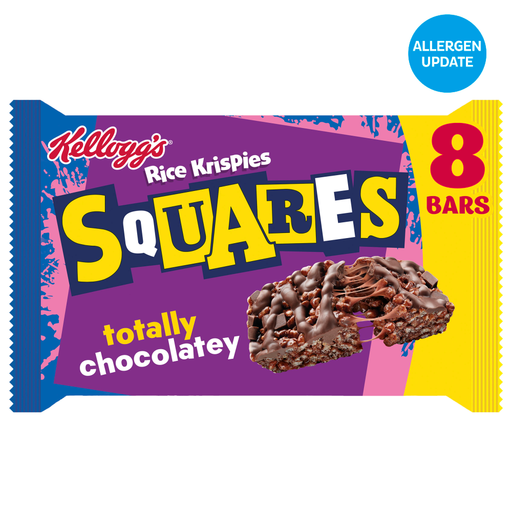 No image available
The 36 g bar size lets you count portions for a grab bag. Check carbohydrate per bar and the current ingredient and allergen label before including it in a longer-ride plan.
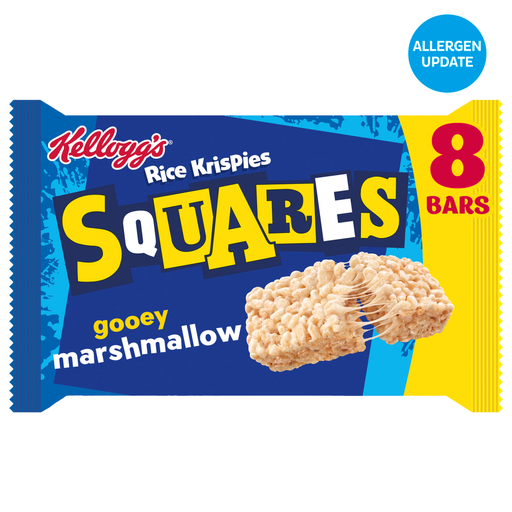 No image available
A wrapped portion can contribute to planned feeds on a longer ride. Joybuy’s listing gives 21 g carbohydrate and 0.3 g fibre per 28 g bar. Check the current pack’s ingredients and allergen statement.
 No image available
The six-pack format gives you portions to count when packing for a ride. Read the exact pack for carbohydrate per bar and allergen information before deciding how many to carry.
 No image available
The 42 g packs offer a crunchy option for a mixed grab bag. Try the texture on a training ride, and check carbohydrate and allergens for the flavours you intend to carry.
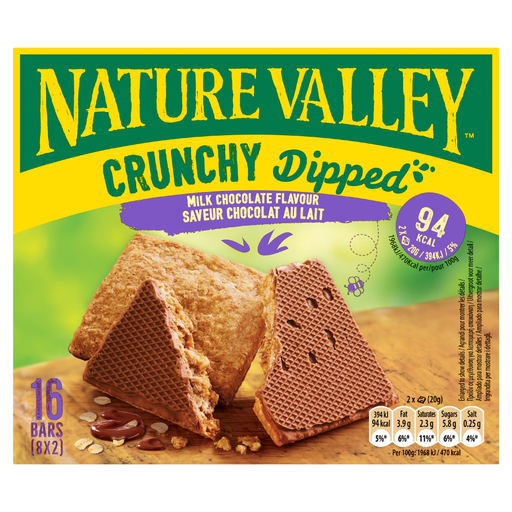 No image available
This crunchy, chocolate-dipped option comes in a 160 g pack. Check the labelled portion size and carbohydrate per portion rather than using the total pack weight to plan ride feeds; try eating it on a training ride first.
No single bar belongs in every ride plan. For rides over about 90 minutes, British Cycling advises eating from the start and continuing with regular small feeds; decide what to carry according to the ride and your other food and drink.
Count the carbohydrate in each bar alongside your other planned food and drink, rather than packing an arbitrary number of multipacks. British Cycling advises eating every 20–30 minutes on rides over about 90 minutes; its sportive guidance also gives a general rule of 1 g carbohydrate per kg of bodyweight per hour.
If carbohydrate during a longer ride is the reason for carrying it, compare carbohydrate per bar first. Kellogg’s UK lists 21 g per 28 g Rice Krispies Square, while Nature Valley UK lists 11 g carbohydrate and 10.2 g protein per 40 g Protein Peanut & Chocolate bar; those different figures may suit different snacking priorities.
Use it to shortlist bars, then check the physical pack’s ingredients and allergen statements before eating. Declarations differ by product and flavour, so an oat or protein label does not establish suitability for a particular dietary restriction.
Try the exact bar, flavour and portion on a training ride first. British Cycling advises practising a fuelling plan rather than introducing unfamiliar food on event day.