Desk workers putting together a quick lunch
An individually portioned bar is easy to keep at a desk. If it will be a substantial part of lunch, compare its protein and fibre per portion and bring other food to eat alongside it.


A cereal bar is more useful as one portable part of a quick desk lunch than as the whole meal. Compare protein, fibre and sugars for the portion you will eat, then plan what other food to have with it; check the ingredients and allergen information for each variety in a mixed bag.
The useful distinction is whether the bar is a lunch component, a smaller snack or a portion chosen to meet a specific dietary requirement.
An individually portioned bar is easy to keep at a desk. If it will be a substantial part of lunch, compare its protein and fibre per portion and bring other food to eat alongside it.
Look for a gluten-free or vegan statement on the exact variety where needed. Oats alone do not establish gluten-free status, and ingredients and may-contain warnings differ between bars.
Compare the sealed portions people will actually take, rather than choosing by words such as “oat” or “protein” on the front of a pack. Bar size and stated protein, fibre and sugars can differ between products.
Decide what role the bar will play in lunch, then compare labels on the same per-portion basis before checking each variety in the bag.
| Priority | What to check | Your needs |
|---|---|---|
| Role in lunch | Check protein, fibre and energy per bar. Think about what other food you will have with it; the UK government’s Eatwell Guide describes balance across food groups over a day or week. | “I need something portable for a missed lunch break, but I’m not treating one bar as the entire meal.” |
| Nutrition per portion | Compare the grams of protein, fibre and sugars for the bar or sealed serving you would eat, alongside the per 100g figures. For context, TREK states 10g protein for its Original Oat bar, while Tesco Groceries lists 4.7g fibre and 3.8g sugars per 30g Graze Sticky Toffee Oat Boost. | “If this is a substantial part of lunch, I want to see the actual protein and fibre figures, not rely on a claim on the wrapper.” |
| Pack portions | Check the number of bars, their individual weights and whether a listed serving contains more than one bar. Nature Valley UK gives nutrition for a two-bar, 42g serving of Crunchy Oats & Honey. | “I want portions that are straightforward to take to my desk, with nutrition figures I can match to what I’ll eat.” |
| Ingredients and labels | Check the exact flavour’s ingredients, allergen and may-contain statements, plus any gluten-free or vegan label you require. Repeat the check for every different variety in a mixed bag. | “A label on one bar does not tell me whether another flavour meets my requirements.” |
Convenience does not tell you how much protein or fibre a portion contains. Kellogg’s UK lists 0.8g protein and 0.3g fibre per Rice Krispies Squares Gooey Marshmallow bar.
If the bar is a substantial portable part of lunch, compare its per-bar figures and plan other food to eat with it.
Sugar figures need the same serving context: Nature Valley UK lists 11.3g for a two-bar Crunchy Oats & Honey serving, while Tesco Groceries lists 3.8g for a 30g Graze Sticky Toffee Oat Boost.
Read sugars for the portion you intend to eat rather than comparing front-of-pack descriptions alone.
Ingredients and may-contain statements can differ between varieties, even when the bars look similar or share a brand.
Check the current packaging for every variety against your dietary or allergen requirements before buying.
These examples show how named product lines differ; a brand name alone is not a substitute for checking the exact bar and serving.
Original Oat is a protein-focused flapjack to consider when a bar will be a substantial portable part of lunch.
Its Peanuts, Almonds & Cocoa Protein Bar is a nut-based option for comparing protein per compact portion.
Sticky Toffee Oat Boost is a smaller oat-flapjack portion to compare with protein-focused bars.
Crunchy Oats & Honey is a conventional crunchy-bar reference, with nutrition stated for a two-bar serving.
Rice Krispies Squares Gooey Marshmallow is a portioned sweet cereal-bar example rather than a protein-focused lunch component.
Check the precise product if you have a familiar Alpen bar in mind.
These multipacks offer protein-positioned bars and flapjacks to compare for the portable part of a desk lunch. Check the portion size and current pack details for each flavour.
 Image unavailable
A four-bar pack for taking a portion to a desk lunch. If avoiding milk, peanuts, almonds or soya, check the current ingredients and allergen statement for this variety.
 Image unavailable
A three-flapjack pack for choosing one portable lunch component. Check this flavour’s current protein and sugar figures and its soya declaration; figures for TREK Original Oat should not be applied to Salted Caramel.
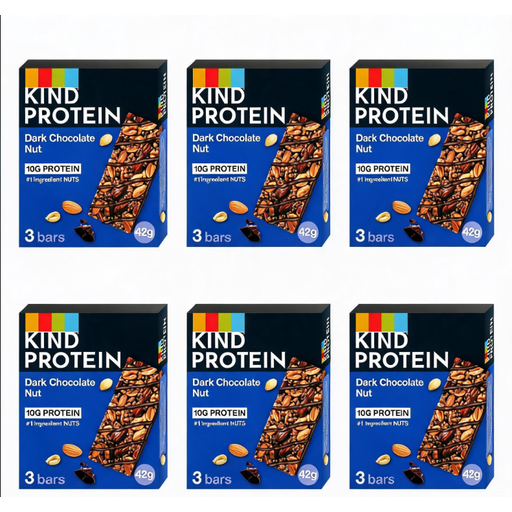 Image unavailable
A nut-bar pack for taking a portion to work. Check the pack arrangement and per-bar nutrition before comparing it with other multipacks; review the peanut, almond, soya and precautionary allergen information if relevant.
 Image unavailable
A larger multipack for keeping portions available for desk lunches. Compare this Cocoa Oat variety’s per-bar sugars alongside protein and fibre, and check its soya and may-contain statements.
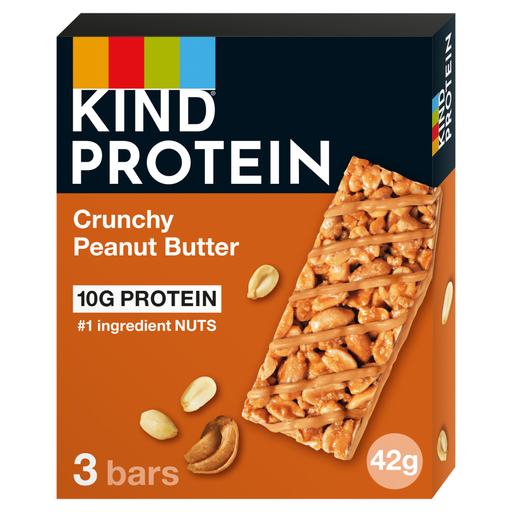 Image unavailable
A three-bar peanut-butter pack to compare by its 42g portions. Check the current peanut and soya information; if you require a gluten-free or vegan bar, confirm those requirements on this exact variety’s pack.
Treat it as a portable part of lunch rather than assuming one bar provides the variety of a meal. The UK government’s Eatwell Guide describes balance across food groups over a day or week, so consider what other food you will have alongside the bar.
Use the per-bar or sealed-serving figures to understand the portion you intend to eat, and per 100g figures when comparing products on an equal-weight basis. Check the serving definition: Nature Valley UK’s Crunchy Oats & Honey figures, for example, are for two bars.
Not on the basis of its oat content alone. Look for a gluten-free statement on the exact product if you require one; TREK labels Original Oat gluten-free, but that does not establish the status of another TREK flavour or a different oat bar.
Check the current ingredients, emphasised allergens and may-contain statements for every variety in the bag. Peanut, nut, milk, soya and gluten-containing ingredients or warnings differ between the bars discussed here, so one flavour’s label cannot stand in for another’s.
Check the specific variety before planning to buy it. Alpen’s support page lists several former bar varieties as no longer made; a current product listing and pack information are the practical checks for a different Alpen bar.