What should you compare?
Start with the amount your father would eat at once, then check the nutrition and ingredient information for that exact bar. The NHS explains the distinction between per-100g and per-portion values, while GOV.UK describes how traffic-light labelling can help compare nutrients where it appears.
| Priority | What to check | Your needs |
|---|
| Portion energy |
Compare kcal per whole bar, bar weight in grams and the per-100g panel. Confirm how many bars the labelled serving covers. |
I’m choosing a small, individually portioned snack, so the energy in the bar he would actually eat matters more than the pack’s wording. |
| Other nutrients |
Read sugars, saturated fat and salt per portion and per 100g. Use front-of-pack traffic lights where provided; GOV.UK says their colours indicate low, medium or high levels of the nutrients shown. |
Calories are not my only comparison: I also want to see what the portion contains. Tesco’s Eat Natural Apple listing, for example, gives 13.8g sugars for its 25g bar. |
| Ingredients and allergens |
Check the exact pack’s ingredient list, allergen declaration and any “may contain” warning. Do not treat vegan or gluten-free wording as a check for every other allergen. |
Before giving a food gift, I need to know whether its ingredients suit the recipient. The Eat Natural Apple bar contains almonds; the Special K Juicy Red Berry listing declares barley, milk, oats, wheat and soya. |
| Protein versus portion size |
Compare protein and kcal for the same whole bar, alongside its weight. TREK states 10g protein and 219 kcal per 50g Original Oat bar. |
He may prefer a larger protein flapjack, even though that is a different choice from a small bar bought mainly for its lower per-bar kcal figure. |
Brand and product-line references
These examples show why a brand name alone cannot settle a per-bar calorie or allergen comparison; check the particular line and variant.
Kellogg’s
The Special K Juicy Red Berry example is a small cereal bar, but its listed kcal figure differs between retailers.
- Asda lists 83 kcal per 21.5g bar.
- Sainsbury’s gives a different calorie figure for the same stated pack format. Check the current pack, including its barley, milk, oats, wheat and soya declaration.
Eat Natural
Its Apple Soft Fruit Bar is a fruit-and-nut option in a 25g portion.
- Tesco lists 86 kcal per bar and describes this variant as vegan and gluten-free.
- The bar contains almonds and has a listed 13.8g sugars per bar; its fruit-and-nut format does not answer a sugar or allergy question on its own.
TREK
Original Oat is a 50g protein flapjack for someone choosing a larger portion.
- TREK states 10g plant protein and 219 kcal per bar.
- It is not comparable to a small bar on kcal per portion alone; TREK also warns of possible peanuts, nuts and milk.
Nature Valley
The range includes oat, nut and protein-bar formats.
- Nature Valley lists about 10g protein and 197 kcal for its 40g Chocolate & Coffee protein bar.
- That protein-bar portion is a different calorie choice from the smaller bars above; check the exact variant’s ingredients.
Graze
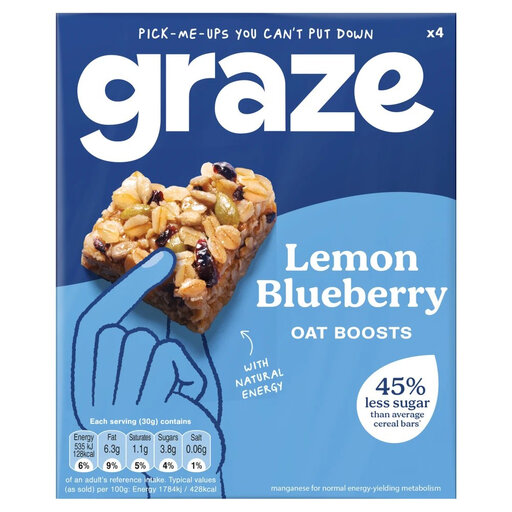
Lemon Blueberry Oat Boosts are an oat-based flapjack-style option.
- Tesco describes this variant as made with wholegrain oats.
- Check the current pack’s per-bar energy and allergens before comparing it with smaller cereal bars.
Alpen
Alpen Light is relevant to a small-bar comparison only when the exact variant can be identified.
- An older Tesco listing describes a Summer Fruits bar.
- Alpen’s FAQ says some Alpen Light variants are no longer made. Confirm the product and its current nutrition rather than relying on an older listing.
Cereal bars on Joybuy
These Joybuy options include smaller cereal-bar multipacks, a fruit-and-nut bar and oat-based bars. Compare the portion printed on each current pack before choosing one for a Father’s Day gift.
 No image available
Special K Red Berry Cereal Bar, 6 × 21.5g
The 21.5g bar format suits a gift intended as a smaller snack. Asda lists the corresponding Special K Juicy Red Berry bar at 83 kcal, but Sainsbury’s reports a different figure for the same stated pack format, so check the pack you buy. Check its declared barley, milk, oats, wheat and soya against the recipient’s requirements.
Joybuy
 No image available
Special K Dark Chocolate Snack, 6 × 21.5g
This chocolate variant has six 21.5g bars for comparing individual portions. Read its own kcal and sugar declarations rather than applying the Red Berry figures to a different flavour, and check the current allergen statement before gifting.
Joybuy
 No image available
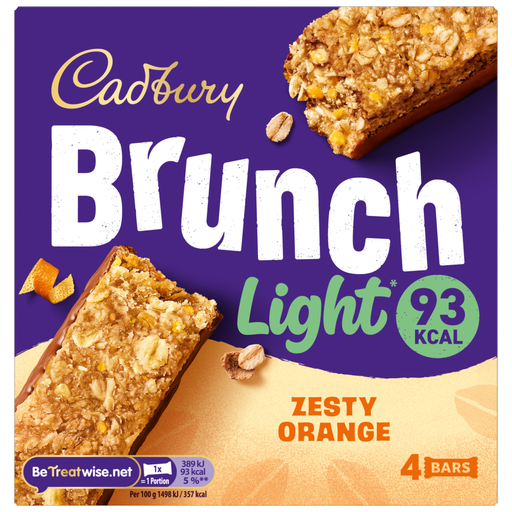
Cadbury Brunch Light Orange Cereal Bar, 4-pack, 104g
Consider this orange-flavoured cereal bar if the flavour suits the recipient. “Light” is part of the product name, not a substitute for checking kcal and sugars per bar. Check the pack’s gluten-containing cereals, milk, soya and precautionary nut wording.
Joybuy
 No image available
Nakd Blueberry Muffin Raw Fruit & Nut Bars, 4 × 35g
This 35g fruit-and-nut bar offers a different format from the smaller cereal bars. Compare its per-bar kcal and sugars on the current pack, and check its cashew and almond ingredients and other allergen warnings before buying it as a gift.
Joybuy
 No image available
Graze Oat Boosts Lemon Blueberry, 4 × 30g
Choose between this 30g oat-bar format and a smaller cereal bar by checking energy for the whole bar, not by comparing pack weights. Tesco describes Lemon Blueberry Oat Boosts as made with wholegrain oats; check the current pack’s nutrition and gluten, soya and precautionary allergen information.
Joybuy
Questions before you buy
How should I compare the calories in two cereal bars?
Start with kcal for the whole bar the recipient would eat, then compare bar weights and the per-100g panels. The NHS explains that nutrition information is supplied per 100g and sometimes per portion; a stated portion need not be the amount someone eats.
Should I look beyond calories when choosing a bar?
Yes. Check sugars, saturated fat and salt alongside the portion’s kcal, using the nutrition panel and any front-of-pack traffic lights. GOV.UK explains that traffic-light colours show low, medium or high levels for the nutrients displayed.
Is a gluten-free bar suitable for someone with other allergies?
Not necessarily: gluten-free wording does not cover every allergen. The Eat Natural Apple example contains almonds, and TREK says its gluten-free Original Oat bar may contain peanuts, nuts and milk. Read the exact current pack before gifting.
Would a protein flapjack suit someone seeking a smaller snack?
It suits a different priority if the recipient wants a larger protein bar. TREK states that Original Oat has 10g protein and 219 kcal per 50g bar; compare that whole portion with a smaller bar’s own weight, kcal and ingredients rather than assuming the products serve the same purpose.
What should I check on a packaged bar before giving it as a gift?
Read the current pack’s per-bar nutrition, ingredients, allergen declaration and any “may contain” wording, particularly if the recipient has dietary exclusions. Use the per-100g panel to compare different-sized bars as well.


