What should you check before packing them?
Start with the portion format and the people sharing the bag; use the nutrition panel to distinguish between bar types rather than relying on the category name.
| Priority | What to check | Your needs |
|---|
| Packable portions |
Check whether bars are individually wrapped, how many portions the pack contains and the weight of each bar. Look at the pack’s storage instructions before leaving. |
I want to take a few ready-to-eat portions out for the day without carrying the whole pack. |
| Bar format |
Compare the exact portions: Kellogg’s UK lists its Coco Pops Snack Bar at 20g, while Nature Valley UK lists its Protein Peanut & Chocolate bar at 40g. For an oat flapjack, check the particular flavour and pack size. |
A smaller cereal snack may suit one stop between meals; for another occasion, I may prefer a larger bar. Portion size alone does not tell me how the bars compare nutritionally. |
| Nutrition per bar |
Read protein, fibre, sugars and energy per serving, alongside serving weight. Nature Valley UK lists about 10g protein and 4g fibre per 40g Protein Peanut & Chocolate bar; Kellogg’s UK lists 1.1g protein per 20g Coco Pops Snack Bar. |
If protein or fibre is part of my buying decision, I need figures for the bar I will actually pack, not a claim about cereal bars generally. |
| Allergens and dietary labels |
Read the ingredients, declared allergens and any “may contain” statement for every flavour. Check vegan or gluten-free wording separately from other allergens. |
Before I put bars in a shared bag, I need to know which people can eat each exact product. |
| Current pack details |
Confirm the ingredients, nutrition declaration, best-before date and pack condition on the product you buy. Kellogg’s UK advises checking current packs because recipes can change. |
When a familiar bar is being packed for someone with a dietary restriction, I want to check this pack rather than rely on an older listing. |
Brand references for this choice
These examples illustrate different bar formats; a brand name alone does not establish the ingredients or suitability of a particular flavour.
Nature Valley
Nature Valley UK lists protein bars as well as cereal-bar multipacks.
- Its Protein Peanut & Chocolate bar is listed at 40g, with about 10g protein and 4g fibre per bar.
- That product contains peanuts, soya and milk and may contain tree nuts; check its current pack before sharing.
Alpen
Choose an Alpen bar by a specific current product listing and pack, rather than assuming its muesli products have the same portion format.
- A named bar listing lets you check the individual portion and ingredients needed for a day bag.
- Confirm the exact bar and pack details before treating Alpen as one of your grab-bag options.
Kellogg’s
Kellogg’s UK lists smaller cereal-and-milk snack bars, including Coco Pops Snack Bar.
- The listed Coco Pops Snack Bar is a 20g portion with 82 kcal and 1.1g protein.
- It contains barley, milk, soya and wheat. Kellogg’s advises checking the current pack because recipes can change.
Graze
Graze describes its Oat Boost range as wholegrain-oat flapjacks.
- The flapjack format offers another type of bar to compare with conventional cereal snacks.
- Check the selected flavour’s ingredients, allergens, dietary label and portion size rather than applying a range description to every pack.
Eat Natural
Eat Natural UK lists nut-based protein bars in single 40g portions.
- Its Peanut & Dark Chocolate Protein Bar lists 7.8g protein and 2.4g fibre per 40g bar.
- That bar contains peanuts and soya and may contain milk and tree nuts; its gluten-free label does not address those allergens.
TREK
TREK describes its Protein Flapjacks as plant-based bars and states that they contain 9g plant-based protein.
- A specific protein flapjack is an option to compare when a plant-based bar matters to your choice.
- Check the exact flavour’s ingredients, allergens and nutrition panel; a range-level statement cannot settle those details for every bar.
Joybuy bars to consider
These Joybuy options include nut-based protein bars and TREK flapjacks for a festival snack bag. Compare their pack sizes and current labels against the needs of everyone who will eat them.
 Image unavailable
Nature Valley Protein Salted Caramel Nut Bar, 4 x 40g
A four-bar nut-protein option to compare for individual festival snacks. Check the current pack’s allergen information before sharing, particularly where peanuts, soya, milk or almonds are a concern.
View on Joybuy
 Image unavailable
Nature Valley Protein Peanut & Chocolate Cereal Bars, 8 x 40g
An eight-bar pack to consider when planning portions across several festival days. Nature Valley UK lists about 10g protein and 4g fibre per 40g bar; the product contains peanuts, soya and milk and may contain tree nuts.
View on Joybuy
 Image unavailable
TREK Salted Caramel Protein Flapjacks, 3 x 50g
A three-pack for someone comparing a plant-based flapjack with nut-based bars. Check the exact pack for soya and any other relevant allergen information before sharing.
View on Joybuy
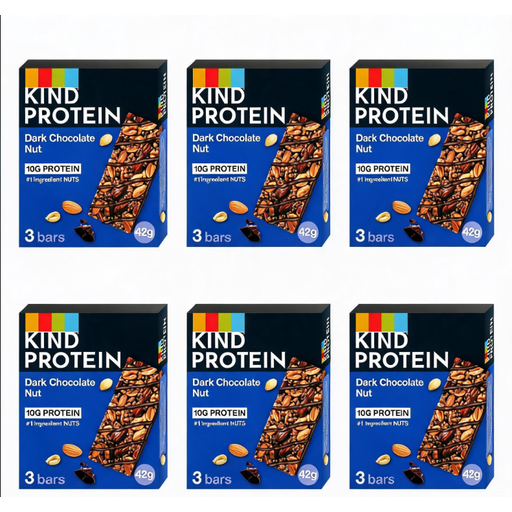 Image unavailable
KIND Protein Dark Chocolate Nut Bars, 3 x 42g x 6pcs
A nut-bar option for the protein-focused snack bag; check the listed pack configuration when deciding how many portions to take. Read the current label before sharing where peanuts, almonds, soya, milk or other nuts are a concern.
View on Joybuy
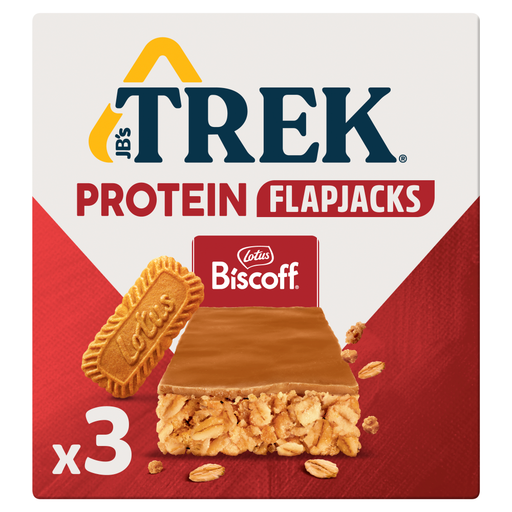 Image unavailable
TREK Biscoff Flapjack, 3 x 50g
A three-pack to compare with the Salted Caramel flapjacks if you prefer this flavour. This product is listed as containing wheat and soya; check its current ingredients and precautionary allergen statement before adding it to a shared bag.
View on Joybuy
Festival cereal bar questions
Are cereal bars practical to carry around a festival?
Yes, ready-to-eat individual portions can be carried in a day bag. The Camping and Caravanning Club suggests keeping granola or cereal bars handy while moving around a festival; check the particular pack’s condition, date and storage instructions before setting off.
Should I pack a protein bar or a smaller cereal snack?
Choose according to the portion and nutrition you want, not the category name alone. Nature Valley UK lists about 10g protein per 40g Protein Peanut & Chocolate bar, while Kellogg’s UK lists 1.1g per 20g Coco Pops Snack Bar; compare fibre, sugars, ingredients and allergens on the exact packs too.
Does vegan or gluten-free mean a bar suits everyone?
No. Those descriptions address different dietary requirements and do not replace an allergen check: Eat Natural UK’s gluten-free Peanut & Dark Chocolate Protein Bar, for example, contains peanuts and soya and may contain milk and tree nuts. Read the current pack for each person who may eat it.
What should I check before sharing cereal bars?
Check each flavour’s current ingredients, declared allergens and any “may contain” statement, and keep its wrapper available. UK government allergen guidance identifies cereals containing gluten, milk, peanuts, soya and tree nuts among the allergens that must be declared when present as ingredients in prepacked food.
Do cereal bars need a cooler at a festival?
Follow the storage instructions on each product you pack rather than assuming every bar has the same requirements. Check those instructions alongside the best-before date and pack condition before taking bars to the campsite.


