Shoppers managing a food allergy
Start with the allergen you avoid. Read the current ingredient list and assess any precautionary statement against your own allergy-management advice before choosing a bar.


Choose a cereal bar by checking the current pack against the specific allergen you need to avoid, including its ingredients and any precautionary statement. Compare fat per 100g and per bar only among products that meet those requirements: a lower fat figure, gluten-free label or vegan claim does not answer a separate allergy question.
Start with the allergen you avoid. Read the current ingredient list and assess any precautionary statement against your own allergy-management advice before choosing a bar.
Screen out products that do not meet your allergen requirements first. Then compare fat per 100g as well as the amount in the bar or portion you intend to eat.
Check each dietary claim separately from the full allergen information. The reviewed gluten-free and vegan examples still list ingredients or precautionary statements relevant to other allergies.
Use the allergen information to decide which bars remain options, then compare nutrition figures on the same basis.
| Priority | What to check | Your needs |
|---|---|---|
| Allergens and precautions | Read the current ingredients, highlighted allergens and any “may contain” statement. Check each against the allergen you avoid. | I need to know whether this particular bar meets my allergen requirements, including how I handle precautionary statements. |
| Fat comparison | Once the allergen check is complete, compare fat per 100g across bars and fat per bar for the portion you plan to eat. A nutrition claim is not an allergy claim. | Among bars I can consider, I want to compare fat without mistaking different bar sizes for a nutritional difference. |
| Dietary claims | Check what a gluten-free or vegan label says, then read the full ingredient and precautionary information for other allergens. | A gluten-free or vegan label matters to me, but I also need to check for my separate allergy. |
A bar with a lower fat or sugar figure can still list an ingredient you avoid. The two label checks answer different questions.
Check ingredients and precautions first; compare nutrition only among bars that meet your allergen requirements.
Nature Valley’s reviewed gluten-free Chocolate & Coffee Protein bar contains peanut, soya and milk. The reviewed vegan Eat Natural Apple Soft Fruit Bar carries precautionary statements for other allergens.
Read the dietary claim alongside the complete allergen information for the exact flavour.
A previous purchase or online listing may not reflect the ingredients and precautions on the pack you are about to use.
Check the current physical pack each time. If its label is missing, damaged or inconsistent with the information you relied on, do not consume the bar until you have clarified it.
The reviewed Eat Natural Apple bar has nut-related precautionary statements, as well as statements concerning milk, peanuts and soya.
If nuts are relevant to your allergy, check the named ingredients and every applicable precautionary statement rather than relying on the words “fruit bar”.
These examples show why the exact product and flavour matter more than a brand-wide assumption about allergens or fat.
Its crunchy bars and protein bars need separate checks: their ingredient and precautionary statements differ.
Nutri-Grain Apple is a softer breakfast-bar example to assess individually rather than as a substitute for an allergen check.
Honey Oat Boost is an oat-flapjack example, not a shortcut to a lower-fat or allergy-suitable choice.
Its reviewed Apple Soft Fruit Bar illustrates why a fruit-bar description does not settle a nut-allergy question.
Its plant-based bar range may be relevant when that dietary characteristic matters alongside an allergy check.
Check a specific current product rather than relying on the Alpen name or a remembered bar variety.
These listings include protein flapjacks, oat bars and chocolate snack bars. Check the current pack for your allergens before using its nutrition figures to compare options.
 No image available
If you are considering a flapjack, check the current pack’s ingredients and precautions before comparing its fat information.
Pack of three 50g bars.
 No image available
If oats or another ingredient are relevant to your allergy, check this flavour’s current label rather than relying on the protein-bar description.
Pack of three 50g bars.
 No image available
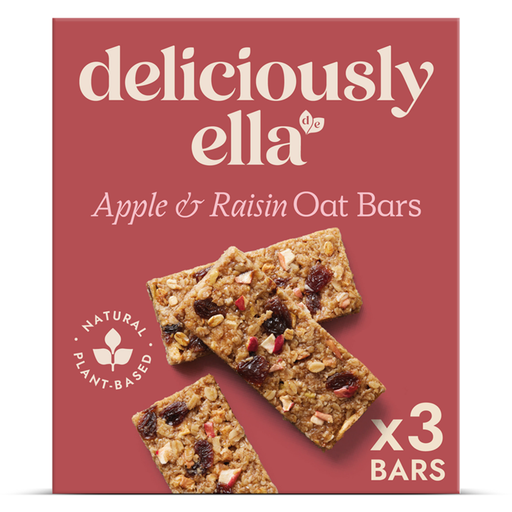
For this oat-bar flavour, read both the ingredient list and precautionary statements before deciding whether to compare its fat figure with other bars.
Pack of three 50g bars.
 No image available
If you avoid peanuts, do not treat this Peanut & Chocolate variety as an option. Check its current pack for the complete ingredient and precautionary information relevant to you.
Pack of eight 40g bars.
 No image available
Check this chocolate snack’s current allergen information first. If it meets your requirements, use both per-100g and per-bar figures for a fat comparison.
Pack of six 21.5g bars.
No. Fat describes nutrition, not whether the bar contains an allergen you avoid. Check the current ingredients and precautionary statement first, then compare fat among bars that meet your requirements.
Look for the specific allergen you need to avoid, rather than using one fixed list as a safety filter. The reviewed cereal-bar examples include products with cereals, milk, soya, peanuts or tree-nut information; check the exact bar’s current ingredients and precautions.
No. Those labels address particular dietary characteristics, not every other allergen. For example, Nature Valley’s reviewed gluten-free Chocolate & Coffee Protein bar contains peanut, soya and milk, so check the full label for your own allergy.
Yes. Check the current physical pack each time, including its ingredients and precautionary statements, rather than relying on a previous pack or an online listing.