What should you check before choosing?
Decide who will eat the food before comparing pack formats. For the baby, age, ingredients and preparation take precedence over the convenience of buying several bars at once.
| Priority |
What to check |
Your needs |
| Manageable food |
Check the stated age and whether the food can be prepared and served in a form the child can manage. GOV.UK early-years guidance notes that firm foods and small round foods present particular choking risks. |
I need food my baby can handle at their current stage, with an adult supervising while they eat. |
| Honey and sweet ingredients |
Read the exact ingredients for honey, sugar and syrups. NHS guidance says not to give honey until a child is over one year old and that babies do not need sugar or sweeteners. |
A multipack is only useful for the baby if its ingredients are appropriate for their age; I will not give a honey-containing bar before their first birthday. |
| Nuts and allergens |
Check the current pack for relevant allergens, including nuts, cereals containing gluten, milk and soya. The NHS says whole nuts should not be given to children under five because they can choke on them. |
For a child with an allergy plan, or food going to a childcare setting, I need to check the specific product rather than rely on its brand or a gluten-free or vegan label. |
| Pack format |
Check the number and size of packs and their intended eater. A family pack does not establish that its bars are appropriate weaning food; Nature Valley UK also advises checking current packs because recipes can change. |
I may want several portable snacks for an adult, while choosing the baby’s meals and snacks on their own merits. |
Which brands are relevant to the search?
These ranges illustrate why a familiar cereal-bar name is not an infant-feeding recommendation; check the individual product for the person who will eat it.
Nature Valley
Nature Valley UK lists family packs and oat-based cereal bars that may be relevant to an adult’s multipack search.
- Its Crunchy Oats & Honey range includes a family pack.
- Nature Valley UK identifies honey and oat gluten in that range; its Peanut & Chocolate protein bars contain peanuts and peanut butter. Check the exact pack before considering it for a child.
Kellogg's
Kellogg's UK lists cereal-and-milk snack bars among its portable cereal products.
- Its listed bars include several cereal-based flavours and formats.
- The Rice Krispies Snack Bar ingredient list includes sugar, wheat gluten, milk ingredients and soya lecithins. That recipe does not describe every Kellogg's bar, so check the product itself.
Graze
Graze Oat Boost flapjacks appear in four-bar packs, a format relevant to adult snack shopping.
- Listed flavours include Sticky Toffee, Honey and Peanut Butter.
- A flapjack’s oat content or multipack format does not establish infant suitability. Check its ingredients and texture for the intended eater.
Eat Natural
Eat Natural UK lists fruit-and-nut bars, including products labelled gluten-free or vegan.
- The range offers distinct fruit-and-nut combinations for shoppers comparing adult snacks.
- Its listed products include peanuts, tree nuts and honey. A gluten-free label alone does not address those ingredients or whether a bar’s texture suits a baby.
Trek
Trek presents protein bars and flapjacks as portable snacks.
- Trek states that its Cocoa Oat protein flapjack contains 9g of plant protein.
- A protein or vegan description is not guidance on a product’s suitability for baby-led weaning; assess the exact ingredients and texture separately.
Joybuy options for different ages
These options are age-labelled baby snacks and finger foods rather than conventional adult cereal-bar value packs. The list includes single packs, multipacks and a soft oaty bar labelled for children aged 12 months and over; a pack label does not replace checking the ingredients and how the child manages the food.
 No image available
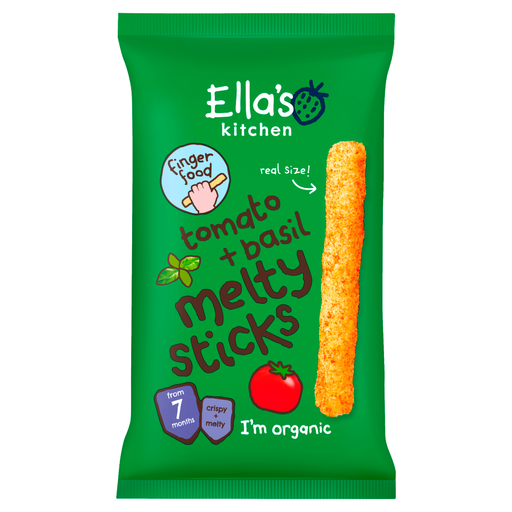
Ella's Kitchen Tomato & Basil Melty Sticks, 7+ months, 17g
For a baby at the labelled age, check the ingredients and whether they can manage this stick-shaped food. This is one 17g pack, not a multipack.
View on Joybuy
 No image available
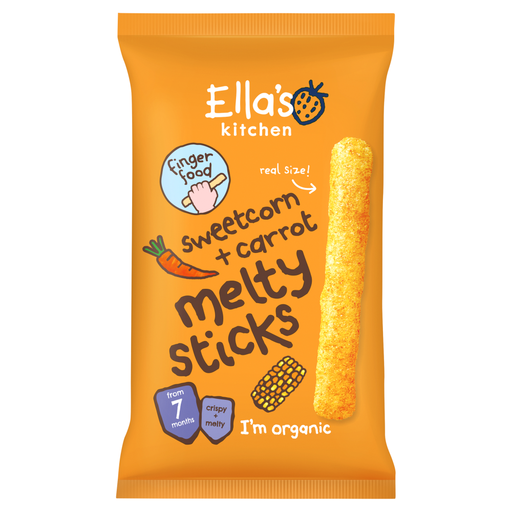
Ella's Kitchen Sweetcorn & Carrot Melty Sticks, 7 months, 16g
For baby-led-weaning shopping, compare the labelled age with the child’s stage and read the current ingredients. This is one 16g pack rather than a value pack.
View on Joybuy
 No image available
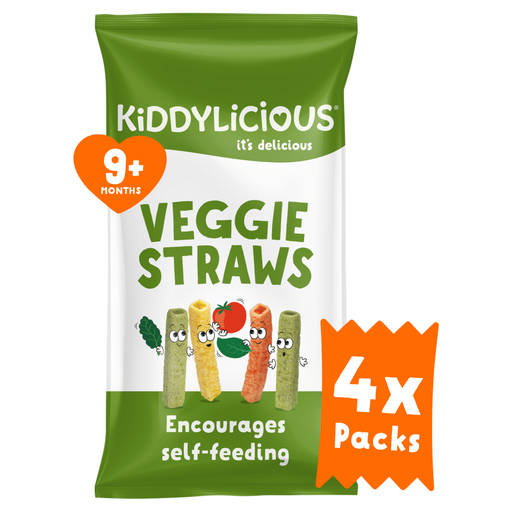
Kiddylicious Veggie Straws, 9+ months, 4 x 12g
This four-pack is labelled for ages 9 months and over, rather than the start of weaning at around six months. Check the current ingredients and whether the child can manage the straw format.
View on Joybuy
 No image available
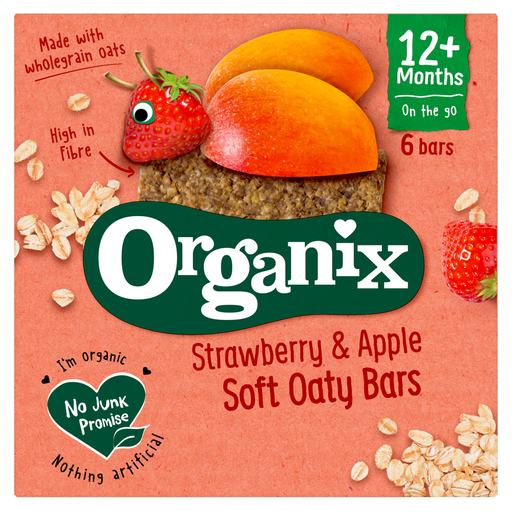
Organix Strawberry & Apple Soft Oaty Bars, 12+ months, 6 x 23g
This is a six-bar pack labelled for ages 12 months and over, not for a baby beginning weaning at around six months. Its soft oaty bar format does not remove the need to check the ingredients and supervise eating.
View on Joybuy
 No image available
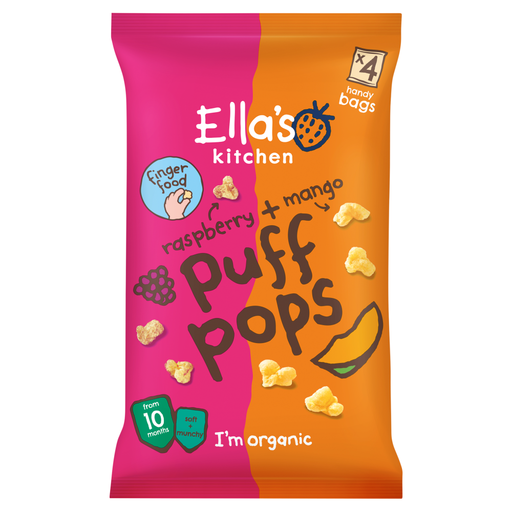
Ella's Kitchen Raspberry & Mango Puff Pops, 10+ months, 4 x 9g
This four-pack is a puff snack labelled for ages 10 months and over, not a cereal bar for early weaning. Check its ingredients and the child’s ability to handle the pieces before offering it.
View on Joybuy
Questions about bars and baby-led weaning
Can a baby starting baby-led weaning have a conventional cereal bar?
Do not use a conventional cereal bar as the default weaning food. Choose food prepared for the baby’s age and ability to manage it; check a particular product’s ingredients and texture rather than assuming its bar shape or pack size makes it suitable.
When does weaning usually start?
The NHS says introducing solid food usually starts at around six months, alongside the baby’s usual breast milk or infant formula. If prematurity or a health concern affects the decision, seek advice from an appropriate health professional.
Can a baby under one have a cereal bar containing honey?
No. NHS guidance says honey must not be given until a child is over one year old, so check the current ingredients even if the front of the pack emphasises oats or fruit.
Does gluten-free or vegan mean a bar suits baby-led weaning?
No. Those labels describe particular product characteristics, not whether a baby can manage the texture or whether other ingredients are appropriate. Check the exact pack for honey and relevant allergens, and follow NHS advice not to give whole nuts to children under five.
What should I check before packing a bar for nursery or school?
Read the current ingredients and allergen information on the exact pack, then follow the setting’s written food policy and any individual allergy plan. A brand name or a previous version of the wrapper is not a substitute for checking the food being packed.


