Commuters and office lunch-packers
If you put a bar in your bag, check how many bars are in each wrapper. A two-bar portion takes up a different place in your lunch plan from a single 30g or 37g bar, even when both come from multipacks.


For lunch on the go, start with the wrapped portion and its nutrition label rather than the flavour or total number of bars in the pack. Compare sugars, fibre and protein for the portion you would actually carry, then check the exact flavour’s ingredients and allergens. A cereal bar can be one part of a packed lunch without assuming it replaces everything else.
The useful pack format depends on whether you want one bar to carry, a choice of flavours at home or a particular nutrition or dietary label.
If you put a bar in your bag, check how many bars are in each wrapper. A two-bar portion takes up a different place in your lunch plan from a single 30g or 37g bar, even when both come from multipacks.
Compare the declared amounts for the portion you would eat. Oat, wholegrain and fruit-and-nut wording describes ingredients, not the full nutrition profile; the label also lets you check energy, fat and salt.
Look for the protein amount or dietary statement on the precise bar, then read its ingredients. A vegan or gluten-free description does not tell you whether a product meets a separate allergy requirement.
Decide what you intend to pack, then compare labels using that eating portion rather than the weight or bar count of the whole multipack.
| Priority | What to check | Your needs |
|---|---|---|
| Portable portion | Count the bars in each wrapper and check the stated serving weight. Nature Valley describes its Crunchy Variety Pack as 20 bars in ten two-bar portions. | I want to know whether I am putting one bar or a two-bar packet in my lunch bag. |
| Nutrition per portion | Compare energy, sugars, fat, saturates and salt for the stated serving; use traffic-light labelling where provided. A 42g Nature Valley two-bar portion lists 11.3g sugars, while Asda lists 3.1g for a 30g Graze Peanut Butter Oat Boost. | If I am choosing between different pack sizes, I want the figures to describe the amount I would actually eat. |
| Protein and fibre | Check grams per bar rather than relying on the product category. Tesco lists 12g plant protein for a 44g TREK High Protein Choc Caramel bar; Asda lists 4.6g fibre for a 30g Graze Peanut Butter Oat Boost. | Protein or fibre may be the feature I am comparing, but I still want to see the rest of each bar’s label. |
| Dietary suitability | Read the exact flavour’s ingredients, emphasised allergens and any precautionary wording. Check vegan or gluten-free statements on that product rather than applying them to every bar from the brand. | When an ingredient or dietary requirement matters to me, the precise pack matters more than a brand-wide description. |
Nature Valley’s Crunchy Variety Pack has 20 bars but ten two-bar portions. Its declared 196 kcal and 11.3g sugars refer to a 42g two-bar portion.
Check the number of bars per wrapper and the serving used on the nutrition panel before comparing packs.
Gluten-free, fruit-and-nut and protein descriptions answer different questions. Eat Natural lists 13.3g sugars for its cited 40g fruit-and-nut bar; the cited TREK protein bar’s label should also be checked for saturates and salt.
Use a claim to identify a product worth considering, then compare its full per-bar nutrition and ingredients.
The cited Graze Peanut Butter bar contains peanuts and soya, while Eat Natural’s cited gluten-free bar contains almonds. A dietary statement does not replace an allergen check.
Read the ingredients and precautionary allergen wording on the precise flavour and pack you plan to buy.
A single 30g bar and a 42g two-bar portion are different amounts of food. Neither the multipack size nor a protein claim tells you what else you intend to pack for lunch.
Decide whether the bar is a snack or one component of your lunch, then choose the portion and compare its label accordingly.
These examples show why the exact product line and flavour matter more than a general impression of a brand.
Its crunchy oat range includes variety packs intended for carrying or sharing.
Its Oat Boost range includes four-packs of 30g flapjack portions.
Nutri-Grain offers soft baked, fruit-filled cereal bars for shoppers who prefer that texture to a crunchy oat bar.
Its fruit-and-nut range includes bars with product-specific dietary statements.
TREK offers plant-based protein bars and flapjacks for shoppers comparing declared protein amounts.
Alpen’s current product pages focus on muesli rather than presenting a cereal-bar range.
These oat and nut bar multipacks offer different portion sizes and flavours to consider for a lunch bag. Compare each exact pack’s nutrition and allergen label against your needs.
 No image available
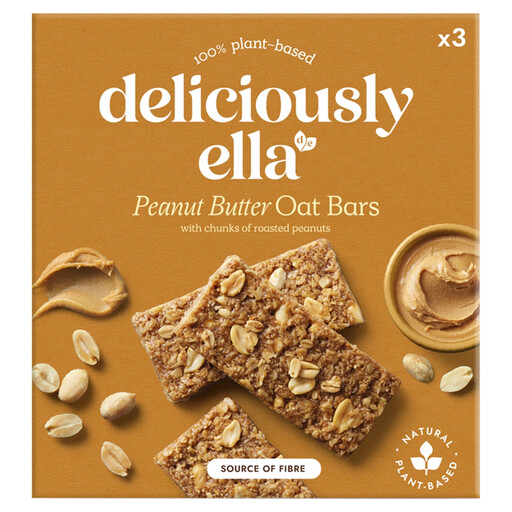
The three-pack gives you 50g bars to consider as separate packed-lunch portions. Check the exact pack’s gluten-free statement and allergen information, particularly if you need to avoid peanuts.
 No image available
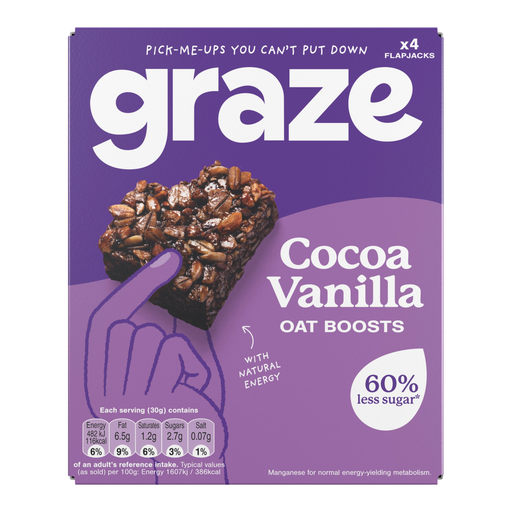
The four-pack offers 30g oat-square portions if you want to pack a smaller bar. Despite the product name, compare the declared protein per portion rather than assuming it matches another protein bar; check the exact pack for allergens and vegan labelling.
 No image available
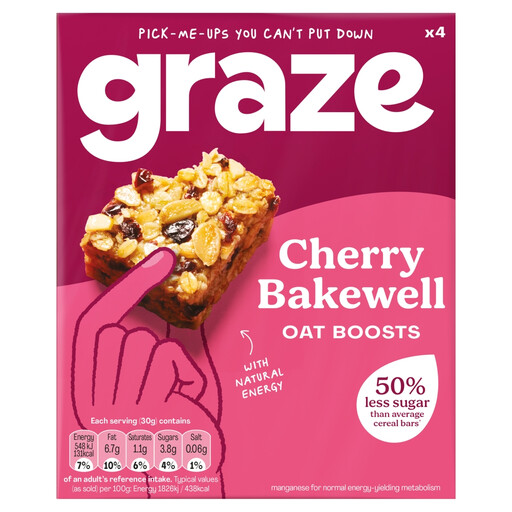
This four-pack provides 30g oat bars for packing one portion at a time. Compare the Cherry Bakewell label with other Oat Boost flavours rather than carrying over their sugar, fibre or allergen figures.
 No image available
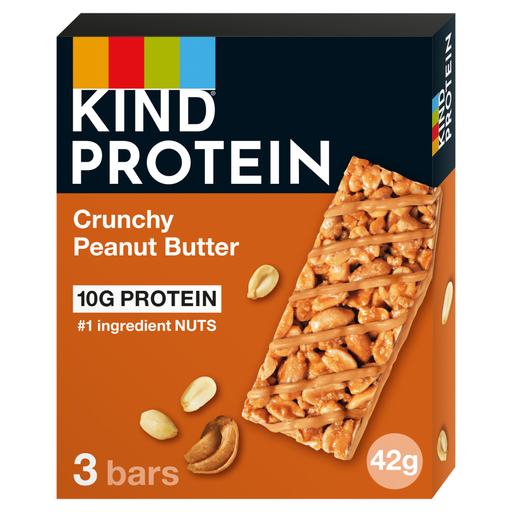
This three-pack is a crunchy peanut-butter option with 42g bars. If protein is your reason for considering it, compare the amount on its per-bar label alongside sugars and allergens.
 No image available
The four-pack contains 40g nut bars for a packed snack. Check this exact flavour’s protein amount, gluten-free statement and ingredients if any of those determine your choice.
Start with the stated serving: check whether it is one bar, two bars or another amount, then compare nutrition for that portion. Traffic-light labelling, where provided, shows the pack’s stated levels of fat, saturates, sugars and salt, but does not replace checking the serving size.
No. Oats and wholegrain describe ingredients, not a sugar comparison. Nature Valley lists 11.3g sugars for its cited two-bar oat portion, while Tesco lists 12g for a 37g Kellogg’s Nutri-Grain Strawberry bar; check the portion and label of the flavour you are considering.
No. Check the grams of protein per bar and the rest of its nutrition panel. Tesco lists 12g plant protein for the cited 44g TREK High Protein Choc Caramel bar; its other declared nutrients and ingredients still matter to the comparison.
Read the ingredients and allergen information on the exact pack, including any precautionary wording. Food Standards Agency guidance says allergens present in the ingredients of prepacked food must be emphasised; a gluten-free or vegan statement does not answer a separate allergy question.