Runners avoiding gluten
Check that the exact bar is labelled gluten free, then read its other allergen statements. Compare carbohydrate per portion too: a gluten-free claim tells you nothing about how the bar fits a long-run fuelling plan.


Choose a cereal bar by checking the allergens you need to avoid, then its carbohydrate per portion and how the portion fits your training routine. A gluten-free claim does not mean a bar is free from peanuts, tree nuts, milk or soya; nor does a protein-led bar provide a complete plan for fuelling a long run. Check the current pack and trial the bar and its timing during ordinary training.
Check that the exact bar is labelled gluten free, then read its other allergen statements. Compare carbohydrate per portion too: a gluten-free claim tells you nothing about how the bar fits a long-run fuelling plan.
Screen both ingredients and precautionary statements for the allergens you must avoid. The Nature Valley UK Protein Salted Caramel Nut bar, for example, is labelled gluten free but contains peanut, almond, milk and soya ingredients.
Compare the portion you would eat with your planned training routine, then trial that bar and timing on an ordinary run. The UK Sports Institute advises that what works before running differs between people.
Start with any essential allergen restrictions; then compare the portion you would eat and test when it works for you.
| Priority | What to check | Your needs |
|---|---|---|
| Gluten and allergens | Read the current pack’s gluten claim, named ingredients and ‘may contain’ statements. The Food Standards Agency states that a UK gluten-free claim means no more than 20 mg/kg gluten in the food as sold; it does not address other allergens. | “I need to avoid a named allergen, not just gluten.” A gluten-free bar may still contain peanuts, tree nuts, milk or soya. |
| Carbohydrate per portion | Compare carbohydrate for the amount you would actually eat, not just the bar’s name. Nature Valley UK lists 25.9 g carbohydrate per two-bar, 42 g serving of Crunchy Apple & Cinnamon; that product is not a gluten-free choice. | “I’m looking for a portable carbohydrate contribution to a longer run.” The UK Sports Institute says carbohydrate needs increase as exercise gets longer and harder; one bar should not be assumed to cover a whole session. |
| Portion and timing | Check serving size alongside fibre and fat, then trial the exact portion at the intended time. UK Sports Institute guidance describes eating one to three hours before running as common among athletes, while emphasising individual trial and error. | “A bar I enjoy as a snack might feel different close to a run.” I would test it during ordinary training rather than introduce it before a key session. |
| After-run snack | Compare both carbohydrate and protein per eaten portion, as well as the allergens. Consider what other suitable food follows the snack. | “I need something portable after a run before my next meal.” A protein-containing bar can serve as a snack, but its name alone does not establish that it covers the rest of my food plan. |
A gluten-free claim concerns gluten, not every ingredient. Nature Valley UK lists peanut, almond, milk and soya in its gluten-free Protein Salted Caramel Nut bar.
Start with the allergens you must avoid, then check the current pack’s ingredients and precautionary statements for each one.
Protein on the front of a wrapper does not tell you how much carbohydrate the portion contributes. The UK Sports Institute notes that carbohydrate needs rise with the duration and intensity of exercise.
Read carbohydrate per portion and assess where the bar fits within the food you have planned for that session.
Portion size, fibre, fat and timing are relevant when testing what you tolerate. The UK Sports Institute advises trial and error rather than assuming another runner’s routine will work for you.
Test the exact bar, portion and timing during ordinary training before relying on it for a long run or race.
A previous ingredient list may not describe the pack you receive, which matters when an allergen restriction determines your choice.
Check the physical pack’s ingredients, allergen declarations, precautionary wording and nutrition panel before eating.
A brand can sell bars with different ingredients and gluten statements, so make the decision at product and pack level.
Nature Valley UK’s Protein Salted Caramel Nut and Crunchy Apple & Cinnamon bars illustrate different choices; neither product’s details apply to the brand’s entire range.
The UK Coco Pops Snack Bar is an example of a portioned cereal bar, rather than a choice for the gluten or named-allergen restrictions discussed here.
Alpen’s own FAQ says its products contain gluten from wheat, barley or oats; an Alpen bar should not be chosen on the assumption that the brand is gluten free.
These oat bars and protein flapjacks offer portions to compare for portable training snacks and after-run use. Check each current pack’s gluten and allergen information and its nutrition per bar before deciding where it fits your routine.
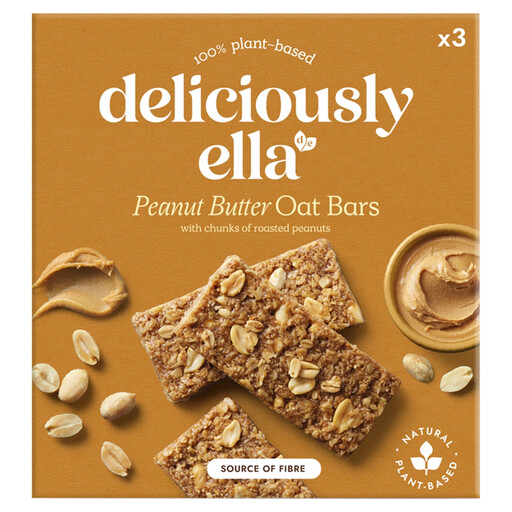 No image available
A 50 g oat bar to compare with other portable training snacks. If you need to avoid gluten or peanuts, check the current pack’s ingredients and allergen statements; compare carbohydrate per bar with the portion you plan to eat.
 No image available
A 50 g protein flapjack to consider as a portable snack after a run. Compare the pack’s carbohydrate and protein per flapjack, and check its gluten and other allergen statements against your restrictions.
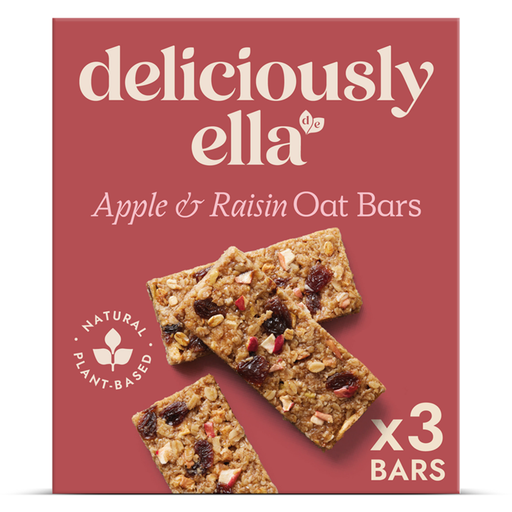 No image available
A 50 g fruit-and-oat bar for testing a portable snack during ordinary training. Check carbohydrate per bar, the current gluten and allergen declarations, and whether the portion and timing suit your routine.
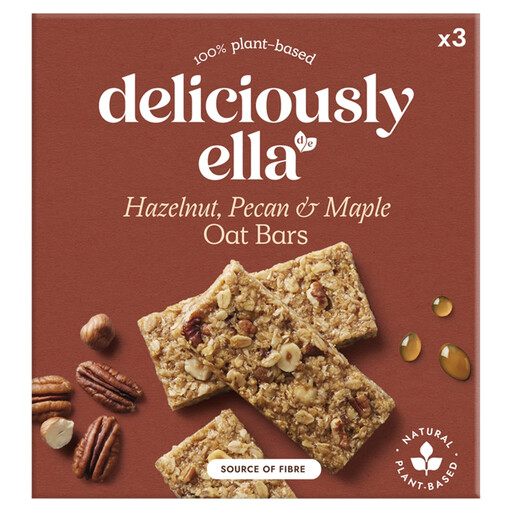 No image available
A 150 g multipack to compare if nut-based oat bars fit your food choices. Hazelnut and pecan are part of this product’s name, so check the full nut and other allergen declarations before considering it; use the pack’s per-bar nutrition for training comparisons.
 No image available
A 40 g protein bar to compare for a portable after-run snack. This is the Peanut & Chocolate variant, not Nature Valley’s separately described Salted Caramel Nut bar: check this pack’s own gluten and allergen statements and its carbohydrate and protein per bar.
No. The Food Standards Agency states that a UK gluten-free claim concerns gluten content of no more than 20 mg/kg in the food as sold. It does not establish that other allergens are absent: Nature Valley UK’s gluten-free Protein Salted Caramel Nut bar lists peanut, almond, milk and soya ingredients.
It warns that an allergen could be unintentionally present, rather than identifying an intended ingredient. Food Standards Agency-commissioned research describes this as precautionary allergen labelling. Check the current pack and follow your individual allergy-management advice if the named allergen is one you must avoid.
Test the exact bar, portion and timing during ordinary training, not for the first time before an important long run or race. The UK Sports Institute says many athletes eat one to three hours before running, but what works varies between people.
Do not assume so from the product name. Compare its carbohydrate and protein per portion with the food you plan to eat after that session; a bar may be a convenient snack before a meal without being the whole post-run food plan.
Yes. Check the pack you receive for its current ingredients, allergens, precautionary statements and nutrition values, particularly when an avoidance requirement determines whether you can eat it.