Runners packing for long training runs
Look at carbohydrate per bar and whether the wrapping and portion work for what you plan to carry. Try the bar while training rather than assuming one bar covers a whole run.


For a bar to pack before or during marathon training, compare carbohydrate, fat and fibre per bar, then try the exact product on a training run. Kellogg’s UK lists 25g carbohydrate, 3.1g fat and 1.4g fibre for its 37g Nutri-Grain Apple bar; Nature Valley UK lists 11g carbohydrate, 11.3g fat and 4.4g fibre for its 40g Protein Peanut & Chocolate bar, which fits a protein-led snack occasion rather than the same carbohydrate-led choice. The UK Sports Institute advises lower-fat, lower-fibre foods when minimising gastrointestinal distress around training matters.
Look at carbohydrate per bar and whether the wrapping and portion work for what you plan to carry. Try the bar while training rather than assuming one bar covers a whole run.
Compare fat and fibre as well as carbohydrate, and consider when you will eat the bar. The UK Sports Institute advises lower-fat, lower-fibre foods when minimising gastrointestinal distress around training is important.
A protein-and-nut bar may suit a between-meal or post-run snack instead of a carbohydrate-led running snack. Nature Valley UK lists 10.2g protein and 11g carbohydrate per 40g Protein Peanut & Chocolate bar; check its allergens before choosing it.
Start with the portion you would actually pack, then compare its nutrition and ingredients for the point in training when you intend to eat it.
| Priority | What to check | Your needs |
|---|---|---|
| Carbohydrate per bar | Compare carbohydrate per serving and the bar’s weight, rather than relying on a front-of-pack description. Kellogg’s UK lists 25g per 37g Nutri-Grain Apple bar and 18g per 25g Frosties Cereal Milk Bar. | I want to know what each bar contributes to the food I pack for a run. |
| Fat, fibre and timing | Read fat and fibre per bar, then try the portion at the intended time in training. The UK Sports Institute advises lower-fat, lower-fibre foods when gastrointestinal distress is a concern. | Before a run, I want a bar I know I can tolerate at that time. |
| Protein-led snacks | Compare protein alongside carbohydrate, fat and fibre. Nature Valley UK lists 10.2g protein, 11g carbohydrate, 11.3g fat and 4.4g fibre per 40g Protein Peanut & Chocolate bar. | For a snack after training or between meals, protein matters more to my choice than it does for the bar I pack to eat during a run. |
| Allergens and ingredients | Read the current pack’s ingredients, allergen declaration and any ‘may contain’ statement. A gluten-free label does not answer questions about peanuts, soya or milk. | I need to check whether this exact flavour and pack meet my dietary requirements. |
| Pack format | Check the number of bars, the weight of each portion and whether each is wrapped separately. | I want portions I can pack for the training sessions I have planned. |
Those words do not tell you the carbohydrate in one bar. Kellogg’s UK lists 25g carbohydrate for Nutri-Grain Apple, while Nature Valley UK lists 11g for Protein Peanut & Chocolate.
Compare carbohydrate, fat, fibre and protein per bar for the occasion when you plan to eat it.
Graze describes its Oat Boost flapjacks as high-fibre oat products. The UK Sports Institute advises lower-fibre foods when minimising gastrointestinal distress around training matters.
Try the exact product, portion and timing in training before packing it for a key session.
Nature Valley’s gluten-free-labelled Protein Peanut & Chocolate bar contains peanuts, soya and milk and may contain tree nuts. The Kellogg’s examples also have cereal, milk or soya allergens.
Check the current pack’s ingredient list and allergen declaration for every flavour you choose.
Alpen Muesli lists several former bar varieties as no longer being made.
Confirm the exact bar’s current availability and pack label before making it a regular part of your training bag.
Its UK nutrition information gives per-bar figures for both Nutri-Grain Apple and Frosties Cereal Milk Bar.
Protein Peanut & Chocolate is a specified 40g protein-and-nut bar to compare with carbohydrate-led cereal bars.
Graze describes its Oat Boost range as wholegrain-oat flapjacks.
Older Alpen bar names need a current-availability check before they go on a training shopping list.
These cereal-bar packs offer different portion sizes and formats to consider for a marathon-training grab bag. Compare each exact bar’s current label with when you intend to eat it.
 No image available
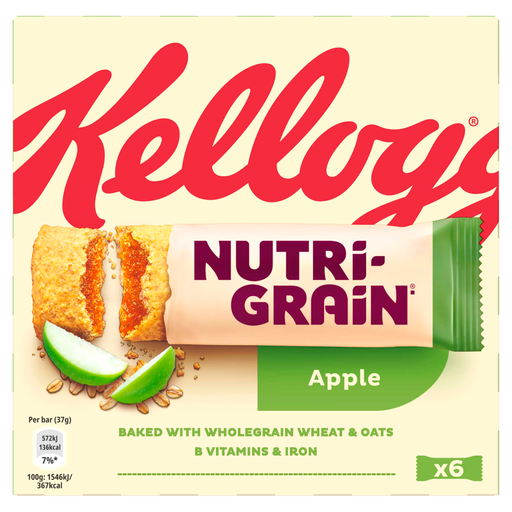
For a bar to pack before a run, check the current per-bar carbohydrate, fat and fibre figures and try it during training. Apple flavour; six bars, 222g total. Check the pack’s allergen declaration.
 No image available
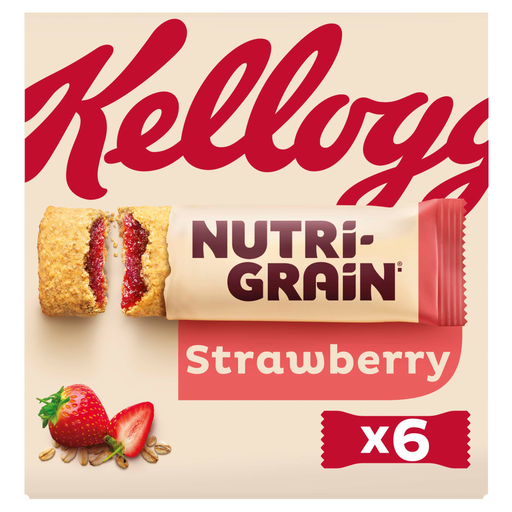
If you prefer a strawberry cereal bar in your training bag, compare its current per-bar nutrition with the portion you intend to pack. Six bars, 222g total. Read the pack’s ingredients and allergen declaration.
 No image available
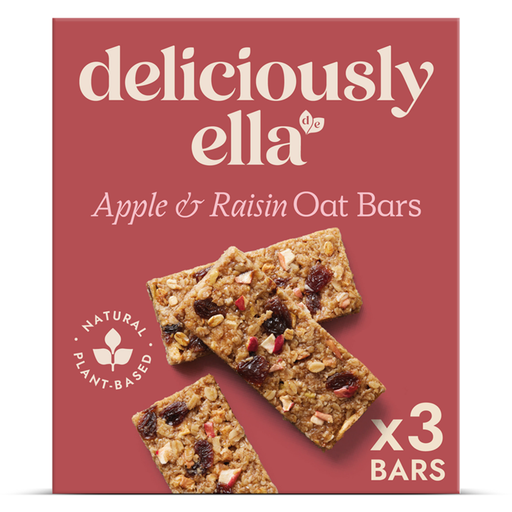
For an oat-bar option, check the fat and fibre per bar alongside carbohydrate before choosing when to eat it. This pack contains three 50g bars. Try the exact portion in training and check the current allergen declaration.
 No image available
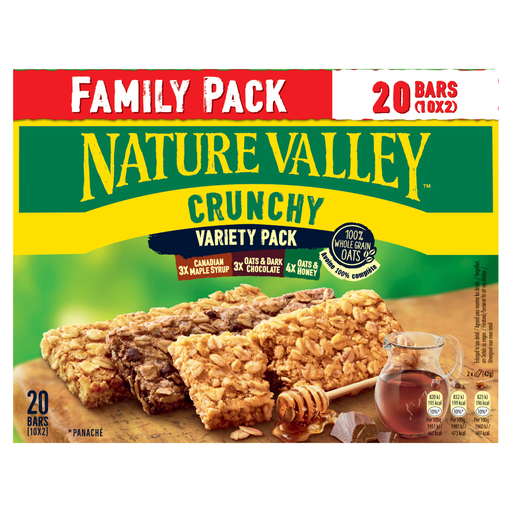
For a mixed training bag, check the nutrition and ingredients of the flavour you will take on each run. The variety pack contains ten 42g portions; do not assume every flavour has the same label.
 No image available
For a smaller bar to carry, compare carbohydrate per bar with the food you plan to pack for the session. This pack contains six 21.5g Red Berry bars. Check the current ingredients and allergen declaration.
Compare carbohydrate per bar before choosing it for that purpose. Nature Valley UK lists 11g carbohydrate and 10.2g protein per 40g Protein Peanut & Chocolate bar, while Kellogg’s UK lists 25g carbohydrate per 37g Nutri-Grain Apple bar. The Nature Valley bar may fit a protein-led snack after training or between meals instead.
Compare fat and fibre, then try the exact bar, portion and timing during training. The UK Sports Institute advises lower-fat, lower-fibre foods when minimising gastrointestinal distress around training is important; avoid making an untested bar part of a key session.
No. Check the exact pack: Nature Valley labels its Protein Peanut & Chocolate bar gluten free, while Kellogg’s Nutri-Grain Apple contains wheat, oats and barley, and its Frosties Cereal Milk Bar contains barley and may contain gluten from other cereals.
Read the current ingredient and allergen statement, including ‘may contain’ information, for each product and flavour. Nature Valley’s Protein Peanut & Chocolate bar, for example, contains peanuts, soya and milk and may contain tree nuts.
Check that exact flavour before adding it to a regular training bag. Alpen Muesli lists several former bar varieties as no longer being made, so confirm current availability and read the current pack label.