Desk snackers comparing portions
If you plan to eat one bar during the workday, the calories per bar are more immediately useful than the figure per 100g. Check whether a wrapper contains one bar or more than one.


For a single desk snack, compare the calories in the bar you will actually eat, then check sugars, saturated fat and allergens on the same pack. Kellogg's UK lists 82 kcal per 20g Coco Pops Snack Bar and 99 kcal per 25g Frosties Cereal Milk Bar; Waitrose lists 86 kcal per Eat Natural Soft Apple Fruit Bar. Those figures help compare portions, but they do not make any one bar the right choice for every office snack.
If you plan to eat one bar during the workday, the calories per bar are more immediately useful than the figure per 100g. Check whether a wrapper contains one bar or more than one.
If protein and fibre matter to your snack choice, compare their amounts per bar as well as calories. Check the ingredients if peanuts, soya or milk are relevant to you.
For a meeting room or shared snack drawer, keep the wrappers available so colleagues can check the ingredients and precautionary allergen statements for each flavour.
Start with the portion you expect to eat, then compare the other label details that matter to the people choosing from the pack.
| Priority | What to check | Your needs |
|---|---|---|
| Calories per bar | Find kcal for one bar or your intended portion. Check the bar size and whether the wrapper contains more than one bar; use per-100g figures for a standardised comparison. | I plan to eat one bar at my desk, so I want to compare the portion I will actually have. |
| Sugars and saturated fat | Compare sugars and saturates on the same serving basis as calories. Where present, use traffic-light labels to compare the stated categories at a glance. | A smaller calorie figure is not the only label detail I want to consider. |
| Allergens | Read the ingredients and highlighted allergens on the exact flavour. Check any “may contain” statement on the current pack. | If the bars are for colleagues as well as me, everyone needs access to the information for the bar they choose. |
| Protein and fibre | Compare protein and fibre per bar alongside bar size and calories. Nature Valley UK lists around 10g protein and 4g fibre per 40g Protein Peanut & Chocolate bar; its protein positioning alone does not establish a lower calorie count. | Protein or fibre may matter more to me than choosing the smallest-calorie bar, provided the ingredients suit me. |
Bars can differ in size, so the per-100g figure does not tell you how many calories are in the bar you intend to eat.
Check kcal per bar first, then use the per-100g declaration when comparing products on a standard weight basis.
Protein, fibre, sugar and calories describe different aspects of a bar. A claim about one does not establish the value of another.
Choose the measure that matters for this snack and read its value on the exact flavour's nutrition label.
Ingredients and precautionary statements can differ between bars and flavours. A vegan or gluten-free description does not answer every allergy question.
Keep the original packaging with shared bars and let each colleague check the current declaration.
Alpen Muesli lists several former bar varieties, including Alpen Light Bars Chocolate & Orange, as no longer made.
Confirm the exact product before buying a multipack, and use its current nutrition and allergen label rather than an older listing.
These examples illustrate different label checks; they do not establish that every bar from a brand has the same nutrition or ingredients.
Its UK pages give per-bar figures for two cereal-and-milk snack bars.
Its bars include fruit-and-nut formats, with declarations that vary by product.
Its Protein Peanut & Chocolate bar is an example to consider when protein and fibre are priorities.
Oat Boost is a flapjack-style option for shoppers interested in the brand's sugar comparison.
Older Alpen bar names can appear in shopping comparisons.
These cereal-bar packs offer different portion sizes to check for a single office snack. Compare each current pack's calories per bar, other nutrition information and allergens before choosing.
 No image available
The six-bar pack gives you a stated 21.5g size for each desk-snack portion. Check calories and allergens on the current wrapper before choosing it for yourself or a shared office.
 No image available
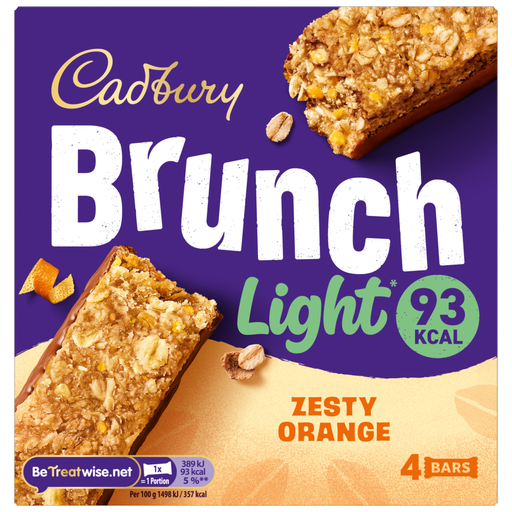
For an orange-flavoured bar at work, compare the calories for one bar rather than treating “Light” as a calorie figure. Check the current ingredients and allergen statement before sharing.
 No image available
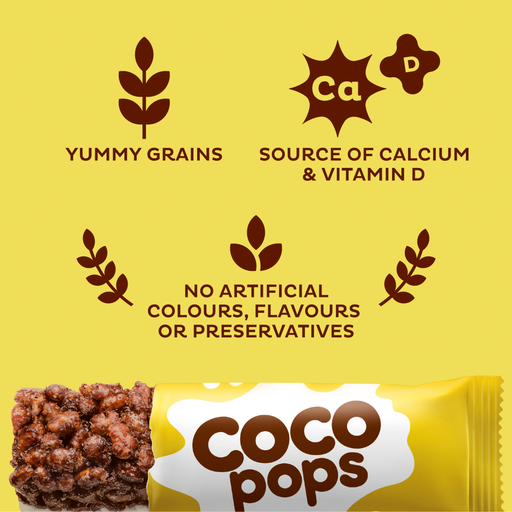
The four-pack states a 20g size for each bar, useful when planning one office-snack portion. Check this pack's own calorie, sugar and allergen declarations rather than assuming they match another Coco Pops bar.
Use calories per bar when one bar is the portion you plan to eat. The per-100g figure gives you a standard weight basis for comparing products, but bar sizes can differ; check the portion stated on each pack.
No: compare the stated sugars and saturated fat as well as calories for the portion you will eat. The Food Standards Agency describes traffic-light labelling as a way to compare these label details at a glance where it appears.
Check each exact product's ingredients, highlighted allergens and any precautionary statement, and leave its wrapper available to colleagues. For example, Nature Valley UK lists peanut, soya and milk ingredients for its Protein Peanut & Chocolate bar; a different bar or flavour needs its own check.
For food that falls within the prepacked-for-direct-sale category, the Food Standards Agency and Food Standards Scotland state that requirements in force since 1 October 2021 call for the food name, a full ingredients list and the 14 regulated allergens emphasised within it. If an office buys bars packed by the seller, check which type of packaging applies rather than assuming the rules for sealed manufacturer packs are identical.