Parents packing a lunch and a portable snack
A cereal bar may be convenient to pack, but it should not stand in for the main lunch item. NHS lunchbox guidance recommends basing that item on foods such as bread, rice, pasta or potatoes.


Compare calories and sugars for the portion you would actually pack, then check the bar’s size and allergen label. Among the manufacturer and retailer examples discussed here, Weetabix Cereals lists Alpen Light Summer Fruits at 65 kcal per 19g bar; that small portion is not suitable for people with a nut allergy. A bar can be a snack alongside lunch, rather than the main lunch item.
A cereal bar may be convenient to pack, but it should not stand in for the main lunch item. NHS lunchbox guidance recommends basing that item on foods such as bread, rice, pasta or potatoes.
Check the energy for one bar, not just words such as “oat” or “protein”. Weetabix Cereals lists 65 kcal for a 19g Alpen Light Summer Fruits bar, while Tesco lists 219 kcal for a 50g TREK Original Oat Protein Flapjack. Those are different-sized portions.
Read both the ingredients and any “may contain” statement on the current pack. The bars discussed here have different declarations involving nuts, milk, soya or gluten-containing cereals; a similar-looking flavour is not a substitute for checking the individual product.
Start with the portion you would pack, then compare its nutrition information and allergen label with what the rest of the lunch provides.
| Priority | What to check | Your needs |
|---|---|---|
| Portion size and energy | Read kcal per bar or stated serving and its weight. Use the per 100g figure when comparing bars of different sizes. | I want a small snack portion, but I also need to know whether a lower kcal figure mainly reflects a smaller bar. |
| Sugars and fibre | Compare grams of sugars and fibre for the same stated serving. Check these separately from words such as “protein” or “wholegrain”. | If I am choosing between two bars for lunch, I want to see what each actual portion contains, not judge it by the front of the pack. |
| Allergens | Check the current ingredients and any precautionary “may contain” wording against the child’s allergy requirements. | A bar needs to meet our allergen requirements before its calorie figure matters. |
| Place in the lunch | Decide whether the bar is a snack alongside a main item. NHS lunchbox guidance recommends basing the main item on starchy foods such as bread, rice, pasta or potatoes. | I am packing a whole lunch, not expecting one cereal bar to serve as the meal. |
The names do not tell you the energy in a portion. Weetabix Cereals lists Alpen Light Summer Fruits at 65 kcal per 19g bar; Tesco lists TREK Original Oat Protein Flapjack at 219 kcal per 50g bar.
Compare the stated serving and its sugars as well as its kcal before choosing a bar for the lunch.
A 19g bar and a 50g flapjack are different-sized snacks, so their per-bar figures do not describe equal amounts of food.
Read both the per-bar and per 100g information, then decide which portion size fits alongside the main lunch item.
Eat Natural lists peanuts as an ingredient in its Dark Chocolate & Peanut Protein Bar, while the TREK and Nature Valley examples carry precautionary information for nuts. The Food Standards Agency explains that “may contain” wording communicates possible unintended allergen presence.
Follow the child’s allergy plan and check the current pack for the exact product rather than relying on its name or an earlier purchase.
A snack-sized bar does not replace planning a main lunch item. NHS lunchbox guidance recommends a main item based on foods such as bread, rice, pasta or potatoes.
If packing a bar, consider it alongside the rest of the lunch rather than as the meal itself.
These figures describe the named examples, not every bar made by each brand. Compare the current pack when choosing a different flavour or portion.
Alpen Light Summer Fruits is a small-portion example: Weetabix Cereals lists one 19g bar at 65 kcal.
Kellogg's lists its Frosties Cereal Milk Bar at 99 kcal per bar.
Tesco lists Graze Cherry Bakewell Oat Boost at 131 kcal per 30g Boost.
Nature Valley states that its Crunchy Apple & Cinnamon bars have a two-bar, 42g serving containing 195 kcal.
Eat Natural lists its Dark Chocolate & Peanut Protein Bar at 220 kcal per 40g bar.
Tesco lists the TREK Original Oat Protein Flapjack at 219 kcal per 50g bar.
These listed cereal and oat-bar packs offer different flavours and portion formats for a school-holiday lunch. Check each current pack’s nutrition and allergen information before deciding which bar to pack.
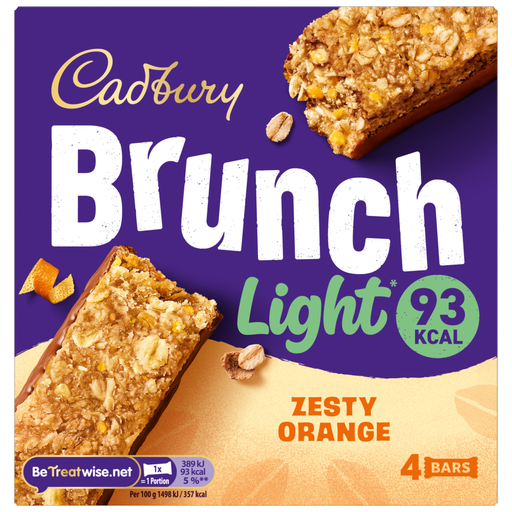 No image available
A four-bar pack to consider when packing individual snacks alongside lunch. Check kcal and sugars for one bar on the current pack; the word “Light” does not establish either figure.
If milk, soya or nuts affect the choice, check the ingredients and any “may contain” statement before packing one.
 No image available
The pack specifies six 21.5g snacks, a portion format to compare with other bars. Read the current per-bar kcal and sugars rather than assuming a smaller weight settles the nutrition comparison.
Check the pack’s cereal, milk and soya allergen information if any of these affect the lunch.
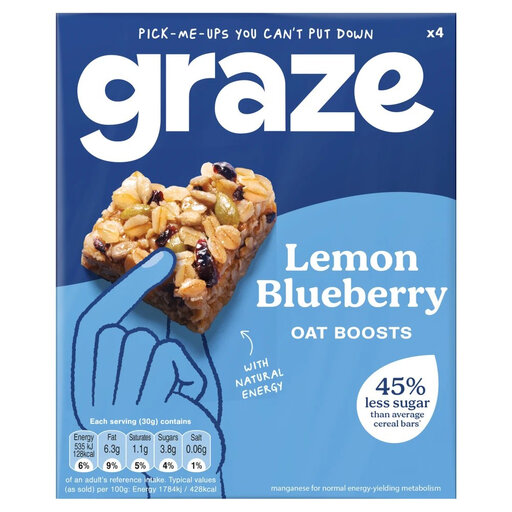 No image available
Each bar is listed as 30g, so compare its per-bar energy and sugars with smaller cereal-bar portions before choosing it for lunch.
Check the current ingredients and precautionary allergen wording if the lunch must avoid nuts or other allergens.
 No image available
This four-pack contains 30g bars. For this Cherry Bakewell variant, Tesco lists 131 kcal and 3.8g sugars per 30g Boost; check the current pack when comparing it with another flavour or portion.
Tesco’s ingredient listing includes almonds and soya, so check the individual pack against the child’s allergen requirements.
Treat a cereal bar as a snack, not the main lunch item. NHS lunchbox guidance recommends basing the main item on starchy foods such as bread, rice, pasta or potatoes, choosing wholegrain where possible.
No: portion weight and allergens still matter. Weetabix Cereals lists Alpen Light Summer Fruits at 65 kcal per 19g bar but states that it is not suitable for people with a nut allergy; compare its small portion with what you would actually pack.
Check both declared ingredients and any “may contain” statement on the current pack against the child’s allergy requirements. The Food Standards Agency explains that precautionary wording signals possible unintended allergen presence, rather than listing an intended ingredient.
Read the kcal and sugars for the stated bar or serving, then compare the per 100g figures if the bars differ in weight. UK Government nutrition-labelling guidance specifies per 100g information; the per-serving figure helps you assess the portion you intend to pack.