Families packing lunch each school day
Individually portioned bars can be planned across several lunches. Check how many portions the pack contains and whether the pupil will eat the available flavours.


Choose a larger cereal-bar multipack for regular packed lunches only if the pupil likes its flavours and the bars will be used before their best-before date. A smaller pack gives you a way to try a flavour or buy for less frequent use. Check the exact label and the school’s allergy policy before packing a bar, and consider it alongside the rest of the lunch.
Individually portioned bars can be planned across several lunches. Check how many portions the pack contains and whether the pupil will eat the available flavours.
A smaller multipack lets you check whether a flavour works for the pupil before making it a regular packed-lunch choice.
Check the current label for the exact flavour and pack, as well as the school’s instructions. The Department for Education says schools in England must publish an allergy safety policy.
Start with the number of bars you expect to pack, then check the exact product’s nutrition and allergen information before choosing a pack size.
| Priority | What to check | Your needs |
|---|---|---|
| Pack size | Check the number of portions, the weight of each bar and the best-before date. Consider how often a bar will go into the lunchbox. | Will I use a larger pack regularly, or would fewer bars be enough? |
| Flavour | Check whether the pack contains one flavour or a variety, and which flavours the pupil is willing to eat. | I’d rather try a smaller pack than leave unwanted bars from a larger one. |
| Nutrition | Read the exact bar’s per-serving information for sugars, saturated fat, energy and fibre. Use the portion size when comparing labels. | How does this bar fit with the other food packed for lunch? |
| Allergens and school policy | Read the current ingredients and precautionary allergen statements for the exact product. Check the individual school’s packed-lunch and allergy policies. | Before I pack a bar, I need to know whether its label and the school’s rules allow it. |
Words such as ‘oats’ or ‘protein’ describe particular ingredients or nutrients, not everything in the nutrition declaration. Action on Salt & Sugar’s 2025 UK retail audit found that snack bars varied in their traffic-light classifications for sugars and saturated fat.
Compare the exact product’s per-serving nutrition information and portion size, then consider the rest of the packed lunch.
Ingredients and precautionary statements differ between products. The Joybuy listing for Nature Valley Oats & Honey 5 x 42g, for example, lists oats and says it may contain tree nuts, peanuts, soya and wheat; that statement should not be applied to another pack.
Read the current label for the bar you intend to pack and check the school’s allergy policy.
Bars left uneaten do not help with a week of packed lunches, however many portions the box contains.
Check the flavours with the pupil or try a smaller suitable pack before making a larger pack a regular purchase.
Unused portions also mean more food waste.
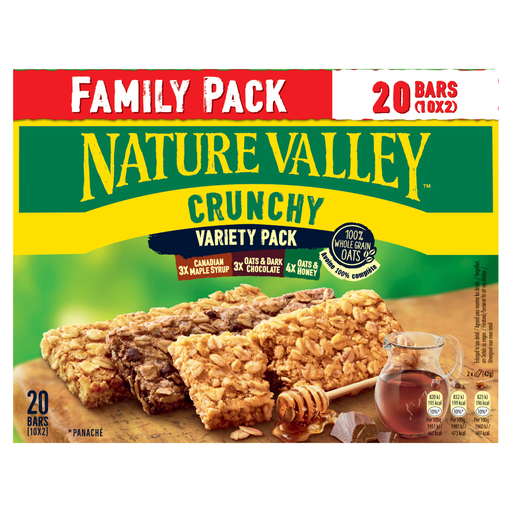
Tesco lists a 20-pack of Oats & Honey bars and a 10 x 42g Crunchy Family Variety pack.
Tesco lists Nutri-Grain Strawberry and Blueberry snack bars in 6 x 37g packs.
Tesco identifies Alpen Strawberry & Yoghurt cereal bars as a 5 x 29g pack.
Tesco lists Graze Oat Boosts as flapjack-style 4 x 30g multipacks.
Tesco identifies a 4 x 33g dark-chocolate multipack containing nuts, dried fruit and seeds.
Tesco describes TREK White Chocolate & Raspberry protein flapjacks as a 3 x 50g pack, with a stated 9g of plant-based protein per bar.
These multipacks offer different flavours and pack sizes to consider for secondary-school lunches. Check each product’s current label and your school’s policy before packing it.
 No image available
The 10 x 42g variety format offers different flavours for repeated packed lunches. Check which flavours are in the current pack and read its allergen label before packing.
 No image available
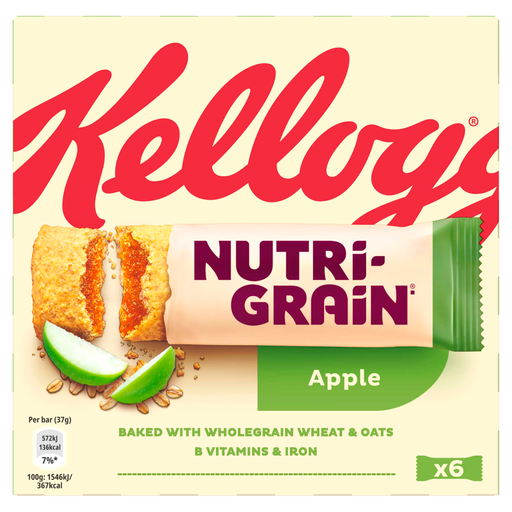
This six-bar apple pack offers fewer portions for a flavour trial or occasional packed lunches. Check the current ingredients and allergen statements for this pack.
 No image available
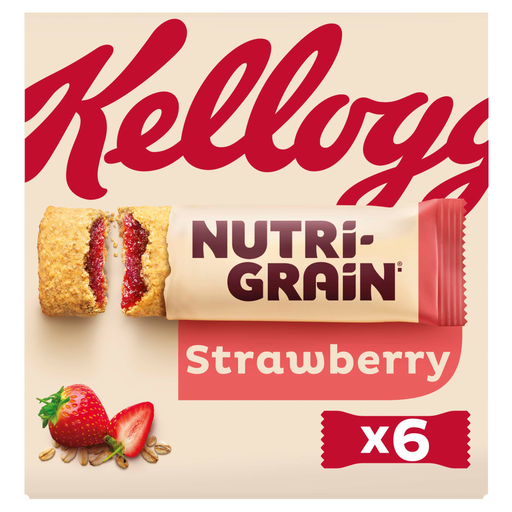
This six-bar strawberry pack is another smaller-format choice if the pupil prefers that flavour. Read its own label rather than relying on the ingredients of another Nutri Grain variant.
 No image available
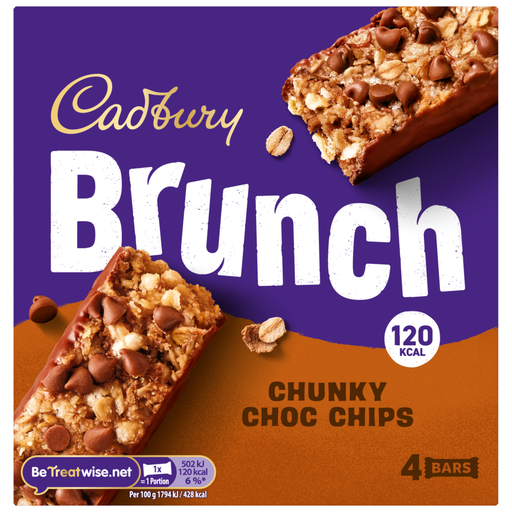
The four-bar chocolate-chip pack may suit occasional packing or a flavour trial. Check its nutrition declaration, allergen label and the school’s policy before choosing it.
 No image available
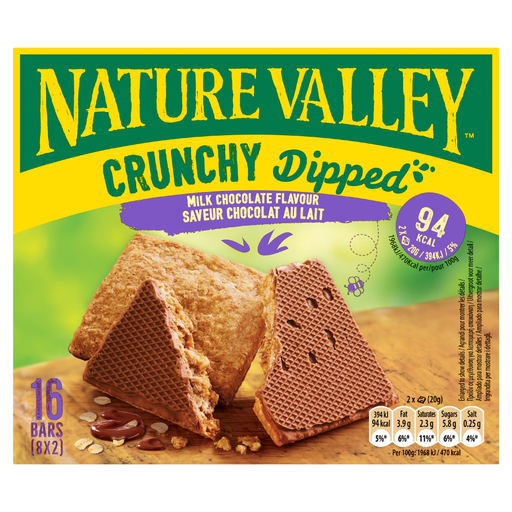
This 160g crunchy oat-bar product has a milk-chocolate coating for pupils who prefer that combination. Check the current pack for its portion count, nutrition information and allergens.
No. Choose a larger pack only if its flavours suit the pupil and you expect to use the bars before their best-before date. For a new flavour or less frequent packing, a smaller pack may be more practical.
Do not treat a cereal bar as a complete lunch. The Department for Education’s school-food guidance for England describes a balanced diet as including fruit and vegetables, starchy foods, protein foods and dairy or alternatives; consider the bar alongside the other food packed.
No. Ingredients and precautionary statements vary by product. For example, the Joybuy listing for Nature Valley Oats & Honey 5 x 42g lists oats and possible tree nuts, peanuts, soya and wheat. Read the current label for the exact flavour and pack you intend to buy.
Check the exact product label against the individual school’s current packed-lunch and allergy policies. The Department for Education says schools in England must publish an allergy safety policy, but the arrangements for a particular lunchbox need to be checked with that school.
No. Compare the whole label, portion size and allergens with the lunch you plan to pack. Tesco describes the TREK White Chocolate & Raspberry flapjack as containing 9g of plant-based protein per 50g bar and lists soya protein crispies among its ingredients.