What should you check?
Start with the school’s arrangements and the exact product label, then compare the portion and nutrition values for the amount that will go into the lunchbox.
| Priority | What to check | Your needs |
|---|
| Allergens and school arrangements |
Read both the named allergens and any “may contain” statement on the exact pack. Check the school’s current allergy arrangements; do not infer suitability from “oat”, “vegan” or a familiar brand. |
I need a bar that fits the child’s requirements and what the school permits in packed lunches. |
| Portion and pack format |
Check the weight of each bar and whether the stated serving is one bar or more. ASDA Groceries lists 10 portions in the Nature Valley Crunchy Variety Family Pack; the supplied product information describes each 42g portion as two bars. |
A small snack may be enough for this lunch; on another day, I may want to pack a larger bar. I want to know how much one wrapper contains before deciding. |
| Nutrition per bar |
Compare sugars, fibre, protein and energy for the amount actually packed, as well as any per 100g figures. Tesco Groceries lists 4.9g fibre and 3.3g sugars per 30g Graze Honey Oat Boost serving; those values belong to that product, not every Graze bar. |
If I am choosing between an oat snack and a protein bar, I want the values for the particular flavour and portion, rather than relying on the wording on the front of the pack. |
Brand and product-line references
These examples illustrate different formats and label checks; a brand’s other flavours or ranges may have different ingredients and portions.
Kellogg’s
ASDA Groceries lists Rice Krispies Breakfast Cereal Bars in a 4 × 20g pack, a format to consider when a small bar is wanted.
- The listed bar size makes the intended portion clear.
- That product contains barley, milk and soya and may contain cereals containing gluten, according to ASDA Groceries.
Graze
Tesco Groceries lists Honey Oat Boosts as 30g flapjacks in a four-pack.
- The listing gives 4.9g fibre and 3.3g sugars per 30g serving, making a per-bar comparison possible.
- Check the ingredients and allergen statement for the exact Graze flavour being packed.
Nature Valley
ASDA Groceries lists the Crunchy Variety Family Pack as 10 × 42g, with 10 stated portions.
- A variety pack lets families check several flavours within one named format.
- The stated 42g portion comprises two bars. ASDA Groceries says the pack contains oats and soya and may contain nuts, peanuts and wheat.
TREK
Ocado describes the cited TREK Protein Flapjacks Variety Pack as individually wrapped, vegan and gluten-free.
- TREK states that its Protein Flapjacks contain 9g plant protein per flapjack.
- Check each flavour in the particular variety pack for ingredients that matter to the child or school; a gluten-free claim does not answer other allergen questions.
Eat Natural
Tesco Groceries lists the Peanuts, Almonds & Salted Caramel bars as an individually wrapped 3 × 40g pack.
- The named pack format makes it straightforward to identify the bar being considered.
- Peanuts and almonds are part of this product’s identity; check the full label and school arrangements before packing it.
Cereal-bar options on Joybuy
These multipacks cover smaller oat bars, nut-based protein bars and other cereal-bar portions for a school packed lunch. Choose by the exact product and flavour rather than applying the brand examples above to a different bar.
 No image available
Graze Oat Boosts Cherry Bakewell 4 × 30g
The 30g bar format offers a defined oat-bar portion for a lunchbox. Check this Cherry Bakewell pack’s per-bar nutrition and allergen statement rather than applying figures from another Graze flavour.
View on Joybuy
 No image available
Nature Valley Protein Peanut & Chocolate Bar 4 × 40g
This 40g peanut-and-chocolate bar is a larger portion than a small cereal bar. Because peanuts are named in the product, check the child’s requirements, the full pack label and the school’s arrangements before considering it for lunch.
View on Joybuy
 No image available
Nature Valley Protein Salted Caramel Nut Bar 4 × 40g
The four-pack contains 40g nut bars for someone considering a larger snack portion. Confirm which nuts and other allergens appear on this flavour’s current label, and compare it with the school’s arrangements before packing.
View on Joybuy
 No image available
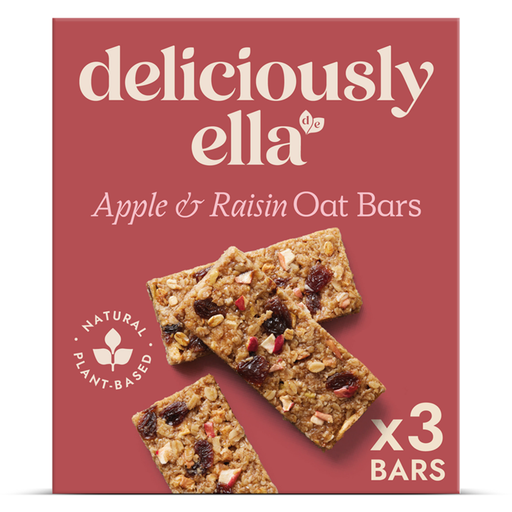
Deliciously Ella Apple, Raisin & Cinnamon Oat Bars 3 × 50g
Each named bar is 50g, so compare that portion with what you intend to pack alongside the rest of lunch. Check the exact oat-bar pack for its gluten claim and full allergen statement; the oat description alone does not settle either question.
View on Joybuy
 No image available
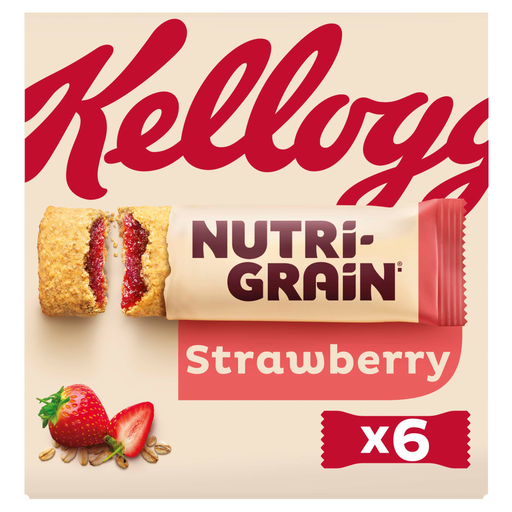
Kellogg’s Strawberry Nutri Grain Bars 6 Pack 222g
This six-pack offers a strawberry cereal-bar option for a packed lunch. Use its own serving information, nutrition panel and allergen statement: the Rice Krispies bar details elsewhere in this article describe a different Kellogg’s product.
View on Joybuy
Questions about school lunchboxes
Should I check the school’s arrangements before packing a cereal bar?
Yes, especially if an ingredient or precautionary allergen statement is relevant to the child or other pupils. The Department for Education’s guidance addresses allergy-safety arrangements in schools in England; check the individual school’s current policy and any arrangements for your child rather than assuming every school uses the same food list.
Does “gluten-free” mean a bar meets every allergen requirement?
No. A gluten-free claim concerns gluten, not peanuts, other nuts, milk or soya. The Food Standards Agency defines “gluten-free” as no more than 20 mg/kg gluten in the food as sold; read the exact bar’s full allergen statement and check the school’s arrangements separately.
Should I compare nutrition per 100g or per bar?
Use per-bar values to assess the amount you plan to pack, and per 100g values when comparing products on the same weight basis. The formats here differ: ASDA Groceries lists a 20g Kellogg’s bar, Tesco Groceries lists a 30g Graze flapjack, and its cited Eat Natural pack contains individually wrapped 40g bars.
Is a protein bar automatically a better school snack than a cereal bar?
No. Choose between them by the portion you want, the particular bar’s nutrition panel and whether its ingredients fit the child and school. For instance, Tesco Groceries lists peanuts and almonds in its individually wrapped Eat Natural 40g bar; a protein label does not override that allergen check.


