Families adding a portable snack
An inner packet can be convenient alongside a packed lunch, but it need not become the main item. NHS lunchbox guidance recommends basing that item on foods such as bread, rice, pasta or potatoes.


For a secondary-school packed lunch, choose a bar by its inner portion, the exact pack’s allergen statement and the school’s packed-lunch rules. A small cereal bar can serve as an extra snack, while a 30g or 50g flapjack is a different-sized portion that needs its own label comparison. NHS lunchbox guidance recommends making starchy foods the main lunchbox item and suggests swapping cereal bars for other snack choices.
An inner packet can be convenient alongside a packed lunch, but it need not become the main item. NHS lunchbox guidance recommends basing that item on foods such as bread, rice, pasta or potatoes.
Gluten and nut suitability differ between bars, including products from the same brand. Check the pupil’s requirements, the current wrapper and the school’s own packed-lunch policy.
A 30g flapjack or 50g bar offers a different portion from a small cereal bar. Compare the individual serving and its label with the rest of the lunch, and check that its allergens are permitted at school.
Start with the portion inside the grab bag, then read the nutrition and allergen information for that portion before checking the school’s rules.
| Priority | What to check | Your needs |
|---|---|---|
| Inner portion | Read the bar weight, serving statement and number of bars in each inner packet. Nature Valley lists two Crunchy Oats & Honey bars as one 42g serving. | One packet should match the snack I intend to pack; a two-bar packet is not the same format as one separately wrapped bar. |
| Place in the lunch | Compare sugars, fibre or protein per bar alongside its weight; use per 100g figures when comparing different portion sizes. NHS guidance recommends a starchy main lunchbox item and suggests swapping cereal bars for other snacks. | I’m choosing an extra snack, not relying on a bar to stand in for lunch. |
| Allergens | Read the exact flavour’s ingredients, highlighted allergens and ‘may contain’ statement. A gluten-free label does not answer whether a bar contains nuts, milk or soya. | Before packing it, I need to know whether this particular bar meets the pupil’s requirements and the school’s restrictions. |
| School rules | Check the current school website, parent handbook or direct communication before buying a multipack. Department for Education guidance on school food in England concerns food provided in state-funded schools; Brighton & Hove City Council’s packed-lunch guidance addresses policies developed by individual schools. | I want to know whether this school restricts nuts, particular snacks or packaging before choosing a grab bag. |
Nature Valley lists its Crunchy Oats & Honey serving as two bars weighing 42g. By contrast, the cited Graze Peanut Butter Oat Boosts pack contains four 30g flapjacks. The outer pack count alone does not describe the portion going into a lunchbox.
Read both the serving statement and the inner-wrapper format, then decide how much to pack.
A gluten-free bar can still have other relevant allergens. TREK describes Original Oat as gluten-free, while its product information also identifies soya and precautionary statements for peanuts, nuts and milk.
Check the complete ingredient and allergen statement for the exact flavour and pack against the pupil’s needs and school rules.
NHS lunchbox guidance recommends a main item based on foods such as bread, rice, pasta or potatoes and suggests swapping cereal bars for other snack options.
Plan the main lunch first. If a bar has a practical role as an extra snack, compare its individual portion with the rest of what is packed.
Department for Education school-food guidance for England addresses food provided in state-funded schools. Brighton & Hove City Council’s packed-lunch guidance describes policies developed by individual schools, so school-provided-food guidance does not settle what a pupil may bring from home.
Check the school’s current packed-lunch and allergen instructions before buying a large multipack, particularly one containing nuts.
These examples illustrate formats and label checks; a brand name alone does not establish that every flavour has the same ingredients or allergens.
Its Crunchy Oats & Honey bars and Protein bars need separate portion and dietary checks.
For an Alpen bar, base the packed-lunch decision on an identifiable current product rather than a familiar brand name or older listing.
Special K Red Berry is an example of a smaller cereal-bar portion to compare with larger flapjacks.
Oat Boost multipacks provide a flapjack format; ingredients vary by flavour.
Fruit-and-nut and protein bars call for a close look at their specific nut ingredients.
Original Oat illustrates a larger protein-bar portion with a gluten-free label.
These multipacks include oat flapjacks, protein bars and fruit-and-nut bars for different snack portions. Check the inner wrapping and the exact pack’s allergen information before choosing one for school.
 No image available
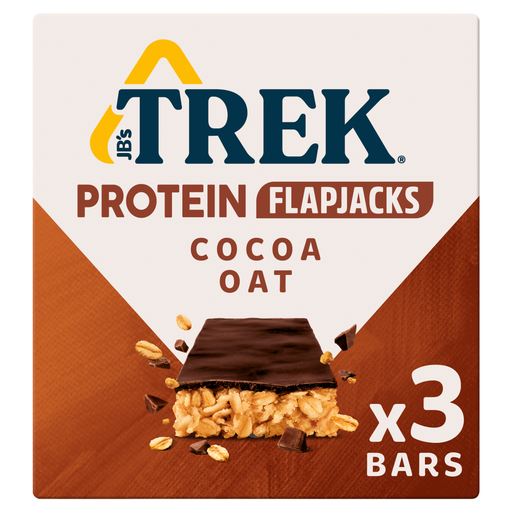
The 50g bar is a larger snack portion to consider alongside the rest of the packed lunch. This is a pack of three; check the individual wrapper and full allergen statement, including soya, against the pupil’s needs and school rules.
 No image available
This four-pack offers 30g oat-flapjack portions rather than a 50g bar. Check the exact Lemon Blueberry wrapper for its ingredients, gluten information and precautionary allergen statements; another Graze flavour’s label is not a substitute.
 No image available
The eight-pack has 40g bars, between the 30g flapjack and 50g flapjack portions shown here. Nature Valley identifies Protein Peanut & Chocolate as gluten-free, but its peanut ingredients still need checking against the pupil’s requirements and the school’s nut rules.
 No image available
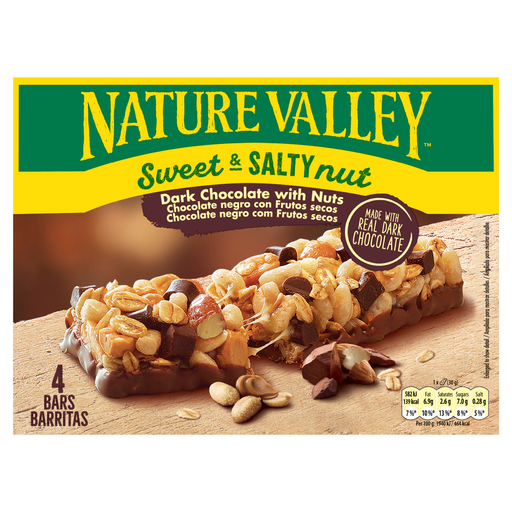
The four-pack’s 30g bar size may suit a smaller extra snack. Because this is a nut bar, check the exact ingredients and precautionary statements before packing it for a school with nut restrictions.
 No image available
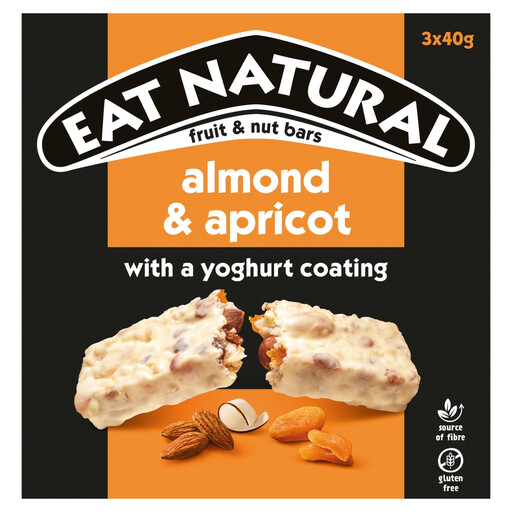
This fruit-and-nut option comes as a three-pack weighing 120g in total. Confirm the individual portion and wrapping, then check the label for almonds, milk and any precautionary allergen statements before considering it for school.
Check the individual school’s current packed-lunch policy before packing one. Department for Education guidance on school food in England concerns food provided in state-funded schools, while Brighton & Hove City Council’s guidance addresses packed-lunch policies developed by schools; neither tells you what a particular school permits in a lunch brought from home.
A bar is better considered, if chosen, as an extra snack rather than the main lunchbox item. NHS lunchbox guidance recommends basing the main item on foods such as bread, rice, pasta or potatoes and suggests swapping cereal bars for other snack choices.
No: oats in a product name do not establish its gluten status. Nature Valley says its Crunchy Oats & Honey bars are not suitable for a gluten-free diet, whereas TREK labels Original Oat gluten-free. Read the current label for the exact bar.
No. Nature Valley identifies its Protein Peanut & Chocolate bar as gluten-free, but it is a peanut product. Check nut ingredients, ‘may contain’ statements and the school’s policy separately from the gluten-free claim.
Read the serving size, ingredients, highlighted allergens, ‘may contain’ statements and best-before date on the current pack. Check that the inner portion suits the intended snack and that the product meets the school’s instructions; do not rely on another flavour’s label.