For a toddler aged at least 1, an individually wrapped cereal bar can be a convenient occasional snack, but it need not become the everyday choice: Childsmile, NHS Scotland, identifies cereal bars as a potential source of hidden sugars and advises limiting sugar-containing snacks and offering them at mealtimes. Before buying a multipack, compare sugars per bar, read the current ingredients and allergen information, and check the nursery or childminder’s food policy.
Who is this for?
Parents choosing a portable toddler snack
An individually portioned bar may be useful when packing food for a journey or a busy day. For routine snacks, consider simple alternatives such as fruit, vegetables or toast rather than relying on a sweet packaged option.
Families packing for nursery or a childminder
The pack label is only part of the decision. The NHS advises checking the setting’s food policy: some nurseries, for example, do not permit peanuts or nuts.
Families managing an allergy or gluten restriction
Check the exact flavour and current pack, including any ‘may contain’ statement. Ingredients and warnings differ between cereal bars, even when the packs look similar.
What should you check before buying?
Start with the child and where the snack will be eaten, then compare the portion and label. A convenient wrapper does not settle whether its contents suit either one.
| Priority | What to check | Your needs |
|---|
| Snack routine |
Consider whether a bar is needed for this occasion. Childsmile, NHS Scotland, advises limiting sugar-containing snacks and offering them at mealtimes. |
For an ordinary snack at home, I could offer a simple food instead; a wrapped bar is more useful when I need something portable. |
| Sugars and portion |
Read the sugars figure per bar as well as per 100g, and check the bar’s weight. Look beyond front-of-pack descriptions to the ingredients. |
I want to know what is in the portion I would actually pack, rather than judge it by a ‘fruit’, ‘wholegrain’ or ‘protein’ claim. |
| Allergens |
Read the current ingredients, allergen declaration and ‘may contain’ wording for the exact flavour. Recheck when changing products or pack sizes. |
If my child has a dietary restriction, I need the label for this bar—not an assumption about the brand or another flavour. |
| Childcare rules |
Ask the nursery or childminder about its current food policy before packing a bar. The NHS notes that some nurseries may be peanut or nut free. |
A snack that works at home still needs to meet the setting’s rules; I also need staff to know about my child’s food allergy. |
| Age and texture |
Check any age wording on the pack and assess the bar’s texture and inclusions for the individual child. An adult protein or fibre claim is not a toddler age label. |
For a younger toddler, I want to look closely at firm pieces or nut inclusions rather than choose on portability alone. |
What is easy to overlook?
-
Assuming front-of-pack wording tells you the sugar content
‘Fruit’, ‘wholegrain’ and ‘protein’ describe aspects of a bar, not its sugars per portion. Childsmile, NHS Scotland, includes cereal bars among foods that can contain hidden sugars.
Compare the sugars declaration for the actual bar and read the ingredients before deciding how it fits into snack time.
-
Using one flavour’s allergen label for the whole range
Recipes differ: Kellogg’s UK lists barley, oats, milk, soya and wheat for its Special K Red Berry Bar, while Nature Valley lists peanut, soya and milk for its Protein Peanut & Chocolate bar, with a possible tree-nut warning.
Read the current label and ‘may contain’ statement whenever you switch flavour or multipack.
-
Buying a nursery snack before checking the rules
The NHS notes that some nurseries may be peanut or nut free. A child’s ability to eat a bar at home does not establish that it can be packed for their setting.
Ask the nursery or childminder about its current policy before buying a grab bag for that purpose.
-
Choosing an adult-oriented bar for its protein or fibre claim
Those claims do not establish that the portion, ingredients or texture suit a toddler. Nature Valley’s Protein Peanut & Chocolate bar, for example, is a 40g product containing peanut, soya and milk and carrying a possible tree-nut warning.
Check the whole pack against the child’s age, dietary needs and the place where the bar will be eaten, rather than relying on one highlighted nutrient.
Which brand details are relevant?
These examples show why the exact product matters more than the brand name; they do not describe every bar made by each company.
Nature Valley
Its Protein Peanut & Chocolate Big Pack contains eight 40g bars and is positioned by Nature Valley as an on-the-go protein snack, not specifically as toddler food.
- Nature Valley lists around 10g protein and 4g fibre per bar for this particular product.
- The product contains peanut, soya and milk and may contain tree nuts. Check those details against the current pack and any childcare rules.
Kellogg’s
Kellogg’s UK publishes ingredients and per-bar nutrition for products including Rice Krispies Snack Bars and Special K Red Berry Bars.
- Kellogg’s UK lists 5.8g sugars per 20g Rice Krispies Snack Bar and 7.6g sugars per 27g Special K Red Berry Bar; the portions are different sizes.
- The listed Special K bar contains barley, oats, milk, soya and wheat. Kellogg’s advises checking the pack because recipes can change.
Alpen
Alpen’s current product information is more useful here as a reminder to confirm the exact bar than as a basis for choosing a grab bag.
- Alpen’s own FAQ identifies several former bar products that it says are no longer made, helping distinguish an older product name from a current pack.
- Alpen says its products contain gluten from wheat, barley or oats and notes that some are made where peanuts and nuts are used. Check any specific pack before considering it for a dietary restriction.
Joybuy cereal-bar options
These are multipack bar options for occasional portable toddler snack time. The Organix packs carry a 12+ months age description; the other bars should not be treated as toddler-specific on the strength of their multipack format.
 No image available
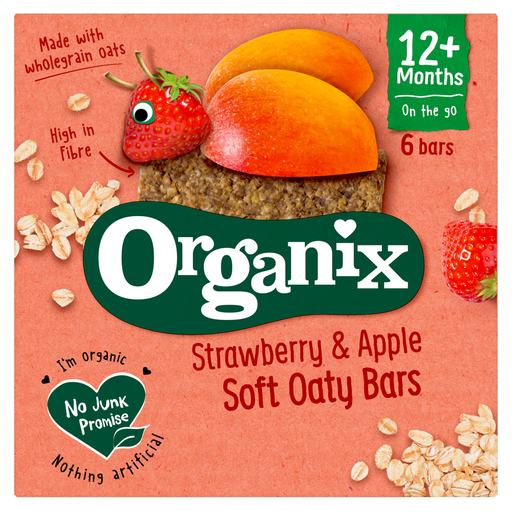
Organix Strawberry & Apple Soft Oaty Bars, 12+ Months, 6 x 23g
The 12+ months description and six 23g bars make this a relevant pack to consider for an occasional portable snack. Check the current pack’s sugars, oat and gluten information, and any allergen warnings before packing one for nursery.
View on Joybuy
 No image available
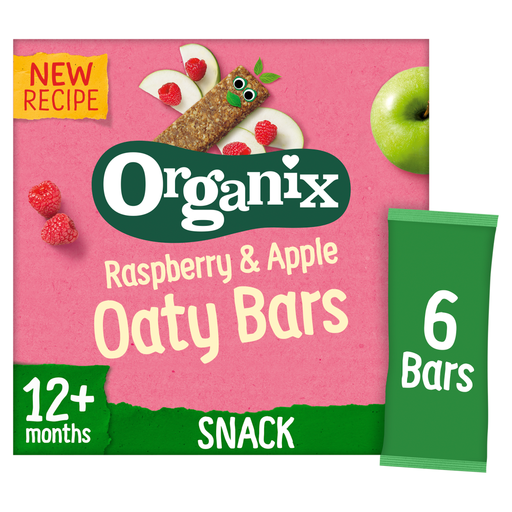
Organix Raspberry & Apple Soft Oaty Bars, 12+ Months, 6 x 23g
This is another 12+ months multipack for a portable snack, with a different fruit flavour. Read its own sugars declaration and full allergen information, including any ‘may contain’ statement, rather than relying on the Strawberry & Apple pack.
View on Joybuy
 No image available
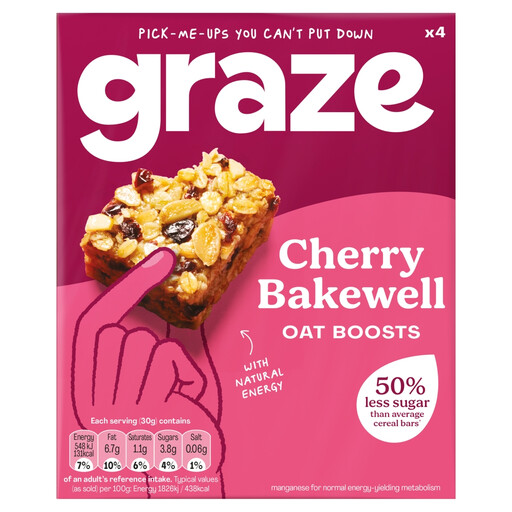
Graze Oat Boosts Cherry Bakewell, 4 x 30g
These 30g oat bars are a general snack option rather than one labelled for toddlers. Check the pack for almond pieces, oat and gluten information, and other allergen warnings; consider the texture for the individual child and confirm the setting’s nut policy.
View on Joybuy
 No image available
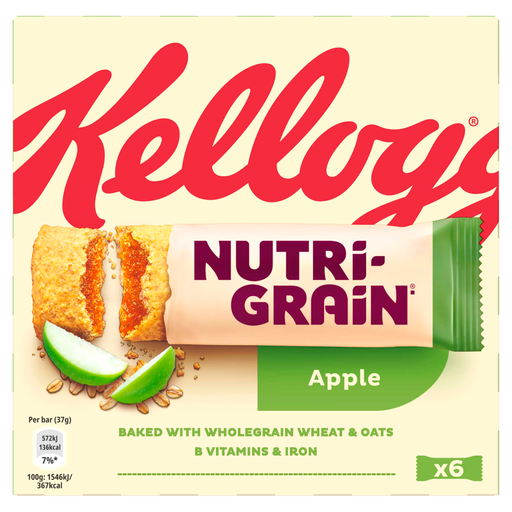
Kellogg’s Nutri Grain Fruity Breakfast Bars Apple, 6 Pack, 222g
This apple-flavoured family multipack is not labelled here as a toddler product. Compare the current pack’s sugars per bar with other options, and read its wheat, oat, milk, soya and possible nut information before considering it for a child or nursery bag.
View on Joybuy
 No image available
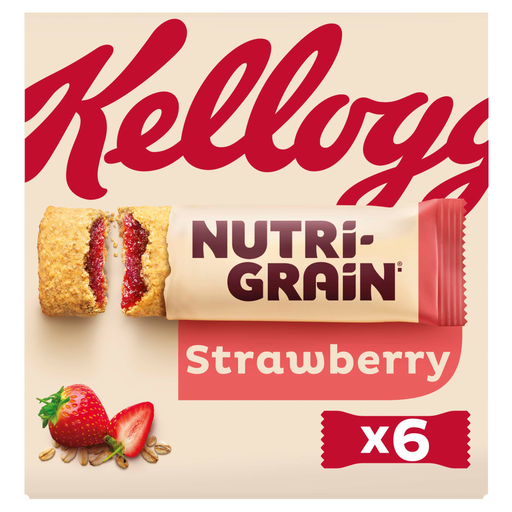
Kellogg’s Strawberry Nutri Grain Bars, 6 Pack, 222g
The strawberry flavour is a separate choice from the apple pack, not an interchangeable allergen label. Check its sugars per bar and current wheat, soya, milk and possible tree-nut warnings against the child’s needs and childcare rules.
View on Joybuy
Frequently asked questions
Can a child under 1 have a cereal bar as a snack?
The NHS says children under 1 should not be given snacks. For a baby under 12 months, use age-appropriate feeding guidance rather than a toddler cereal-bar multipack.
Should cereal bars be an everyday toddler snack?
Treat a bar as an occasional convenience choice rather than the default. Childsmile, NHS Scotland, identifies cereal bars as a potential source of hidden sugars and advises limiting sugar-containing snacks and offering them at mealtimes; simple foods such as fruit, vegetables or toast offer other snack options.
Does a high-fibre or protein claim mean a bar suits toddlers?
No: the claim alone does not answer whether the portion, ingredients, allergens or texture suit the child. Read the whole label and consider how the bar would be used rather than selecting it for one highlighted nutrient.
Can I pack a bar containing peanuts or nuts for nursery?
Ask the nursery or childminder first. The NHS notes that some nurseries may be peanut or nut free and advises telling the setting if your child has a food allergy; this is not a rule that every nursery has the same restrictions.
Do I need to check a familiar bar’s ingredients again?
Yes, particularly when allergens matter or you change flavour or pack size. Kellogg’s UK advises checking the current pack because its recipes can change, so an earlier purchase is not a substitute for today’s label.


