
24/7 Customer Support

Free returns

Same-day & Next-day Delivery

Quality Guaranteed

Unlock Your Welcome Offers: FREE Delivery | Up to 80% OFF | Free 30-day JoyPlus trial
Download the APP
Cereal bars can be useful for rushed breakfasts, lunchboxes, commuting and outdoor activities. However, attractive front-of-pack wording does not always tell you whether a product suits your routine. A bar described as “wholesome” may still contain considerable sugar, while a protein bar may be high in fat and energy as well as protein.
This guide from the Joybuy Product Recommendation Officer focuses on the details that matter when comparing cereal bars, oat bars, protein bars and other on-the-go snacks available to UK shoppers.
Wholegrain oats and wheat can contribute fibre, but they do not automatically make a bar low in sugar. Nature Valley Crunchy Dipped Milk Chocolate, for example, lists wholegrain oat flakes and wheat flour, while its nutrition information shows 28.8g of sugars per 100g. Chocolate coatings, syrups, honey, dried fruit and sugar can all increase the total.
Check the per-bar figures, not only the per-100g panel. A 30g bar and a 50g flapjack will have very different calorie and sugar totals even when their per-100g values look similar.
Protein bars often contain nuts, oils, syrups or chocolate coatings. Nature Valley Protein Salted Caramel Nut Bar provides 10.4g of protein and 202kcal per 40g bar, but also contains 12.2g of fat. KIND Protein Crunchy Peanut Butter provides 8.4g of protein and 199kcal per 42g bar.
These may suit a substantial snack around exercise, work or travel, but they are not automatically interchangeable with lighter breakfast bars.
Many cereal bars contain or may contain milk, soya, peanuts, tree nuts, wheat, barley or oats. A product can be vegetarian without being vegan, and “gluten-free oats” do not mean every ingredient or manufacturing environment is free from possible cross-contact.
Always read the current packaging, particularly when buying for children or anyone with an allergy. Product recipes and allergen statements can change.
Use the traffic-light panel and nutrition table to compare:
For context, Graze Oat Boosts Lemon Blueberry lists 135kcal, 4.5g sugar and 3g fibre per 30g bar, while Trek Cocoa Oat Protein Flap Jacks lists 227kcal, 14g sugar and 9g protein per 50g bar. The latter is a larger, more substantial snack rather than a like-for-like alternative.
Ingredients are listed by weight, so look at the first few entries. Wholegrain oats, nuts or fruit near the beginning may indicate their role in the recipe, but you should still check sugar, syrups and coatings further down the list.
For example, Deliciously Ella Apple, Raisin & Cinnamon Oat Bars contain 44% gluten-free oats, 8% raisins and 5% dried apple pieces. KIND Protein Crunchy Peanut Butter contains peanuts and soya protein isolate among its main ingredients, making the allergen panel particularly important.
Individually wrapped cereal bar multipacks are practical for desks, school bags, travel and days out. Check:
Soft toddler bars, chewy flapjacks and crunchy oat biscuits serve different purposes. A product that travels well in a handbag may not be suitable for a young child who needs close supervision while eating.
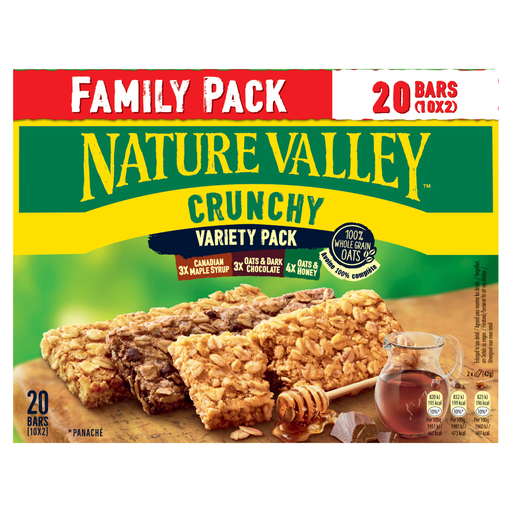
Why This Fits Their Persona: A ten-bar assortment gives households several flavours for lunchboxes, office drawers and weekend trips without committing to one variety.
The variety format makes flavour preferences easier to test, while the per-42g nutrition information helps shoppers assess the serving size.
Includes Canadian Maple Syrup, Oats & Dark Chocolate and Oats & Honey flavours; individually portioned 42g bars.
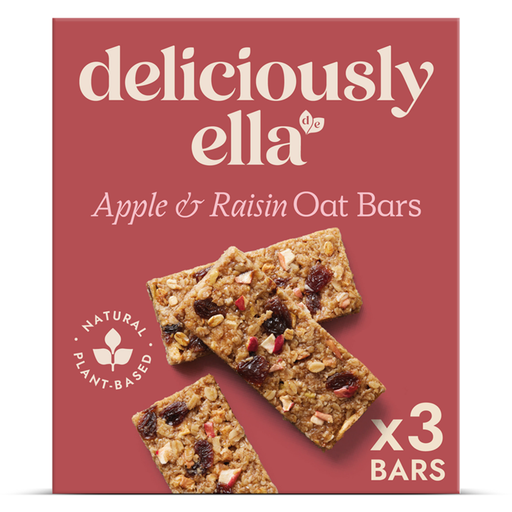
Why This Fits Their Persona: A plant-based and gluten-free option for shoppers who prioritise a short, recognisable ingredient list and a soft, baked texture.
Its gluten-free oats and vegan positioning are clearly stated, but shoppers should still review the “may contain” information for milk, nuts and soya.
Contains 44% gluten-free oats; each 50g bar provides 4.9g fibre per 100g and has apple, raisin and cinnamon flavouring.

Why This Fits Their Persona: The 16-bar multipack suits regular gym-goers, walkers, commuters and households that want a larger supply of plant-based protein snacks.
The nutrition panel makes the serving size and protein quantity clear, helping prevent comparisons based only on a large front-of-pack protein claim.
Vegan and made with gluten-free oats; each 50g bar provides 9g protein, 227kcal and 2g fibre.
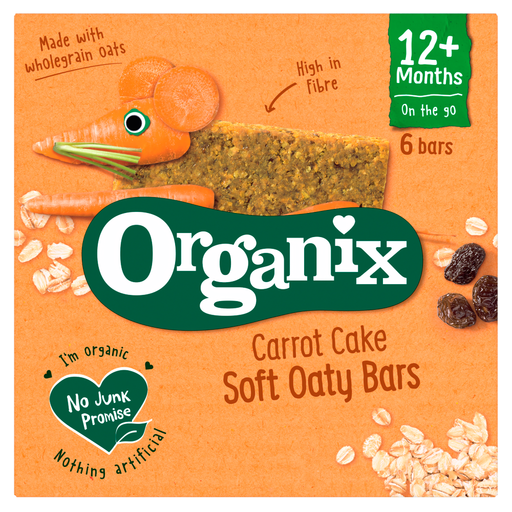
Why This Fits Their Persona: Individually wrapped soft bars are designed for children aged 12 months and over, making them suitable for supervised family outings and lunchboxes.
The age guidance and soft format are stated clearly. Children should sit upright and be supervised while eating; check the packaging for the latest advice.
Six individually wrapped 23g bars; vegan-friendly, organic and made with 49.1% wholegrain oats.
We have compiled a complete, real-time list of products that fully satisfy these strict selection criteria and UK safety regulations.
They can be convenient when paired with other foods, but suitability depends on the product’s energy, fibre, sugar and protein content. A small fruit bar may be more appropriate as a snack, while a 50g oat or protein bar may be more substantial. Check the label rather than relying on terms such as “breakfast bar”.
Most unopened cereal bars can be stored in a cool, dry place until the best-before date shown on the packaging. Heat can soften chocolate coatings, while humidity may affect crunchy textures. Once opened, follow the product instructions and consume promptly where advised.
Choose products with clear age guidance and an appropriate texture. Organix soft oaty bars are labelled for children aged 12 months and over. Young children should sit upright and be supervised while eating. Always check ingredients for allergens and read the latest packaging guidance before serving.