
24/7 Customer Support

Free returns

Same-day & Next-day Delivery

Quality Guaranteed

Unlock Your Welcome Offers: FREE Delivery | Up to 80% OFF | Free 30-day JoyPlus trial
Download the APP
Cereal bars can be useful for rushed breakfasts, lunchboxes, office drawers, travel and pre- or post-exercise snacks. However, attractive packaging does not always tell you what is inside. A bar marketed as “wholesome” may still be high in sugar, while a protein bar may contain more calories and saturated fat than expected.
The right choice depends on portion size, ingredients, nutrition, dietary suitability and value per bar. This guide explains the main buying traps and highlights suitable options for different shopping needs.
A cereal bar may contain a modest number of calories simply because it is small. Always compare the per-bar figures, not only the nutrition per 100g. For example, a 21.5g bar and a 50g flapjack cannot be compared fairly without considering their serving sizes.
Look at:
A fruit-based bar may contain no added refined sugar while still containing naturally occurring sugars from dates, raisins or fruit ingredients. That does not make it nutritionally identical to a low-sugar bar, so check the full panel.
Oat bars, granola bars and flapjacks can contain wheat, barley, milk, soya, peanuts or tree nuts. “Protein” products may use milk or soya protein, and a product described as vegan still requires an ingredient and allergen check because recipes can change.
If you have coeliac disease, an allergy or an intolerance, do not rely solely on front-of-pack wording. Read the bold allergen declaration and the latest packaging before eating.
Multipack cereal bars offer convenience, but buying a large box of a flavour nobody enjoys creates waste. Families may prefer variety, while individual shoppers may save more by choosing a smaller pack first.
Also consider texture. Soft fruit and nut bars suit people who dislike crunchy snacks, whereas baked oat bars and chocolate cereal bars may be firmer or more crumbly. A bar that is difficult to eat at a desk, on a train or during a walk is poor value, regardless of its ingredients.
For a light lunchbox addition, a smaller bar may be appropriate. Larger protein bars, flapjacks and meal-support bars are more substantial and should not automatically be treated as everyday snacks.
For comparison, the listed products range from:
Check whether the pack contains individually wrapped bars. This helps with portion control, freshness and carrying snacks in a work bag or school lunchbox.
For a more filling snack, compare fibre and protein rather than relying on terms such as “energy” or “boost”. As a practical reference, the supplied products show considerable variation:
These figures do not make one product suitable for every diet. A higher-protein bar can also be higher in energy, fat or salt, so match the product with your actual use.
Common allergen considerations include:
Some options are listed as suitable for vegetarians or vegans, while others contain milk, whey or gelatine. Gluten-free shoppers should check the product’s current label and cross-contamination statement rather than assuming that “oat bar” means gluten-free.

Why This Fits Their Persona: A six-bar multipack offers a compact option for weekday commutes, desk drawers or smaller lunchboxes.
The 21.5g serving makes portion size clear, while the listing provides per-bar values rather than only per-100g information.
Listed at 83 kcal per bar, with wholegrain cereals, cranberry pieces and red-berry flavour.

Why This Fits Their Persona: Suitable for shoppers seeking a soft fruit-and-nut texture and a short, recognisable ingredient list.
The listing identifies dates, raisins, cashews, almonds and freeze-dried blueberries, helping shoppers assess the recipe and allergens.
Listed as gluten-free and dairy-free, with 3.3g fibre per 35g bar; contains almonds and cashews.
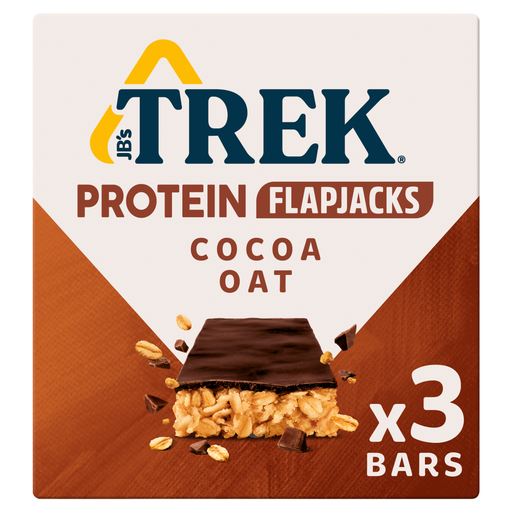
Why This Fits Their Persona: A larger bar for shoppers wanting a more substantial oat-based snack around commuting, hiking or exercise.
The product gives protein and energy figures per 50g bar, making it easier to compare with smaller snack bars.
Provides 9g protein per bar and uses gluten-free oats according to the listing; contains soya.
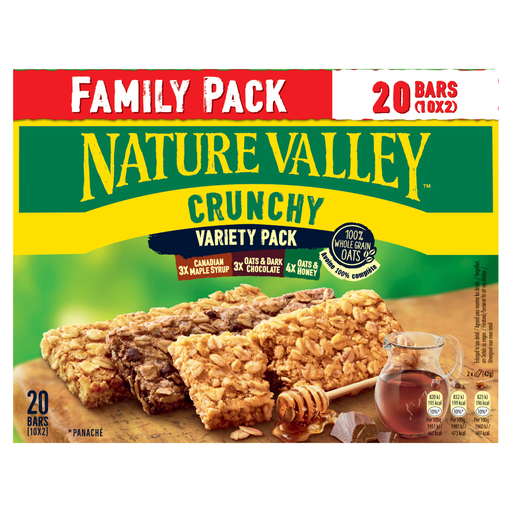
Why This Fits Their Persona: Ten bars across maple syrup, oats and dark chocolate, and oats and honey flavours can suit households with different preferences.
A variety pack reduces the risk of being left with one unwanted flavour, while individually portioned bars simplify packed lunches.
Each 42g portion provides around 195 kcal, with wholegrain oats as the main listed ingredient in the flavours supplied.
We have compiled a complete, real-time list of products that fully satisfy these strict selection criteria and UK safety regulations.
They can be convenient, but suitability depends on the product and your overall diet. Check the serving size, fibre, protein, sugars and energy. Larger oat bars or protein bars may be more substantial, while smaller fruit cereal bars may work better alongside yoghurt or fruit.
Individually wrapped bars with a manageable portion size are practical for lunchboxes. Check school or household allergy requirements carefully. Products containing peanuts, nuts, milk, soya or gluten may not be suitable for every child.
Divide the pack price by the number of bars to find the cost per serving. Then compare like for like by considering bar weight, ingredients, nutritional values and whether the bars are individually wrapped. A cheaper pack may offer less food per bar or a flavour that is less useful for your household.