
24/7 Customer Support

Free returns

Same-day & Next-day Delivery

Quality Guaranteed

Unlock Your Welcome Offers: FREE Delivery | Up to 80% OFF | Free 30-day JoyPlus trial
Download the APP
Cereal bars have become a staple in many UK households, promising a quick and convenient snack for busy mornings, lunchboxes or a post-workout boost. However, the sheer variety can be overwhelming, and the marketing claims on the packaging often don't tell the whole story. It's easy to pick a bar that looks wholesome but doesn't align with your nutritional goals.
As a Joybuy Product Recommendation Officer, my role is to help you navigate this crowded market. Here, we'll look at the common pitfalls to avoid and the key factors to check, ensuring you choose the right snack bar for your needs without falling for the hype.
Before you add a multipack to your basket, be aware of these frequent issues:
To make an informed choice, focus on these three practical parameters. They will help you see past the marketing and understand what you are actually eating.
The nutritional table is your most reliable source of information. Instead of just looking at calories, pay attention to these figures per 100g, as this allows for a fair comparison between different products and brands.
Scan the ingredients list. Ingredients are listed in order of quantity, so the first few items make up the bulk of the bar. Look for:
Consider why you are buying the bar. Is it a light snack for a child's lunchbox, a substantial post-gym refuel, or a quick breakfast alternative?
Based on these practical criteria, here are a few recommendations matched to different needs and lifestyles.
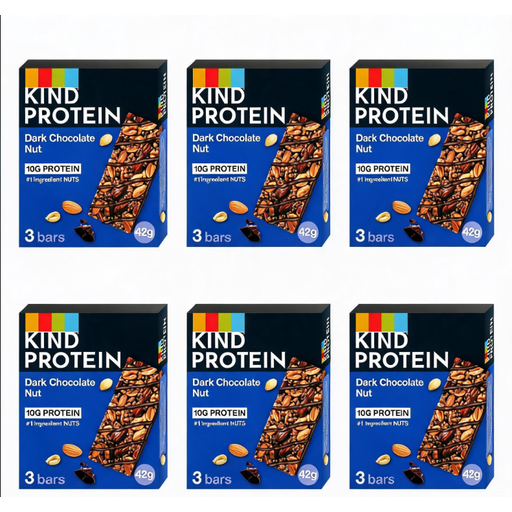
Why This Fits Their Persona: Ideal for a post-workout snack, this bar delivers a meaningful 10g of protein to aid muscle recovery. The use of whole peanuts and almonds provides a satisfying crunch and texture that feels more like real food than a typical protein bar.
This bar counters the "Protein Pretence" by offering a substantial amount of protein. Nuts are the first ingredient, avoiding the "Ingredient Maze" of fillers and syrups.
Provides 10g of plant-based protein per bar. It is also gluten-free and high in fibre.
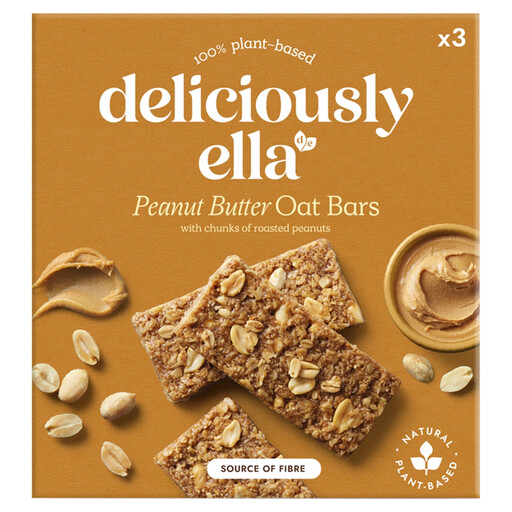
Why This Fits Their Persona: For those who prioritise clean, plant-based ingredients, this bar is an excellent choice. It's made with gluten-free oats and natural sweeteners like rice syrup and coconut sugar, making it a wholesome and satisfying treat.
This bar avoids the "Health Halo" by using genuinely simple, recognisable ingredients. The sugar content (21.2g per 100g) is moderate and comes from less refined sources.
Made with certified gluten-free oats and is entirely plant-based (vegan). The ingredient list is short and easy to understand.
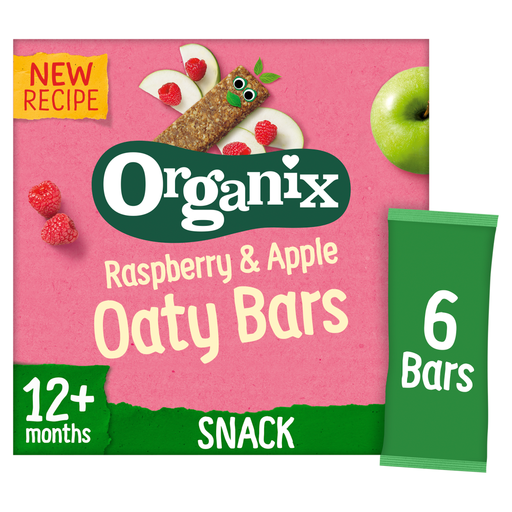
Why This Fits Their Persona: Specifically designed for toddlers from 12 months, these bars have a soft, chewy texture that is gentle on little mouths. They are made with organic ingredients and contain no added sugar or salt, making them a choice parents can feel good about.
This bar directly avoids the high-sugar trap by using only fruit juice concentrates for sweetness. The "No Junk Promise" addresses the ingredient maze, assuring parents of no artificial additives.
100% organic ingredients with a soft texture suitable for toddlers. Individually wrapped portions are perfect for lunchboxes and on-the-go snacking.
We have compiled a complete, real-time list of products that fully satisfy these strict selection criteria and UK safety regulations.
It depends entirely on the bar. A bar high in wholegrain oats, fibre and protein with low sugar can be a convenient option when you're short on time. However, it shouldn't regularly replace a balanced, sit-down meal. Think of it as a practical alternative for occasional busy mornings rather than a daily breakfast staple.
The most effective way is to check the "of which sugars" value on the nutritional information panel per 100g. According to NHS guidelines, more than 22.5g of total sugars per 100g is considered high. This allows you to compare products fairly, regardless of their individual bar size.
While the terms are often used interchangeably, they generally have different focuses: