Students with short gaps between lectures
An individual bar is easy to put in a bag before leaving home and needs no preparation during a break. Check the bar size and pack format if you want to take just one portion at a time.


For a short break between lectures, a smaller, individually portioned bar may suit the job; if lunch is delayed, compare larger bars for their protein, fibre, sugars and energy per bar rather than assuming they will serve the same purpose. Check the exact pack’s ingredients and allergen warnings, especially when choosing for vegan, gluten-free or allergy-related needs.
An individual bar is easy to put in a bag before leaving home and needs no preparation during a break. Check the bar size and pack format if you want to take just one portion at a time.
Compare what one bar provides rather than relying on its size or a front-of-pack claim. For example, Nature Valley UK lists 10.2g protein and 4.4g fibre per 40g Protein Peanut & Chocolate bar; TREK lists 10g protein per 50g Original Oat bar.
Read the ingredients and may-contain statement for the exact flavour and pack. A vegan or gluten-free description does not answer every allergen question: TREK says Original Oat is vegan and gluten-free but may contain peanuts, nuts and milk.
Decide whether the bar is for a quick break or a delayed lunch, then compare individual portions before checking the wider pack.
| Priority | What to check | Your needs |
|---|---|---|
| Portable portion | Check the weight of each bar, the number of bars in the pack and how the portions are wrapped. | For a short lecture break, I want to pack one bar and eat it without preparation. |
| Portion nutrition | Compare protein, fibre, sugars and energy per bar. The listed examples include a 27g Kellogg's Special K Red Berry bar and a 50g TREK Original Oat bar, so one bar is not a consistent portion size. | If lunch runs late, I want to know what the bar I actually carry provides, not just what the front of the pack calls it. |
| Comparable labels | Use per-100g figures to compare different bar sizes, then per-bar figures for the portion you will eat. NHS food-labelling guidance covers energy, fat, saturates, carbohydrate, sugars, protein and salt. | I want to compare sugars and other label values without mistaking a smaller portion for a different per-100g composition. |
| Ingredients and allergens | Read the ingredients and may-contain statement on the exact pack and flavour. Check vegan or gluten-free labelling separately from other allergen warnings. | Before I pack or share a bar, I need to know whether its stated ingredients and warnings fit the people who might eat it. |
The listed bars range from 27g to 50g. Kellogg's UK lists 104 kcal and 1.4g protein for a 27g Special K Red Berry bar, while TREK lists 219 kcal and 10g protein for a 50g Original Oat bar.
Compare nutrition per bar for what you will eat, and per 100g when you want to compare products of different sizes.
Nature Valley UK lists peanuts, soya and milk in its Protein Peanut & Chocolate bar. TREK describes Original Oat as vegan and gluten-free but warns that it may contain peanuts, nuts and milk.
Check the full ingredients and may-contain statement for the exact flavour, particularly before offering a bar to someone else.
Asda Groceries lists 3.1g sugars and 2.2g protein per 30g Graze Peanut Butter Oat Boost bar. That tells you something different from the figures for a larger protein bar; the numbers need to be read alongside portion size and the bar’s intended role.
Decide whether you want a small break-time snack or something to carry when lunch is delayed, then compare the full per-bar panel.
Its Protein Peanut & Chocolate bar is a 40g option to compare when you want protein and fibre in one portion.
Peanut Butter Oat Boosts come as four 30g flapjacks in the Asda Groceries listing, offering a smaller portion to pack for a break.
TREK describes Original Oat as a vegan, gluten-free 50g protein flapjack.
Dark Chocolate & Peanut is a nut-based 40g protein bar for readers comparing that format with oat or cereal bars.
Special K Red Berry is a smaller, 27g cereal-bar portion rather than a protein-bar equivalent.
These packs include protein bars, nut bars and a flapjack that can be considered for a lecture-day bag. Compare their stated pack sizes and check the exact product label for nutrition and allergens.
 Image unavailable
The four-bar pack offers 40g portions to consider when packing a bar for a delayed lunch. Check the exact pack for peanuts, almonds, soya and milk before choosing it for someone with an allergy.
 Image unavailable
The eight-bar pack provides 40g portions for lecture days. Nature Valley UK lists 10.2g protein, 4.4g fibre, 6.9g sugars and 196 kcal per bar; it contains peanuts, soya and milk and may contain tree nuts.
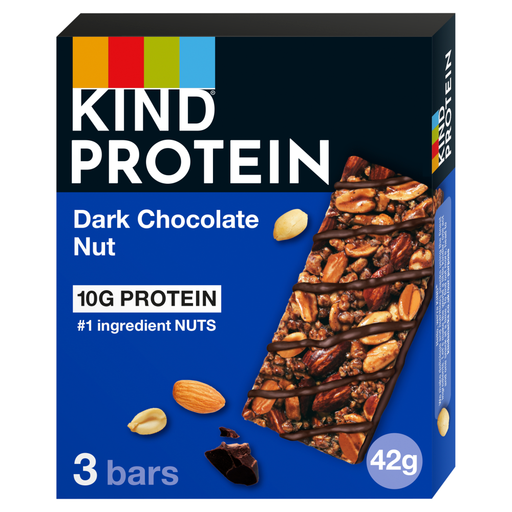 Image unavailable
This three-bar nut-bar pack has 42g portions to compare with smaller cereal bars. Its listed allergy limitations include peanuts, almonds and soya; check the pack’s full warning before taking one to campus.
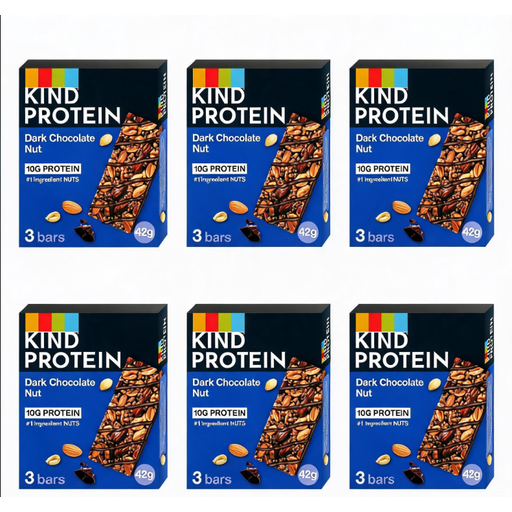 Image unavailable
This is the six-pack bundle of the 3 x 42g format, rather than the single three-bar pack above. Its listed allergy limitations include peanuts, almonds and soya, with further may-contain warnings to check on the pack.
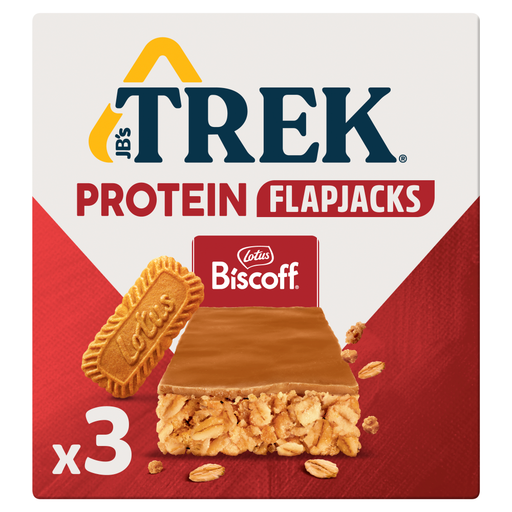 Image unavailable
The three-pack has 50g flapjack portions for anyone comparing a larger bar with a small cereal snack. Check this Biscoff variant’s label for wheat, soya and may-contain warnings; do not apply the gluten-free description of TREK Original Oat to it.
Use both: per 100g helps you compare bars of different sizes, while per-bar figures describe the portion you plan to carry. NHS food-labelling guidance says nutrition information is normally given per 100g and sometimes per portion.
No. Read the ingredients and may-contain statement for the exact bar. TREK describes Original Oat as vegan and gluten-free but says it may contain peanuts, nuts and milk; Nature Valley UK lists peanuts, soya and milk in Protein Peanut & Chocolate.
Check the ingredients list for emphasised allergens and read any may-contain statement for the exact flavour. GOV.UK guidance explains that food packed on the premises before a customer selects it must show its name and an ingredients list with the required allergens emphasised.
Do not assume every bar serves the same purpose. The listed examples range from 27g to 50g and differ in protein, fibre, sugars and energy per portion; compare the actual bar with what you intend to bring for lunch rather than relying on the pack description alone.