Who is choosing a gym-bag bar?
The useful distinction is the snack’s job: a stated protein amount, a particular dietary fit, or simply a small portion to carry between activities.
Gym-goers looking for a stated protein amount
An individually portioned bar makes the protein amount per bar easy to check. Read that figure alongside sugars, saturated fat and allergens rather than using the protein claim to judge the whole product.
Shoppers with dietary or allergen requirements
Vegan and gluten-free claims answer different questions from an ingredient list. For example, TREK labels its Salted Caramel Protein Flapjack vegan and gluten-free, but the product information also identifies soya and possible traces of peanuts, nuts and milk.
People who want a smaller everyday snack
A standard cereal bar may fit a bag and a short break without being protein-led. Kellogg’s lists 1.4g protein for its Special K Red Berry bar and 1.5g for its Nutri-Grain Apple bar; check the serving panel if protein matters to your choice.
What should you check before buying?
Start with ingredients you need to include or avoid, then decide whether protein or a smaller portion matters more. Compare the nutrition panel before choosing a flavour or multipack.
| Priority | What to check | Your needs |
|---|
| Protein |
Read the protein amount per bar and its serving size. Compare named products rather than assuming all cereal bars have a similar amount. |
I want to know how much protein is in the single bar I will carry, rather than choosing from a front-of-pack claim alone. |
| Sugars and saturated fat |
Use per 100g values for a common comparison, then per-bar values for your portion. The NHS describes more than 22.5g sugars or 5g saturated fat per 100g of food as high. |
A protein claim does not settle my choice; I also want to see the sugars and saturated fat in the bar I would eat. |
| Ingredients and allergens |
Check the exact pack’s ingredients, highlighted allergens and precautionary statements. Treat vegan and gluten-free as separate claims. |
If I need to avoid an ingredient, the full allergen information matters more than the snack category or dietary wording on the front. |
| Portion and format |
Confirm the weight of each bar, the number of bars in the pack and whether they are individually wrapped. Check nutrition per bar when serving sizes differ. |
I want one portion that is straightforward to put in my gym bag, without mistaking a multipack total for a single serving. |
Brand references
These examples show how different bar types answer different snack preferences; check the named product rather than treating a brand name as a nutrition or allergen guarantee.
Nature Valley
Its Protein Peanut & Chocolate bar is a 40g, gluten-free protein-bar example.
- Nature Valley lists 10.2g protein and 6.9g sugars per bar.
- It contains peanut, soya and milk ingredients; check the pack if any are relevant to you.
TREK
The Salted Caramel Protein Flapjack is a 50g oat-based option labelled vegan and gluten-free.
- TREK lists 9.5g protein per bar.
- Its product information identifies soya and possible traces of peanuts, nuts and milk, alongside 12g sugars per bar.
Graze
Graze describes its Oat Boost flapjacks as wholegrain-oat snacks.
- An oat-bar route for shoppers who do not primarily want a protein-labelled snack.
- Check the current nutrition panel and ingredients for the exact flavour and multipack rather than applying a range-wide claim to every bar.
Eat Natural
Its Dark Chocolate & Peanut Protein Bar is a 40g nut-and-chocolate example.
- Eat Natural lists 7.8g protein per bar.
- The ingredients include peanuts and soya; the product may also contain milk and several tree nuts.
Kellogg’s
Special K Red Berry and Nutri-Grain Apple illustrate standard cereal or breakfast-style bars rather than protein-led choices.
- Kellogg’s lists a 27g serving for the cited Special K bar and a 37g serving for the cited Nutri-Grain bar.
- The cited bars list 1.4g and 1.5g protein per serving respectively; check each product’s allergens separately.
Alpen
Older Alpen bar listings need a current-product check before they become a shopping choice.
- Alpen Muesli identifies several previous bar varieties as no longer made. Confirm the exact variety and its current listing rather than relying on an older product page.
Joybuy protein-bar options
These options are protein flapjacks and nut-based protein bars for an individually portioned gym-bag snack. Compare their pack sizes and check the exact product label against your ingredient and nutrition requirements.
 No image available
TREK Salted Caramel Protein Flapjacks, 3 × 50g
For a gym-bag snack when you want a stated protein amount and a vegan, gluten-free label. TREK lists 9.5g protein, 12g sugars and 4.8g saturated fat per 50g bar. Check the pack for soya and its precautionary allergen statements.
Joybuy
 No image available
TREK Cocoa Oat Protein Flapjacks, 3 × 50g
A cocoa-oat flavour in a pack of three 50g protein flapjacks. For a single gym-bag portion, check the current pack’s protein, sugars and allergen information before deciding whether it meets your needs.
Joybuy
 No image available
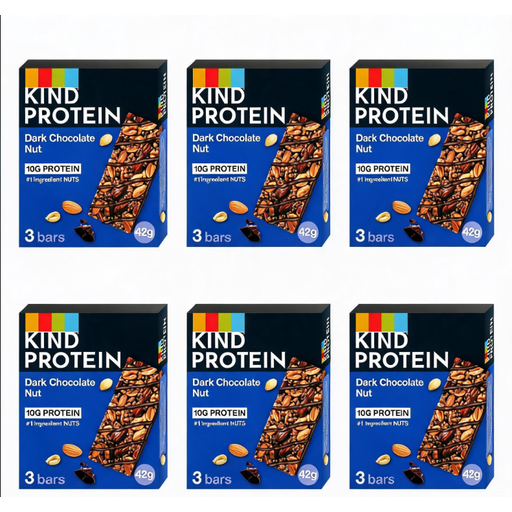
KIND Protein Dark Chocolate Nut Bars, 3 × 42g × 6 pcs
A dark-chocolate nut bar to consider if that flavour and the listed pack configuration suit your snack plans. Check how the packs are grouped, the protein amount per 42g bar and the exact ingredients if you need to avoid nuts or soya.
Joybuy
 No image available
Nature Valley Protein Peanut & Chocolate Bars, 4 × 40g
A 40g peanut-and-chocolate bar for someone seeking a stated protein amount in one portion. Nature Valley lists 10.2g protein and 6.9g sugars per bar; the product contains peanut, soya and milk ingredients.
Joybuy
 No image available
Nature Valley Protein Salted Caramel Nut Bars, 4 × 40g
A salted-caramel nut flavour supplied as four 40g protein bars. Compare the current pack’s protein, sugars and saturated fat per bar with other options, and read its ingredient list if nuts, milk or soya are relevant to you.
Joybuy
Questions about gym-bag cereal bars
Does a gym-bag cereal bar need to be a protein bar?
No. Choose a protein-labelled bar if the stated protein amount is important to your snack choice; a standard cereal bar can serve as a smaller everyday snack. Check protein per bar rather than assuming the two types provide similar amounts.
How can I compare sugars and saturated fat when bars are different sizes?
Compare the per 100g figures first, then read the per-bar figures for the portion you would eat. The NHS describes more than 22.5g sugars or more than 5g saturated fat per 100g of food as high.
Can a gluten-free bar contain other allergens?
Yes. Gluten-free does not mean free from other allergens: TREK labels its Salted Caramel Protein Flapjack gluten-free, while its product information identifies soya and possible traces of peanuts, nuts and milk. Check the statement on the exact pack.
What allergen information should I check on a prepacked bar?
Read the full ingredients list and any precautionary allergen statement. GOV.UK says that when a prepacked food contains any of the 14 regulated allergens as ingredients, they must be clearly labelled in the ingredients list; these include cereals containing gluten, milk, nuts, peanuts and soya beans.
Can I use an old Alpen bar listing to choose a multipack?
Check the exact variety before relying on it. Alpen Muesli lists several former bar varieties as no longer made, so confirm the current product listing, pack size and ingredients when shopping.


