Picnic packers watching snack portions
If the bar accompanies lunch rather than replacing it, compare calories for the whole bar or serving you will eat. The stated serving weight matters when one pack contains several bars.


For a small cereal bar alongside a picnic lunch, compare the calories in the whole bar you expect to eat, not just words such as ‘protein’ or ‘wholegrain’. Among the products in the Kellogg's and Waitrose & Partners specifications compared here, the Kellogg's Coco Pops Snack Bar has the lowest stated figure at 82 kcal per 20g bar; sugar, serving size and allergens may still change which option suits your picnic.
If the bar accompanies lunch rather than replacing it, compare calories for the whole bar or serving you will eat. The stated serving weight matters when one pack contains several bars.
Calories may be only one consideration. For example, Waitrose & Partners lists Graze Cocoa Vanilla Oat Boosts at 116 kcal and 2.7g sugars per 30g boost; compare fibre and the rest of the label on the same serving basis.
Check the exact flavour’s ingredients and any ‘may contain’ statement before sharing bars. Cereal, milk, soya and nut declarations differ between the products discussed here, and pack information can change.
Start with the portion you will actually pack and eat, then read the nutrition and allergen information for that exact product.
| Priority | What to check | Your needs |
|---|---|---|
| Calories and portion | Read kcal per bar or labelled serving and its weight in grams. If a serving contains two bars, decide whether you will eat one or both. | I want a small addition to lunch, so the figure for the amount I will eat matters more than a claim on the front of the pack. |
| Sugars and saturates | Compare sugars and saturated fat per serving. Where bar sizes differ, use the per-100g figures to compare the products on the same weight basis. | A lower-calorie bar does not answer my questions about sugar or saturated fat; I want to check those figures separately. |
| Allergens and diet | Read the exact product’s ingredients, allergen declarations, ‘may contain’ wording and any dietary-suitability statement on the current pack. | If I am sharing bars, everyone needs an option that fits their own allergen and dietary requirements. |
| Picnic storage | Follow the bar’s storage instructions and check which other lunch foods normally need refrigeration. Keep those foods cool during the picnic. | I need a bar that travels conveniently, without assuming the rest of the lunch can be packed in the same way. |
Those descriptions do not tell you the energy in a bar. Eat Natural lists 220 kcal per 40g Dark Chocolate & Peanut Protein Bar, while Kellogg's lists 82 kcal per 20g Coco Pops Snack Bar; they are different-sized snacks.
Decide whether you want a small bar alongside lunch or a more substantial snack, then compare kcal for the amount you intend to eat.
A per-bar figure describes that product’s stated portion. It does not mean two bars of different weights offer the same amount of food or have similar sugar content.
Check the serving weight and per-100g nutrition alongside the figures for the whole portion you plan to eat.
An oat-based or vegan-labelled bar may still carry precautionary allergen warnings. Graze Cocoa Vanilla Oat Boosts, for example, have several ‘may contain’ declarations.
For anyone who needs to avoid an allergen, use the current pack’s ingredients and precautionary wording for the exact flavour, following their established allergy-management advice.
A bar’s storage instructions do not apply to sandwiches, dairy foods or other items normally kept in the fridge. Food Standards Agency picnic guidance says foods normally refrigerated at home need to be kept cool at a picnic.
Follow each food’s storage instructions and use a cool bag or cool box with ice or frozen gel packs for foods that need chilling.
A brand name alone cannot establish a bar’s calories or dietary suitability; compare the exact product and serving shown on its current label.
Kellogg's lists 82 kcal per Coco Pops Snack Bar, 99 kcal per Frosties Cereal Milk Bar and 104 kcal per Special K Red Berry Bar in their respective product specifications.
Waitrose & Partners lists Graze Cocoa Vanilla Oat Boosts at 116 kcal and 2.7g sugars per 30g boost, with 17g fibre per 100g.
Nature Valley UK lists Crunchy, Protein and Oaty & Crispy among its bar ranges.
Eat Natural UK lists its Dark Chocolate & Peanut Protein Bar at 220 kcal, 10.0g sugars and 7.8g protein per 40g bar.
Alpen’s product-availability FAQ lists Alpen Light Bars Chocolate & Orange among products no longer being made.
These cereal-bar and oat-boost packs are options to examine for a picnic lunch. Compare each pack’s labelled portion, nutrition and allergens before deciding which fits your snack plans.
 No image available
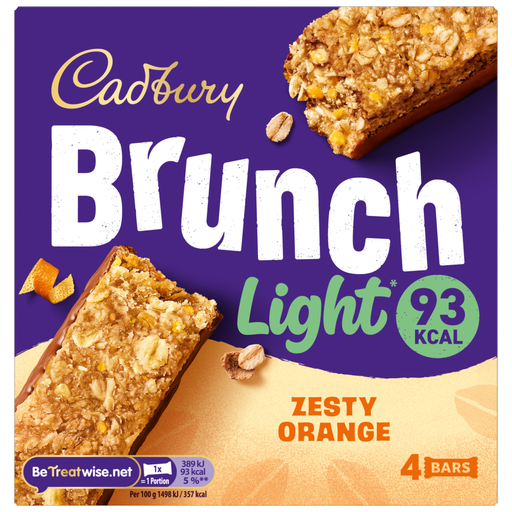
For a bar alongside picnic lunch, check the energy for the portion you will eat and the Orange variant’s current ingredient and allergen information.
 No image available
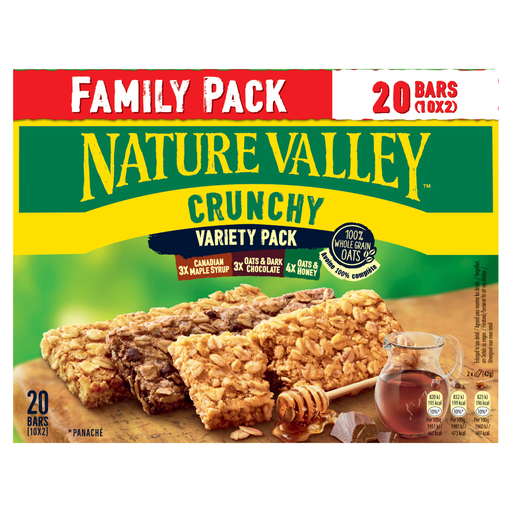
The pack name specifies 10 x 42g portions. Check how many bars make up a labelled serving before comparing calories for the amount you will take to the picnic.
 No image available
Use the 21.5g bar size when comparing picnic portions. Check this Dark Chocolate variant’s energy, sugars and allergen declaration rather than applying figures from a different Special K bar.
 No image available
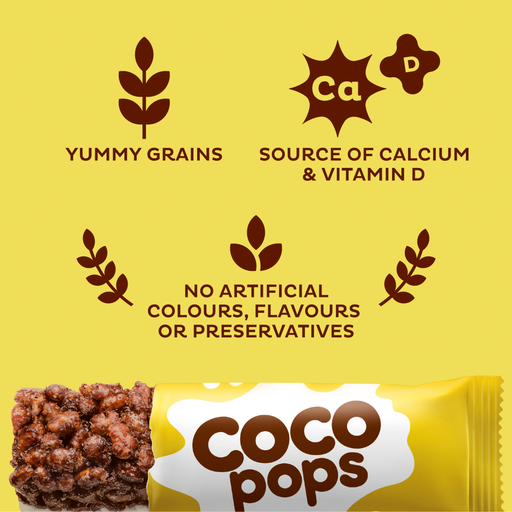
The pack name specifies four 20g bars. Check the nutrition and ingredients for this Chocolate Breakfast Cereal Bars variant before comparing it with other Coco Pops bars.
 No image available
Compare the nutrition for a 30g Cherry Bakewell boost with other bars on the portion you expect to eat. Check this flavour’s own allergen statements rather than using figures for Cocoa Vanilla Oat Boosts.
Compare kcal for the bar or portion you will actually eat; the phrase does not set a personal calorie limit. The Kellogg's and Waitrose & Partners product specifications discussed here range from 82 kcal per 20g Coco Pops Snack Bar to 116 kcal per 30g Graze Cocoa Vanilla Oat Boost, with different serving sizes.
No. The NHS explains that food labels provide energy, fat, saturates, sugars and salt information for comparison. Check those figures for the amount you will eat, as well as ingredients and any dietary or allergen requirements.
Read the current ingredients and ‘may contain’ statement for every exact product and flavour. The products discussed here have differing declarations involving cereals, milk, soya, peanuts or tree nuts, so neither an oat-based format nor a brand name settles suitability.
Follow the storage instructions on the bar’s pack. Separately, Food Standards Agency picnic guidance says foods normally kept in the fridge at home must also be kept cool at a picnic; a bar’s storage instructions do not change how other lunch items should be packed.
Alpen’s product-availability FAQ lists Alpen Light Bars Chocolate & Orange as no longer being made. If you encounter a listing, check the individual pack and its date rather than relying on an older calorie comparison as a guide to a current product.