What to check before buying
Start with the nutrition panel per 100g, then check ingredients, allergens and how the cereal will be served. NHS food-label guidance describes 5g total sugars or less per 100g as low and more than 22.5g per 100g as high.
| Priority |
What to check |
Your needs |
| Meaningful sugar comparison |
Compare “of which sugars” per 100g, not only the serving figure. Read the ingredients for raisins, date paste, fruit purée or other contributors to total sugars. |
I want to compare cereals fairly even when pack serving sizes differ. A no-added-sugar claim alone does not show the total sugars in the bowl. |
| Grain and fibre information |
After checking sugars, compare the stated wholegrain ingredients and fibre values on the same basis. Keep sweet toppings separate if guests are choosing their own combinations. |
I want a cereal base with clearly stated grain and fibre information, while leaving flavour and texture choices open to guests. |
| Allergens and dietary needs |
Read the current allergen declaration and any “may contain” warning. Check for wheat, barley, oats, milk and nuts, and rely on gluten-free wording only where the product is labelled gluten free. |
I need options that can be served clearly to a mixed group, with separate utensils and an alternative where relevant. |
Joybuy cereal options
Joybuy options for a plain, customisable lower-sugar brunch cereal base, including porridge oats and wholegrain wheat biscuit cereals.
 No image available
Flahavan's Organic Porridge Oats 2kg (2 x 1kg)
A warm, customisable cereal base when toppings will be served separately.
Declared per 100g: 0.9g sugars, 8.3g fibre and 11g protein; made with 100% organic wholegrain oat flakes.
Requires preparation as porridge. Check the current pack’s gluten-free labelling if this matters for a guest.
Joybuy
 No image available
Flahavan's Organic Porridge Oats 1kg
A plain oat option for a brunch where guests can choose their own fruit or yoghurt.
Declared per 100g: 0.9g sugars, 8.3g fibre and 11g protein; made with 100% organic wholegrain oat flakes.
It requires preparation as porridge. Check the current pack’s gluten-free labelling if needed.
Joybuy
 No image available
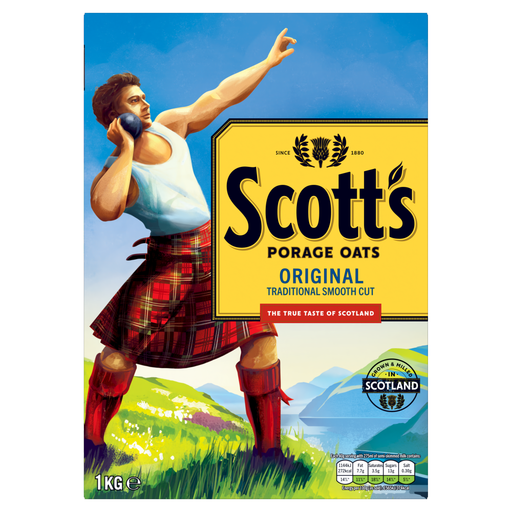
Scotts Porage Oats Original Porridge Oats 1kg
A plain porridge base that can be prepared with water or milk before guests add toppings.
Declared per 100g: 1.0g sugars, 9.0g dietary fibre and 11g protein; the ingredient list states 100% oatmeal.
May contain wheat and barley, so it is not confirmed as suitable for guests avoiding gluten or with coeliac disease.
Joybuy
 No image available
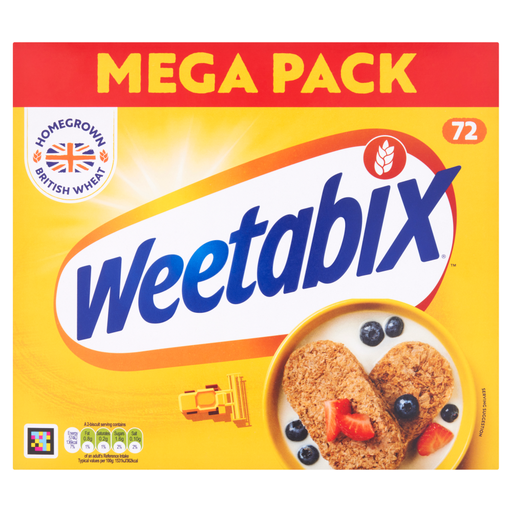
Weetabix Super Size 72 Pack 1.52kg
A wholegrain wheat biscuit option for a serve-yourself brunch table with separate toppings.
Declared per 100g: 4.5g sugars; the cereal is 95% wholegrain wheat and has a two-biscuit serving suggestion.
Contains wheat and barley/gluten, so it is unsuitable for guests who require a gluten-free cereal.
Joybuy
 No image available
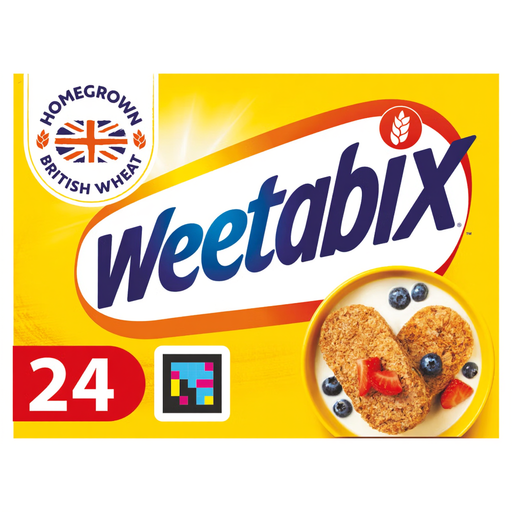
Weetabix Cereal 24 Pack
A compact wholegrain wheat biscuit option for guests to combine with their own milk, yoghurt or fruit.
Declared per 100g: 4.5g sugars; the cereal is 95% wholegrain wheat with a two-biscuit serving.
Contains wheat and barley/gluten, so it is unsuitable for guests who require a gluten-free cereal.
Joybuy
Frequently asked questions
Does “no added sugar” mean a cereal is sugar free?
No. A no-added-sugar claim means sugars have not been added during manufacture, but the cereal can still contain total sugars from ingredients such as dried fruit, fruit purée or milk. Compare the “of which sugars” value per 100g and read the ingredients list; Alpen No Added Sugar lists 18g sugars per 100g, while W. K. Kellogg No Added Sugar Granola lists 12g per 100g.
What figure should I use to compare breakfast cereals for lower sugar?
Use total sugars per 100g for a like-for-like comparison. NHS guidance describes 5g total sugars or less per 100g as low and more than 22.5g per 100g as high; also review the stated serving because manufacturer portions can differ.
Are sugars in raisins and milk treated the same as free sugars?
No. NHS guidance says sugars naturally present in milk, fruit and vegetables do not count as free sugars, although they are included in the total-sugars number on the label. Sugars in honey, syrups, fruit juices, smoothies and purées count as free sugars.
How can I make a lower-sugar cereal brunch without making it bland?
Set out a plain cereal base and offer whole fruit, unsweetened yoghurt, cinnamon, nuts and seeds in separate bowls. This lets each guest control sweetness; confirm allergen suitability before offering nuts, dairy or oat and wheat cereals.
Can I assume oats or a no-added-sugar cereal is suitable for someone with coeliac disease?
No. Use a product specifically labelled gluten free for that guest and check the current pack. Food Standards Agency information states that foods labelled gluten free must contain no more than 20 mg/kg gluten, and oats still need to be emphasised as an allergen.


