Choose a larger cereal pack only after comparing the current shelf unit price and confirming that the household will use the cereal before it goes stale. A wheat-biscuit pack, cornflakes, shredded wheat, porridge oats and muesli suit different routines, so check the exact ingredients, allergens and nutrition declaration before buying.
Who these packs suit
Budget-focused cereal households
Households choosing a larger everyday cereal pack should compare price per kilogram or per item rather than relying on the front-of-pack price. Pack count, net weight and how regularly the cereal is eaten all affect value.
Households managing wheat, gluten or nut exposure
Check the exact label before choosing a bulk pack. The cereal types covered here can contain wheat, barley, oats, peanuts, tree nuts or milk, depending on the product.
Households balancing familiar cereal with label priorities
Ready-to-eat flakes and biscuits, plain shredded wheat, porridge oats and muesli differ in preparation, texture and the nutrition information shown on their labels.
What to compare before buying
Start with the format your household will actually eat, then compare like-for-like pack units and labels before choosing a larger box or bag.
| Priority |
What to check |
Your needs and respondent share |
| Usable pack value |
Compare price per biscuit for wheat biscuits, or price per kilogram for flakes, oats and muesli. Check the pack count or weight, and separate promotional unit prices from standard prices. |
A larger pack works for me only if it is a cereal my household eats regularly and can store well. |
| Nutrition label |
Compare sugars and salt on the same basis, preferably per 100g. Where present, traffic-light labels show high, medium or low amounts of fat, saturated fat, sugars and salt, alongside energy. |
I want to compare labels rather than assume similar-looking cereals are alike. In the Food Standards Agency and Ipsos Making Food Better Tracker Survey 2024, 49% of 611 UK respondents said they actively used traffic-light labelling when shopping for food. |
| Allergens and dietary fit |
Read the ingredient list, allergen statement and any may-contain wording on the exact pack. Confirm any gluten-free claim on the product itself rather than inferring it from the cereal type. |
A bulk pack must be suitable for everyone expected to eat it, including anyone avoiding particular cereals, nuts or milk. |
Common value-pack mistakes
-
Treating any large box as the best value
A larger pack can still have a higher unit price than another size or cereal. Promotional and standard shelf prices can also differ for the same product.
Compare the current shelf price per kilogram or per item across the exact packs you are considering, and assess offers separately from regular prices.
-
Assuming wholegrain means suitable for a gluten-free or allergy-managed diet
Wholegrain cereals may contain wheat or barley, while some products also list nuts, peanuts or milk. A bulk purchase is unsuitable if a household member cannot eat it.
Check the exact current pack’s allergen statement and any gluten-free wording before purchase; do not infer suitability from the brand or cereal type.
-
Comparing nutrition using inconsistent serving sizes
Declared portions vary between cereals, so a lower figure per serving can simply reflect a smaller stated portion.
Compare nutrition per 100g first, then use the serving guidance to judge the bowl your household is likely to eat.
Relevant cereal brand references
Weetabix
A wholegrain wheat-biscuit cereal route for households looking for a larger everyday pack format.
- A 48-biscuit pack format is available, and the product is described as 100% wholegrain wheat.
- Contains wheat and barley, so it is not suitable for people avoiding those cereals or gluten.
Kellogg’s
A mainstream ready-to-eat cereal option for households that specifically prefer cornflake texture and minimal preparation.
- Corn Flakes are available in a larger 670g format and provide declared nutrition per 30g serving.
- Contains barley and may contain gluten from other cereals; compare current price per kilogram across pack sizes.
Nestlé Cereals
Offers both malty Shreddies and plain Shredded Wheat for households choosing between a flavoured square cereal and a simple wheat cereal.
- Shredded Wheat Original is made with whole grain wheat and states no added sugar or salt.
- Shredded Wheat contains wheat and may contain peanuts and nuts; pack sizes and labels should be checked by product.
Quaker
An oat-based alternative for households willing to prepare porridge instead of serving a ready-to-eat bowl cereal.
- Traditional Rolled Oats are available in 500g, 1kg and 1.5kg packs.
- Preparation is required, and a standard oat product should not be treated as gluten-free unless the exact pack is labelled accordingly.
Dorset Cereals
A muesli-led option for households that prefer a fruit, nut and seed mix over a plain basic cereal format.
- Tasty Toasted combines wholegrain oat, wheat and barley flakes with dried fruit, hazelnuts, almonds and pumpkin seeds.
- The product contains nuts and has 19g sugars per 100g, despite the brand’s no-added-sugar statement.
Joybuy cereal options
Joybuy product options for larger household cereal packs, including wheat biscuits, ready-to-eat cereal, muesli and prepared porridge.
 No image available
Weetabix Super Size 72 Pack 1.52kg
A large ready-to-eat wheat-biscuit option for households that regularly eat this format.
Stated as 72 biscuits and 1.52kg, with 95% wholegrain wheat. The listing declares wheat and barley, plus 4.5g sugars and 0.27g salt per 100g. Compare the live unit price with other pack sizes.
Joybuy
 No image available
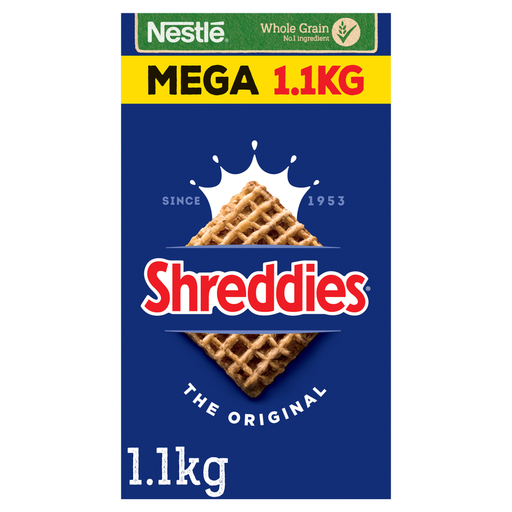
Nestlé Shreddies Original Malted Wheats 1.1kg
A substantial ready-to-eat cereal pack for households that prefer malty wheat squares with milk.
The listing states 1.1kg, 96.1% wholegrain wheat and 12g fibre per 100g. It contains wheat and barley and may contain peanuts and nuts; compare 12.5g sugars and 0.72g salt per 100g on the same basis as other cereals.
Joybuy
 No image available
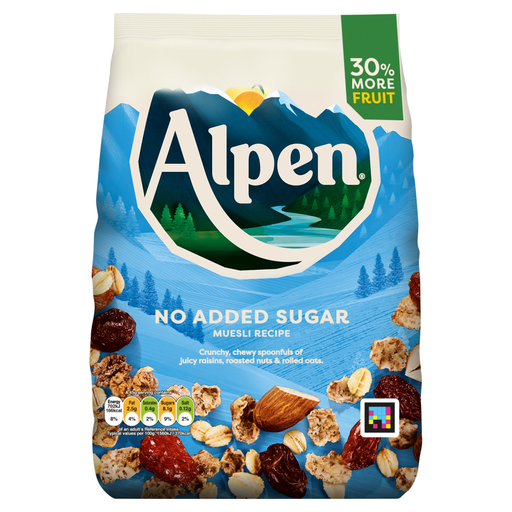
Alpen No Added Sugar Muesli 950g
A larger muesli choice for households that specifically want oats, wheat flakes, fruit and nuts in one cereal.
The 950g listing states no added sugar, 8g fibre, 0.28g salt and 18g sugars per 100g. It contains almonds, hazelnuts, milk, oats and wheat, and may contain other nuts.
Joybuy
 No image available
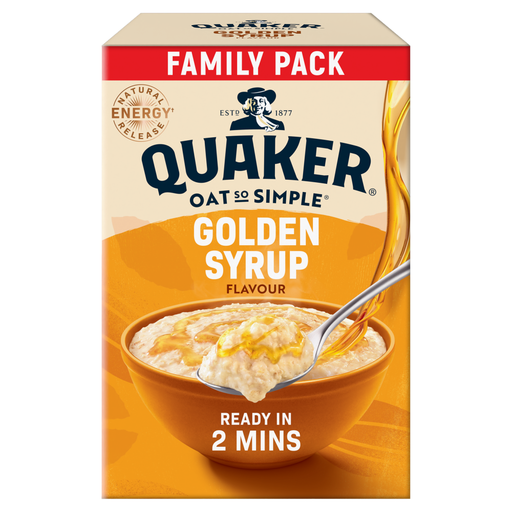
Quaker Oat So Simple Golden Syrup 20 Sachets 720g
An individually portioned porridge route for households that are happy to prepare breakfast rather than serve cereal straight from the pack.
The listing states 20 sachets, 720g, 81% wholegrain rolled oats and 7.3g fibre per 100g. Each sachet needs milk, a microwaveable bowl and two minutes in a 900W microwave; it contains oats and may contain barley, wheat and soy.
Joybuy
Frequently asked questions
Should I compare cereal packs by box price, count or weight?
Compare the unit that fits the product type: price per biscuit is useful for wheat biscuits, while price per kilogram is more suitable for flakes, muesli and oats. Do not compare a per-biscuit figure directly with a per-kilogram figure.
How can I compare sugar and salt between cereals?
Compare the nutrition declaration on the same basis, preferably per 100g, then consider whether the stated serving size reflects the bowl your household will eat. UK traffic-light labels, where provided, indicate whether fat, saturated fat, sugars and salt are high, medium or low and also show energy.
Can a wholegrain cereal be treated as gluten-free?
No. A wholegrain wheat cereal is not suitable for someone avoiding gluten unless the exact product is specifically labelled for that requirement. Food Standards Agency guidance states that food labelled gluten-free must contain no more than 20mg/kg gluten as sold.
What allergy checks matter before buying muesli or wheat cereal in bulk?
Read the exact ingredient list and any may-contain statement before purchasing. Wheat biscuits may contain wheat and barley, shredded wheat can carry peanut or nut warnings, and muesli may include named nuts such as hazelnuts and almonds.


