Choose a cereal-bar multipack according to whether you want snacks around training, something to carry on a long run, or a protein-containing snack afterwards. For runs lasting more than 60 minutes, the Gatorade Sports Science Institute describes a broad intake range of 30–90 g carbohydrate per hour; compare the carbohydrate in each wrapped portion with your plan, then consider how many portions you can comfortably carry and eat. Pack count, fat, fibre and allergens matter too: a protein bar should not be treated as sufficient on-run fuel simply because it is marketed to active people.
Who is this for?
Runners planning food for long runs
Compare carbohydrate per portion with the number of portions you could carry and eat during a run. Practise with the exact bar before relying on it for an event; the University of Birmingham notes that carbohydrate tolerance varies between athletes.
Runners stocking up or sharing snacks
Count individually wrapped portions as well as bars. For example, Nature Valley describes its Crunchy Variety Family Pack as 20 bars arranged in 10 two-bar packs, which makes the number of portions clearer when planning sessions or sharing.
Runners choosing a snack after training
A protein-containing bar can be chosen as a convenient snack without making it the basis of a long-run carbohydrate plan. Check its carbohydrate per bar separately if you also intend to carry it while running.
What should you check before choosing a multipack?
Start with the intended use and the nutrition per wrapped portion, then check whether the pack format works for your training schedule.
| Priority |
What to check |
Your needs |
| Carbohydrate per portion |
Read grams of carbohydrate per bar or wrapped portion. For runs over 60 minutes, compare the portions you plan to eat with the broad 30–90 g per hour range described by the Gatorade Sports Science Institute; the appropriate amount depends on the run and the individual. |
I want to know what each portion contributes to my long-run plan, rather than assuming one bar covers an hour of running. |
| Eating while running |
Check portion size, texture, fat and fibre alongside the carbohydrate figure. Trial the bar and your usual drink together during training; the University of Birmingham notes that excessive carbohydrate intake can cause cramping or bloating. |
If I plan to eat while moving, I need a portion I can carry, chew and tolerate at my training pace. |
| Pack format |
Distinguish the number of bars from the number of wrapped portions. Check bar size, flavours and how many portions you expect to use or share across sessions. |
A larger box is useful to me only if its portions fit my runs, household or group. |
| Ingredients and allergens |
Read the current pack’s ingredients and allergen statements, including any precautionary wording. Check a gluten-free claim against the exact product rather than treating it as a statement about other allergens. |
Before I eat or share a bar, I need to know whether its ingredients and allergen statements meet the relevant person’s requirements. |
Common buying mistakes
-
Treating a protein bar as the main fuel for a long run
Protein content does not tell you how much carbohydrate a bar supplies. Nature Valley’s Protein Peanut & Chocolate Big Pack is described by the brand as providing around 10 g protein per 40 g bar, but it serves a different buying purpose from a carbohydrate-focused running plan.
Read carbohydrate per bar and work out how many bars your planned intake would require. If that number is impractical to carry or eat, consider another carbohydrate format alongside or instead of bars.
-
Counting bars without counting portions
Nature Valley’s 20-bar Crunchy Variety Family Pack contains 10 wrapped two-bar portions. According to Nature Valley, each two-bar portion supplies 27.0 g carbohydrate; the size of the box does not determine what one portion contributes to a run.
Check bars per wrapper, carbohydrate per wrapper and the number of sessions you expect the box to cover.
-
Trying an unfamiliar bar for the first time on event day
A bar that is convenient away from a run may be less convenient to chew repeatedly while moving. The University of Birmingham also notes that carbohydrate tolerance differs between athletes.
Try the exact flavour and portion with your usual drink during training. Check ingredients and allergen statements before eating or sharing it.
-
Assuming an online description matches the delivered pack
Ingredients and nutrition information can change. A product-specific gluten-free statement also does not answer questions about every other allergen: Nature Valley’s Protein Peanut & Chocolate bar contains peanuts, soya and milk, according to the product information used here.
Check the delivered pack’s ingredients, nutrition table, allergen statements, bar count and best-before date before using the bars.
Brand and product-line references
These examples show why a brand name alone is not enough to choose a running snack: formats and nutrition differ between products.
Nature Valley
Its Crunchy Variety and Protein Peanut & Chocolate packs illustrate two different uses: a carbohydrate-containing sharing pack and a protein-containing snack pack.
- According to Nature Valley UK, Crunchy Variety contains 20 bars in 10 two-bar packs and supplies 27.0 g carbohydrate per two-bar, 42 g portion.
- The brand describes its eight-bar Protein Peanut & Chocolate pack as supplying around 10 g protein and 4 g fibre per 40 g bar. It contains peanuts, soya and milk and may contain tree nuts; check the current pack.
Kellogg's
The Nutri-Grain Apple product offers a soft cereal-and-fruit format to compare with crunchy oat bars.
- Kellogg's UK lists 25 g carbohydrate, 3.1 g fat and 1.4 g fibre per 37 g serving of Nutri-Grain Apple.
- Check the count and nutrition on the exact multipack you are buying rather than applying figures from another Nutri-Grain flavour or size.
Graze
Graze describes its Oat Boost range as wholegrain-oat flapjacks.
- The flapjack format gives shoppers another texture to consider alongside softer or crunchier bars.
- For a particular multipack, check its current carbohydrate per bar, pack count and ingredients before deciding whether it fits your running plan.
Trek
Trek has flapjack-style multipacks, including a Cocoa Oat Protein Flapjacks listing in a 3 x 50 g format.
- The stated three-bar format makes portion counting straightforward for that listing.
- Check the exact flavour’s carbohydrate, fat, fibre and allergen information before choosing it for use during a run.
Eat Natural
Its listed Energy Bar, Protein-Packed with Peanuts and Chocolate comes in a 3 x 40 g format.
- The named flavour and pack size give a starting point for comparing portions.
- Do not infer its carbohydrate contribution or full allergen suitability from the product name; check the exact pack.
Joybuy product options for training snacks
These packs include cereal, fruit-and-nut and protein-containing bars for different snack and carrying preferences. Compare each one with your intended use; the selection is not a complete marathon fuelling plan.
 No image available
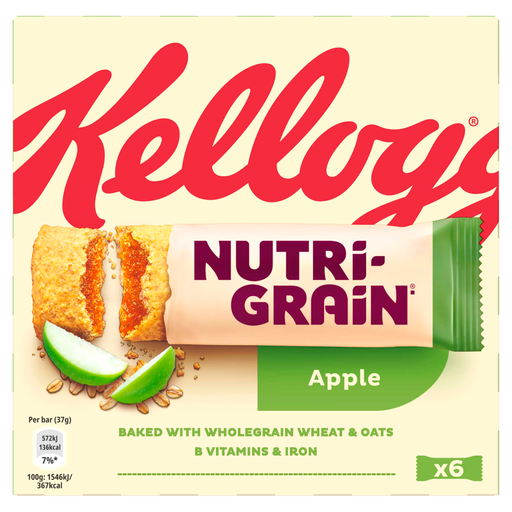
Kellogg's Nutri-Grain Apple Fruity Breakfast Bars, 6 x 37 g
A six-bar pack to consider for individually portioned snacks around training. Kellogg's UK lists 25 g carbohydrate, 3.1 g fat and 1.4 g fibre per 37 g serving of Nutri-Grain Apple; check the pack’s ingredients and allergens before use.
View on Joybuy
 No image available
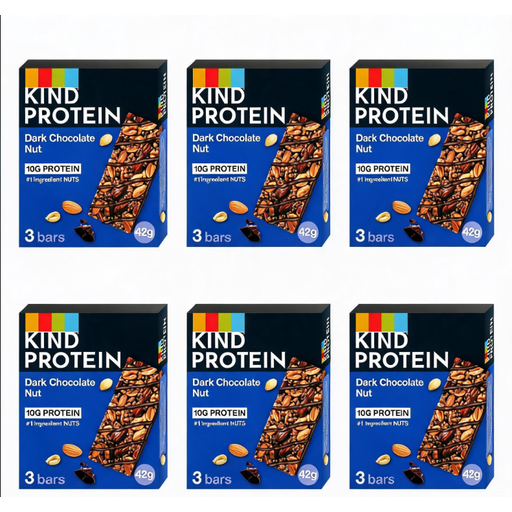
KIND Protein Dark Chocolate Nut Bars, 3 x 42 g x 6 pieces
A nut-bar option for someone choosing a snack after training or between meals. Check the exact pack’s carbohydrate per bar and allergen statements before treating it as food to carry on a run.
View on Joybuy
 No image available
Trek Salted Caramel Protein Flapjacks, 3 x 50 g
A three-flapjack pack for individually portioned training snacks. If you intend to eat one during a run, check its carbohydrate, fat, fibre and allergens on the exact pack, and try the portion during training.
View on Joybuy
 No image available
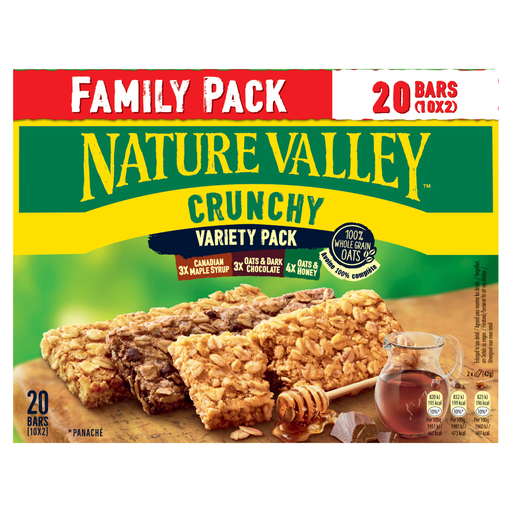
Nature Valley Crunchy Family Variety Pack, 10 x 42 g
A pack to consider when sharing or stocking up on wrapped training snacks. Nature Valley UK states that its Crunchy Variety pack contains 20 bars in 10 two-bar portions, with 27.0 g carbohydrate per 42 g portion. One portion is a contribution to, not an automatic substitute for, an hourly long-run plan; check the current pack’s allergen statements.
View on Joybuy
 No image available
Nakd Blueberry Muffin Raw Fruit & Nut Bars, 4 x 35 g
A four-bar fruit-and-nut pack for portioned snacks. Check carbohydrate and fibre per 35 g bar, along with the current ingredients and allergen statements, before deciding whether to carry it on a run.
View on Joybuy
Questions about training snacks
Can cereal bars be my only fuel during a marathon?
Do not assume a multipack covers your full carbohydrate plan without calculating portions. For exercise lasting more than 60 minutes, the Gatorade Sports Science Institute describes a broad range of 30–90 g carbohydrate per hour. Nature Valley UK lists 27.0 g per two-bar Crunchy Variety portion, so compare the number of portions you could comfortably eat with your planned intake and consider other formats if needed.
Why try a bar on long training runs first?
Testing tells you whether you can carry and eat the intended portion with your usual drink while running. The University of Birmingham notes that carbohydrate tolerance varies and that excessive intake can cause cramping or bloating. Try the exact bar and quantity in training rather than introducing them on event day.
Does a protein bar suit the same purpose as an on-run cereal bar?
Not necessarily: protein content and carbohydrate contribution are different measures. Nature Valley describes its Protein Peanut & Chocolate bar as providing around 10 g protein per 40 g bar; for a long-run plan, check its carbohydrate per bar and how many bars you would need to eat, rather than using the protein figure as a guide to fuelling.
How should I check allergens in a multipack?
Read the current physical pack’s ingredients, highlighted allergens and precautionary statements before eating or sharing a bar. Check the exact flavour and variant: a gluten-free statement does not mean a product is free from peanuts, milk, soya or other allergens.


