Runners stocking up for training weeks
A multipack can keep familiar portions available for workdays, travel and snacks around training. Check the bar’s labelled serving size rather than treating the number of bars in the box as a fuelling measure.


A cereal-bar value pack can make it easier to keep familiar snacks on hand for training, but pack size alone does not make a bar a complete long-run or marathon fuelling plan. Compare carbohydrate per serving, portion format and allergens, then practise the bar and drink combination you intend to use; World Athletics cites 30–60 g carbohydrate per hour for endurance activity lasting 1–2.5 hours.
A multipack can keep familiar portions available for workdays, travel and snacks around training. Check the bar’s labelled serving size rather than treating the number of bars in the box as a fuelling measure.
If you plan to eat a bar during a run, its carbohydrate amount, size and compatibility with your usual drink matter. World Athletics’ distance-running guidance emphasises a personalised plan practised before race day, including attention to gut discomfort.
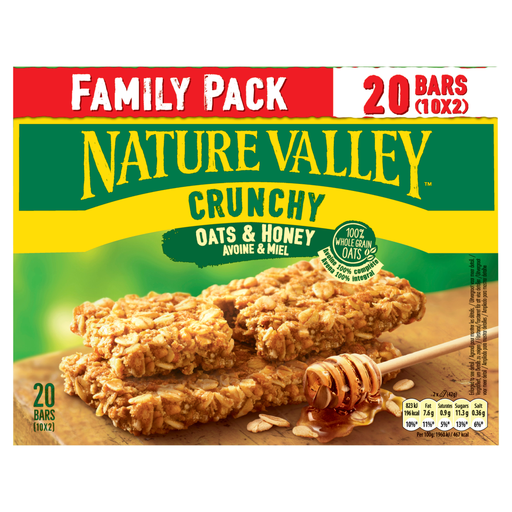
Bulk buying calls for a check of the exact pack’s ingredients and allergen declaration. Cereal bars differ: the Nature Valley Oats & Honey family-pack listing, for example, says it may contain soy, wheat, peanuts and tree nuts.
Start with the serving you would actually eat, then check whether its format and ingredients work for the session you have planned.
| Priority | What to check | Your needs |
|---|---|---|
| Carbohydrate per serving | Read the carbohydrate figure and serving size together. World Athletics cites 30–60 g per hour for endurance activity lasting 1–2.5 hours; its guidance for activity over 2.5 hours extends to up to 90 g per hour. | I want to know how much carbohydrate my planned portion contributes, rather than assuming one bar covers an hour of running. |
| Portion format | Compare the number of bars with the number of labelled servings. Nature Valley lists two bars as one 42 g serving on its Crunchy Oats & Honey family-pack label; Kellogg’s lists one 37 g Nutri-Grain Apple bar as a serving. | A portion needs to fit in my bag and be manageable at the time I intend to eat it. |
| Practised use | Try the exact bar, portion, timing and drink combination during training. World Athletics’ distance-running guidance identifies practicality and gut discomfort as considerations in a race nutrition plan. | Before relying on a bar in a marathon, I need to know whether that combination works for me on a run. |
| Ingredients and allergens | Read the current pack’s full ingredient list and allergen declaration, including relevant may-contain statements. GOV.UK says regulated allergens present in prepacked food must be clearly labelled in the ingredients list. | If I avoid particular ingredients, I need the declaration for the precise flavour and pack I am buying. |
A larger pack tells you how much food is available, not how much carbohydrate your chosen serving provides. Nature Valley’s labelled two-bar Crunchy Oats & Honey serving provides 27 g carbohydrate; World Athletics’ cited range for 1–2.5 hours of endurance activity is 30–60 g per hour.
Calculate from the nutrition panel for the exact pack and portion you plan to carry. Consider the rest of your food and drink plan rather than counting bars alone.
World Athletics’ distance-running guidance describes race nutrition as something to personalise and practise, with gut discomfort among the practical risks.
Test the exact bar, amount, timing and accompanying drink during training before relying on that combination for a race.
Ingredients and may-contain statements differ by product. Nature Valley’s Crunchy Oats & Honey family-pack listing flags possible soy, wheat, peanuts and tree nuts; Kellogg’s Nutri-Grain Apple lists cereal, milk and soy ingredients.
Check the declaration on the current pack for the exact product and flavour, particularly if you need to avoid an ingredient.
These product-line examples help explain what to compare on a label; they do not establish that every listed format is available in a multipack here.
Nature Valley UK lists Crunchy family-pack bars alongside other cereal-bar formats. Check the precise pack and flavour when using its nutrition information.
Kellogg’s UK provides per-serving information for cereal-bar lines including Nutri-Grain and Special K.
Graze describes its Oat Boost flapjacks as wholegrain-oat snacks. That positioning alone does not establish how much carbohydrate a particular flapjack contributes during a run.
These packs include crunchy oat bars, fruit-filled breakfast bars and a smaller flapjack pack. Compare their stated pack formats, then use the current label for the precise flavour and portion you intend to eat.
 No image available
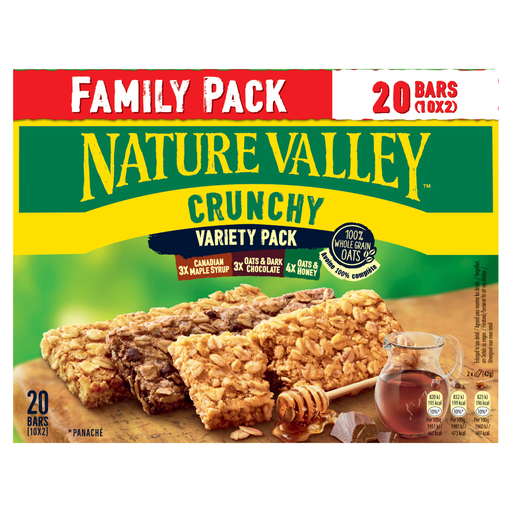
The variety format offers portions to keep on hand across training weeks. Check the carbohydrate and allergen information for each flavour before planning a portion for a run.
 No image available
A 20-bar pack suits keeping the same oat-bar flavour available for repeated snacks. Use this pack’s own serving count and nutrition panel when calculating what you would take on a run.
 No image available
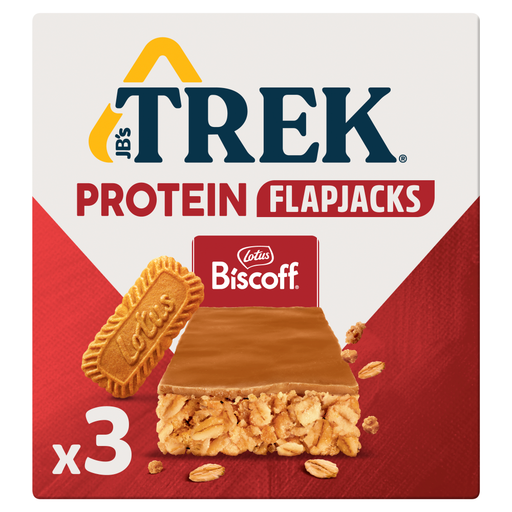
This three-bar flapjack pack is a smaller format than the larger cereal-bar multipacks shown here. Check its own nutrition and ingredient label before deciding whether to use a bar during training.
 No image available
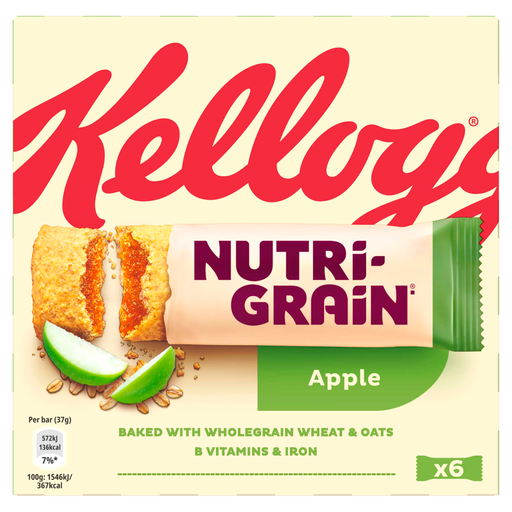
The apple bar offers a fruit-filled alternative to crunchy oat bars. Kellogg’s UK lists 25 g carbohydrate per 37 g Nutri-Grain Apple bar; check the pack’s current ingredients and allergens before buying.
 No image available
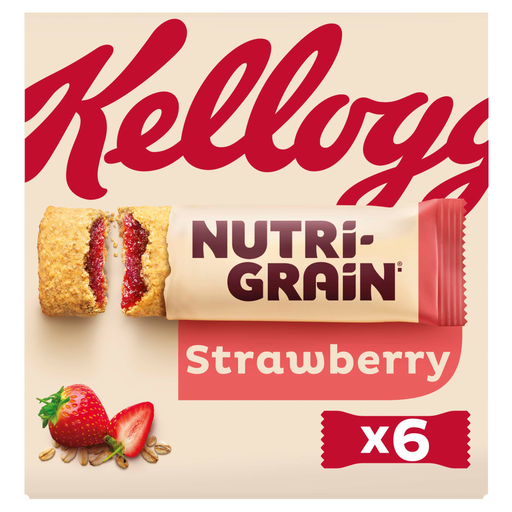
This strawberry six-pack is another fruit-filled bar format for training-week snacks. Read the strawberry variant’s own carbohydrate, serving-size and allergen information rather than applying figures from the apple bar.
A cereal bar can contribute carbohydrate, but it is not an automatic replacement for a practised food and fluid plan. World Athletics cites 30–60 g carbohydrate per hour for endurance activity lasting 1–2.5 hours and up to 90 g per hour for activity over 2.5 hours; calculate what your chosen portion provides and test how you use it during training.
Nature Valley UK lists 27 g carbohydrate in a two-bar, 42 g serving of its Crunchy Oats & Honey family pack. That figure is for the labelled serving on that listing, so check the current pack before using it for a different pack format or flavour.
For a bar you intend to eat during a long run, check its carbohydrate per serving and practise eating it with your planned drink rather than choosing by a protein or fibre description alone. World Athletics’ endurance guidance frames during-event fuelling around carbohydrate intake, while its distance-running guidance also calls for a plan that accounts for practicality and gut discomfort.
Check the ingredients and allergen declaration on the exact pack and flavour each time. GOV.UK says regulated allergens present in prepacked food must be clearly labelled in the ingredients list; product-specific may-contain statements also matter when deciding whether a bar meets your requirements.