
24/7 Customer Support

Free returns

Same-day & Next-day Delivery

Quality Guaranteed

Unlock Your Welcome Offers: FREE Delivery | Up to 80% OFF | Free 30-day JoyPlus trial
Download the APP
As a parent, navigating the baby food aisle can feel like a monumental task. Shelves are lined with options, each promising to be the perfect choice for your little one. When it comes to weaning, especially around the seven-month mark, finding a convenient, nutritious and appealing meal is a top priority. However, marketing claims can often create confusion, leading to purchases that aren't quite right for your baby's developmental stage.
Before you add a tin to your basket, let's look at a few common pitfalls that can catch parents out:
To make a confident choice, focus on a few core parameters rather than marketing slogans. These objective details will help you select the right weaning food for your child.
Baby food is typically categorised into stages to match a baby's developing digestive system and motor skills. A stage 2 baby food, generally intended for babies from around 7 months, marks an important step in the weaning journey.
From around six months of age, the natural iron stores a baby is born with begin to deplete. The NHS advises introducing foods containing iron as part of their weaning diet. This is why many commercial baby cereals are fortified.
When checking the label, look for:
The base ingredient of many baby cereals is a grain like wheat, which provides energy and fibre. When choosing a flavoured variety, check how that flavour is achieved. Does it come from real fruit pieces or flakes, or from artificial flavourings?
The convenience of a just add water baby cereal is a major draw. These products already contain milk powder, simplifying preparation. For families who get through a lot of cereal, purchasing a 1kg baby cereal tin can also be more economical and reduce packaging waste compared to smaller boxes.
To help you match a product to your specific needs, here are a few options from the Nestlé baby food range, each suited to a different stage of the weaning journey.
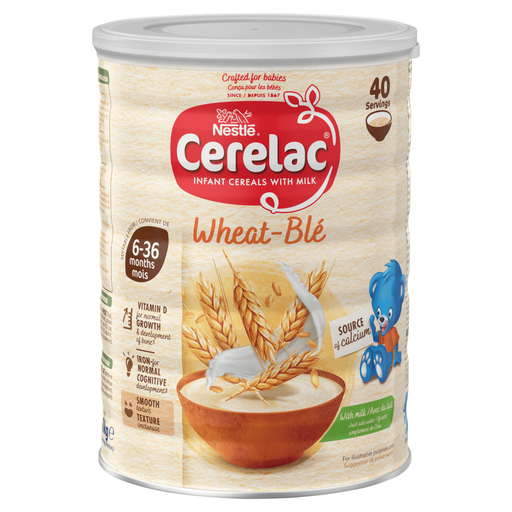
Why This Fits Their Persona: Ideal for parents just starting the weaning journey from 6 months. It offers a simple, gentle introduction to solid foods with a plain wheat base, allowing the baby to get used to a new texture without overwhelming flavours.
This cereal is clearly labelled for 6+ months, avoiding the age-stage mismatch. It contains no added sugar, only naturally occurring sugars from the grain and milk, addressing the sugar confusion pitfall directly.
A foundational first food that is fortified with iron for cognitive development. Its simple flavour profile makes it a versatile base for later adding your own fruit or vegetable purées.
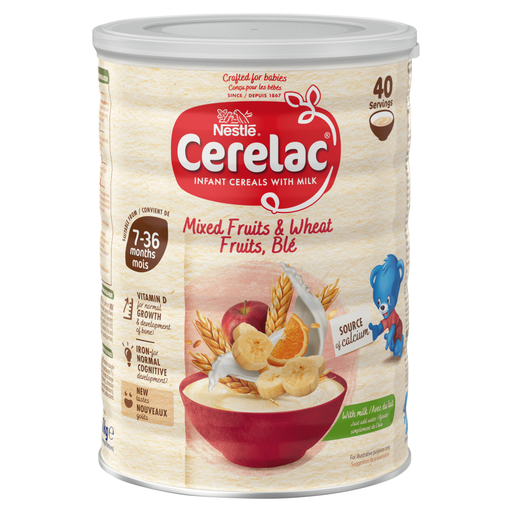
Why This Fits Their Persona: Perfect for parents whose babies (7+ months) are ready to explore new tastes. This cereal introduces a gentle blend of fruit flavours, encouraging palate development while providing a nutritionally complete meal.
The flavour comes from real fruit flakes (banana, apple, orange), not just flavourings. The 7+ month guidance is clear, ensuring it's used at the appropriate stage 2 of weaning.
A convenient, all-in-one meal that combines grain, milk and fruit. It is fortified with key nutrients, including iron, to support growth and development.
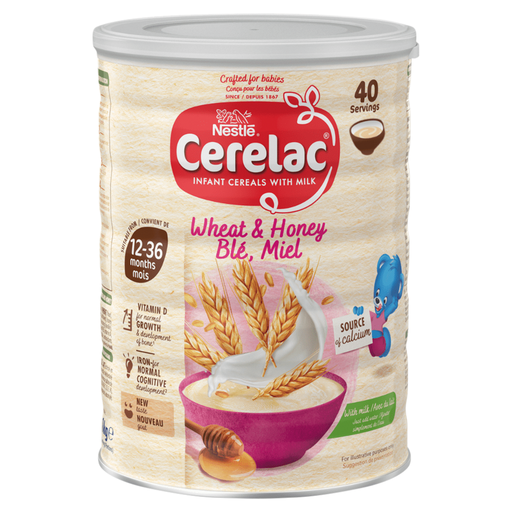
Why This Fits Their Persona: Designed for active toddlers from 12 months old who need a nutrient-dense meal. The addition of honey provides a different, appealing flavour for more developed palates.
This product directly prevents the age-stage mismatch pitfall by clearly stating it is for toddlers from 12 months and is not suitable for younger infants due to the presence of honey.
Provides a tasty and nutritionally fortified meal tailored to the energy needs of a growing toddler. The 1kg tin offers excellent value for daily use.
We have compiled a complete, real-time list of products that fully satisfy these strict selection criteria and UK safety regulations.
It's always best to start with small quantities and gradually increase the portion as your baby's appetite grows. The packaging for Cerelac Mixed Fruits & Wheat suggests a standard serving of 25g of cereal mixed with 75ml of lukewarm water. You can increase this up to a suggested portion of 50g per day, split over two meals, as your baby gets older. Always watch for your baby's fullness cues.
Nestlé CERELAC cereals are intended as a complementary food, not as a breast milk or formula substitute. They are designed to be part of a varied and balanced weaning diet that should also include fruits, vegetables and other food groups. While fortified with key nutrients, they are one component of your baby's overall nutrition.
A 1kg baby cereal tin contains approximately 40 servings, based on a standard 25g portion size. If you are feeding your baby one serving per day, a single tin would last for about 40 days, or just over a month. This makes the larger tin a convenient and cost-effective option for regular use.