
24/7 Customer Support

Free returns

Same-day & Next-day Delivery

Quality Guaranteed

Unlock Your Welcome Offers: FREE Delivery | Up to 80% OFF | Free 30-day JoyPlus trial
Download the APP
Buying ceremonial grade matcha can be confusing. Bright green packaging, Japanese terminology and phrases such as “premium” or “high grade” do not always tell you how the product will perform in your kitchen. The right choice depends on origin, ingredients, freshness, preparation method and how often you plan to use it.
For UK shoppers, there are three common pitfalls to avoid:
For a traditional drink, look for 100% matcha or 100% matcha green tea powder, with no added sugar, milk powder, flavourings or fillers. This also gives you greater flexibility if you want to prepare a matcha latte, smoothie or dessert.
Origin matters because production regions and processing methods influence flavour. Japanese matcha, including Shizuoka matcha, is made from shade-grown tea leaves that are processed into tencha before being milled. However, “Japanese” should not be assumed from the product name alone. Check the stated country of origin on the packaging.
Organic shoppers should look for clear organic wording and relevant certification details where provided. Products labelled organic matcha may suit buyers prioritising production standards, but certification information should be checked on the product page or packaging.
Traditional stone-ground matcha is finely milled, allowing the powder to suspend in water when whisked. A vibrant green colour can be a useful visual indicator of freshness and processing, but colour alone does not confirm quality.
For drinking straight as usucha or koicha, a fine texture and balanced flavour are particularly important. Coarser or more bitter powder may be more suitable for culinary matcha, where it is mixed with chocolate, flour, yoghurt or other ingredients.
A fine mesh sieve is helpful because matcha can clump, especially after exposure to humidity. Sifting before whisking improves the texture without requiring specialist equipment.
A typical serving is around 1g, although preparation styles vary. A 30g pack therefore provides approximately 30 servings at that measurement. Store opened matcha in a tightly sealed container in a cool, dry, dark place. Some products specifically recommend refrigeration after opening; follow the instructions supplied with your chosen product.
Matcha naturally contains caffeine. Those sensitive to caffeine should moderate intake and check the product label, particularly when choosing concentrated ceremonial matcha powder or using it more than once daily.
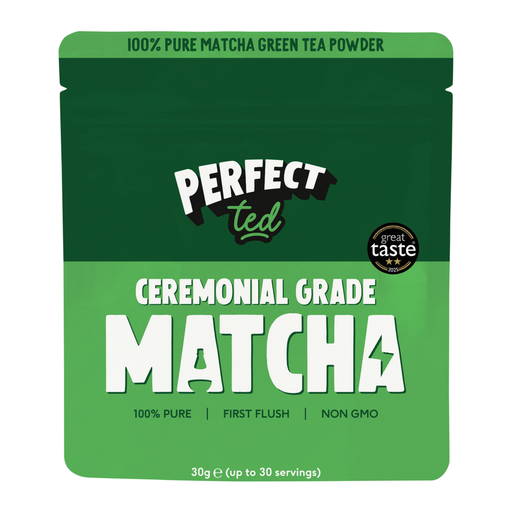
Why This Fits Their Persona: A straightforward 30g option for shoppers trying ceremonial matcha powder without committing to a larger quantity. It suits occasional whisked tea, home lattes and simple food preparation.
The compact pack helps reduce the risk of storing an opened pouch for too long. Its listed ingredient is ceremonial grade matcha at 100%.
30g net quantity; no listed allergens; suitable for tea, lattes and everyday recipes.
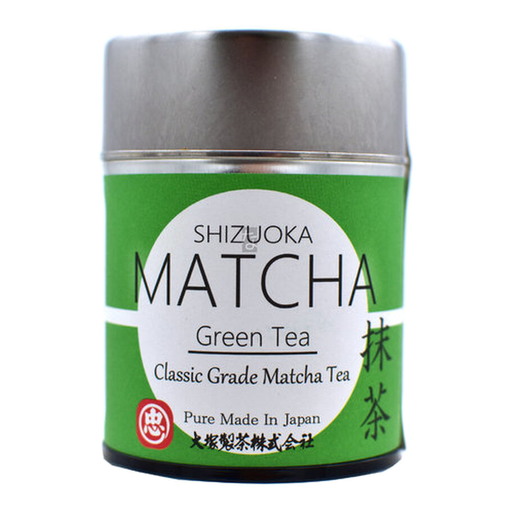
Why This Fits Their Persona: A Japanese-origin choice for tea drinkers who value traditional preparation and want a defined Shizuoka provenance in a compact can.
The listing specifies 100% matcha, shade-grown tencha leaves and traditional stone grinding, rather than relying only on a grade label.
Made in Shizuoka, Japan; no additives or preservatives; supplied in a resealable 30g can.

Why This Fits Their Persona: A small-format organic matcha for buyers who want to prioritise organic ingredients while preparing straight matcha or occasional premium matcha tea.
The listing identifies 100% organic matcha green tea powder and provides a stated 1g serving caffeine figure, giving shoppers more information than a vague wellness claim.
100% organic ingredient; fine powder intended for whisked tea; 30g aluminium storage tin.
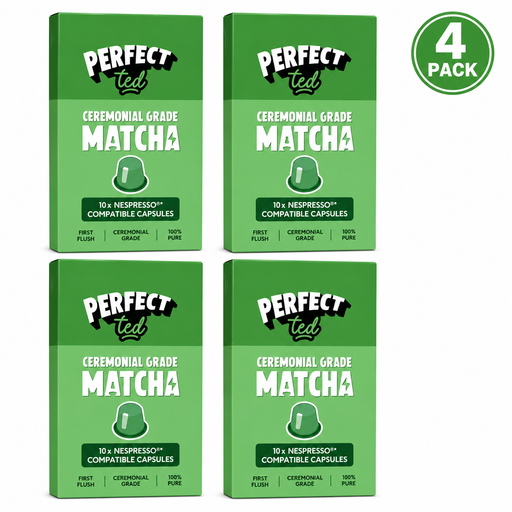
Why This Fits Their Persona: Designed for Nespresso Original machine owners who want single-serve preparation at home, in a UK office or during a busy morning routine.
The compatibility limitation is clearly stated: use only with Nespresso Original line machines. This helps avoid buying capsules for an incompatible device.
10 individually portioned pods; ceremonial grade matcha powder; no added sugar listed.
We have compiled a complete, real-time list of products that fully satisfy these strict selection criteria and UK safety regulations.
For traditional preparation, use approximately 1g of powder and water heated to around 70–80°C. Boiling water can make the flavour taste harsher. Sift the powder into a bowl, add a small amount of water and whisk briskly in a W or M motion until a fine layer of bubbles forms.
For matcha latte powder, whisk the matcha with a small amount of warm water first, then add steamed milk. If using it in smoothies or baking, mix it thoroughly with the liquid or dry ingredients to reduce clumping.
It can be worthwhile if you drink matcha straight and value a fine texture, balanced flavour and detailed origin information. If you mainly use matcha in cakes, sauces or smoothies, a culinary matcha may offer more practical value because other ingredients will influence the final taste.
There is no single lifespan for every product. Follow the best-before date and storage instructions on the packaging. Seal the container promptly, protect it from light and moisture, and refrigerate only when the manufacturer recommends it. Smaller packs can be sensible for occasional users.
No. Matcha tea pods have specific compatibility requirements. The Perfectted pods listed above are intended for Nespresso Original line machines only. Check your machine model before ordering, and do not use capsules that are split, damaged or dented.