Waking up with a stiff neck, aching shoulders or a dull headache is a frustratingly common experience. While many factors can contribute to this discomfort, the pillow you use every night plays a significant role. An unsupportive pillow can force your neck and spine out of alignment, leading to muscle strain and a poor night's sleep.
A well-designed cervical pillow can be a simple yet effective tool for managing this discomfort. However, the market is filled with options, making it difficult to know where to start. As the Joybuy Product Recommendation Officer, my role is to help you navigate these choices. This guide will break down what to look for in a cervical pillow for neck pain and highlight a few noteworthy options to help you find the right fit for your needs.
How to Choose the Right Cervical Pillow for Your Needs
Before looking at specific products, it's helpful to understand the key features that contribute to a pillow's effectiveness. Consider these points to narrow down your search.
1. Your Primary Sleeping Position
The way you sleep is the most important factor in choosing a pillow. The goal is to keep your head, neck and spine in a neutral line.
- Side Sleepers: If you sleep on your side, you need a pillow that is firm enough and high enough to fill the space between your ear and the outside of your shoulder. A memory foam pillow for side sleepers with a contoured design often works well, as it supports the neck while cradling the head.
- Back Sleepers: Back sleepers typically require a slightly lower and softer pillow than side sleepers. A contour pillow for back sleepers is often ideal, as it features a gentle curve that cradles the base of the skull and supports the natural curvature of the neck.
- Stomach Sleepers: This position can put significant strain on the neck. If you sleep on your stomach, a very thin, soft pillow—or no pillow at all—is usually recommended to prevent your head from being angled unnaturally upwards.
2. Material and Construction
The material of a pillow determines its feel, support and durability. Memory foam is a popular choice for an orthopaedic neck support pillow because it moulds to your unique shape, providing personalised support and pressure relief. Look for designs with different foam densities or layers, which can offer a combination of soft comfort and firm underlying support. Breathable covers are also essential for temperature regulation throughout the night.
3. Ergonomic Design Features
Modern pillows go beyond a simple rectangular shape. An ergonomic pillow for shoulder pain might include specific cut-outs or contours to accommodate your shoulders, allowing you to settle into a more natural position. These thoughtful design elements can significantly reduce strain on the muscles in your neck and upper back, helping to improve sleep quality over time.
Our Top Product Recommendations
Based on their design, features and user feedback, here are a few options that stand out for different needs.
Breo P2 Neck and Waist Massage Pillow
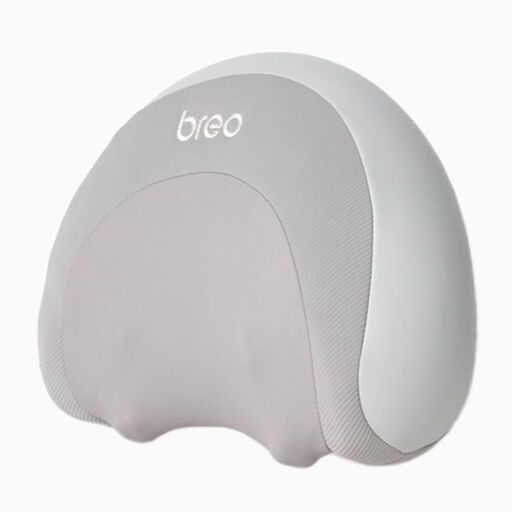
- Why It Stands Out: This product is more than just a pillow; it's an active relaxation device. It combines ergonomic support with a built-in heated shiatsu massager, designed to actively soothe muscle tension rather than just passively support the neck. The unique 1.15° Waving Range technology allows the massage heads to adapt to different body shapes for a better fit.
- Pros:
- Active Massage: Features three modes (Relaxation, Powerful and Sleep) to target muscle soreness.
- Adjustable Heat: A two-level warm compress system (40-45°C) helps to relax tight muscles, with an NTC sensor for stable temperature control.
- Ergonomic Shape: The wave-like curve and C-shaped contour are designed to support the neck and shoulders during massage.
- Who is it for: Individuals who suffer from significant muscle tension, knots and stiffness in their neck and shoulders and are looking for active relief before sleep or during the day.
Lebonsoir Ergonomic Neck Support Pillow
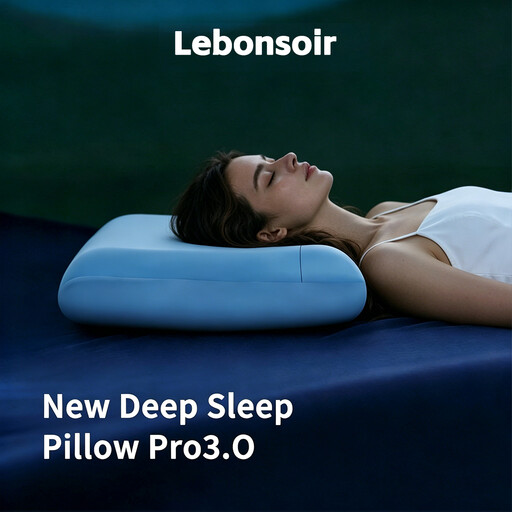
- Why It Stands Out: This pillow focuses on delivering balanced support through its sophisticated 3-layer foam construction. It combines a soft, slow-rebound top layer for comfort with firmer underlying layers for support and stability. This prevents the "sinking" feeling common with some memory foam pillows while ensuring proper spinal alignment.
- Pros:
- Layered Support: The multi-layer design provides an excellent balance of comfort and firm orthopaedic support.
- Versatile Ergonomics: The contour is suitable for side, back and even stomach sleepers, with a central depression designed to promote easier breathing.
- Temperature Regulating: The upgraded cover is breathable and moisture-wicking to help prevent overheating during the night.
- Who is it for: Anyone seeking a dedicated nightly pillow to address chronic neck or shoulder pain. Its balanced firmness makes it a great all-around option for improving sleep posture and comfort.
Beneunder LC612 Summer Full Support Travel Pillow
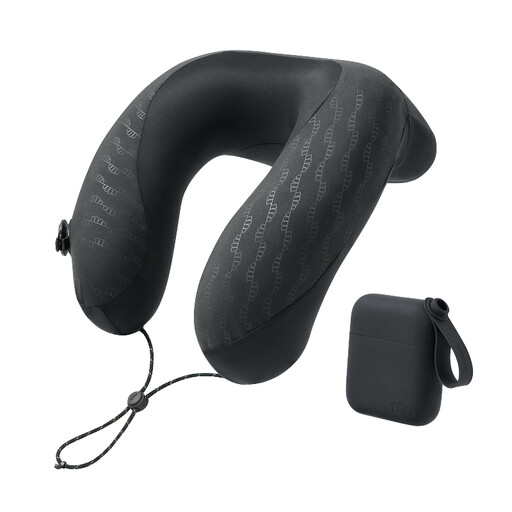
- Why It Stands Out: While designed for travel, the Beneunder LC612’s focus on ergonomic support makes it a versatile choice. Its key advantage is portability and adjustable firmness. The press-to-inflate mechanism is hygienic and convenient, while the 3-proof technology fabric ensures durability.
- Pros:
- Highly Portable: Inflates quickly without a mouthpiece and folds into a compact size for easy storage.
- Adjustable Firmness: You can easily control the amount of air to achieve your desired level of support.
- Durable and Comfortable: The fabric is soft, breathable, and designed to be leak-proof and resistant to wear.
- Who is it for: Frequent travellers, commuters or those who need occasional neck support while sitting upright (e.g., reading in bed or working from a chair). It's a practical solution for on-the-go support.
Looking for More Options?
Choosing a pillow is a highly personal decision, and what works for one person may not work for another. If our recommendations don't quite match what you're looking for, or if you'd like to browse a wider selection of designs and materials, we invite you to explore our full range of support pillows.
Frequently Asked Questions
How long does it take to get used to a cervical pillow?
There is often an adjustment period of a few nights to a week. Your body has become accustomed to your old sleeping posture, and it needs time to adapt to the new, healthier alignment provided by a supportive pillow. Start by using it for a few hours each night and gradually increase the duration.
Can a cervical pillow help with shoulder pain?
Yes, particularly for side sleepers. An ergonomic pillow for shoulder pain helps by maintaining a straight line from your neck to your spine. This prevents your head from dropping downwards, which would otherwise put strain on your shoulder and upper back muscles throughout the night.
How do I know which pillow height is right for me?
Pillow height, or "loft," depends on your sleeping position and body size. Side sleepers generally need a higher loft to fill the gap between their head and the mattress, while back sleepers need a lower loft. Look for pillows with different height contours or adjustable inserts to find the perfect fit for your frame.


