Everyday black-chai drinkers
If you regularly make spiced tea at home, start with the tea base and flavour ingredients. Pack count can then help you decide whether a smaller top-up or a larger cupboard supply fits how often you drink it.


Choose a black-tea chai for a familiar spiced tea that you can drink with or without milk; a masala blend is worth considering if its particular mix of spices and milk-preparation instructions appeal to you. If you want to avoid caffeine, look for a chai-style herbal infusion explicitly labelled caffeine-free instead, and check its ingredients: it will not taste the same as a black-tea blend.
If you regularly make spiced tea at home, start with the tea base and flavour ingredients. Pack count can then help you decide whether a smaller top-up or a larger cupboard supply fits how often you drink it.
Look for preparation instructions that fit the drink you intend to make. Tea India gives a simmered-milk method for its Masala Chai, while teapigs describes its black chai as suited to plenty of milk.
A herbal chai-style infusion is a different choice from black-tea chai. Pukka Vanilla Chai is labelled caffeine-free and contains liquorice root, so check that its full ingredient list suits you.
For a chai top-up, choose the tea base and preparation method first, then compare the ingredients and pack size of blends that meet those needs.
| Priority | What to check | Your needs |
|---|---|---|
| Tea base | Check for black tea in the ingredients, or an explicit caffeine-free label on a herbal infusion. Do not rely on the word “chai” alone. | I want to know whether I am buying black-tea chai or a caffeine-free herbal drink, particularly if I plan to have it in the evening. |
| Spice profile | Compare the named spices. Tea India Masala Chai lists ginger, cinnamon, cardamom, cloves, black pepper and anise; Pukka Vanilla Chai combines spices with fennel, vanilla and liquorice root. | For a spice-led black tea, I would look at the masala ingredients. If I prefer a vanilla-led herbal infusion, I would check the Pukka blend instead. |
| Preparation | Read the chosen pack’s brewing instructions and check whether it gives a milk method. Tea India provides both water-brewed and simmered-milk directions. | Will I usually brew a tea bag in water, or make a drink with plenty of milk? The instructions should suit the method I will actually use. |
| Pack and ingredients | Check the bag count against how often you make chai, and read the current pack’s ingredient and allergen information. Pukka Vanilla Chai contains liquorice root. | A smaller pack may suit an occasional cup; a larger one may fit a regular household top-up. If an ingredient matters to me, I need to check the pack I buy. |
Pukka Vanilla Chai is a caffeine-free herbal infusion, whereas the Tesco Finest, Tea India, Twinings and Sainsbury’s examples discussed here contain black tea. The distinction changes both the tea base and the ingredient profile.
Check for black tea in the ingredient list and look for explicit caffeine-free labelling if you need a herbal option.
A 20-bag pack and a 50-bag pack suit different rates of use. Bag count alone does not tell you whether you will enjoy the blend.
For an unfamiliar flavour, consider how many cups you expect to make before choosing a pack size.
The supplied directions differ: Twinings Classic Chai specifies a 2–3 minute water infusion, while Tea India also provides a simmered-milk method.
Follow the chosen pack’s instructions for your first cup, then adjust the preparation to your taste.
Chai recipes vary, and ingredients can change. Pukka Vanilla Chai lists liquorice root; NHS pregnancy guidance advises avoiding herbal teas containing liquorice root.
Read the physical pack’s ingredients and allergen information when buying. If pregnancy is relevant, follow the NHS guidance when considering a liquorice-root blend.
These distinctions concern the named chai products, rather than every blend offered by each brand.
Tesco Finest Chai is a 50-bag black-tea option for a regular cupboard top-up.
Its 20-bag chai is a smaller black-tea top-up option.
Classic Chai is a black-tea choice for a water-brewed spiced cup.
Vanilla Chai is a herbal alternative to conventional black-tea chai.
Organic Indian Chai is a black-tea option with a different named spice mix.
Its black chai is presented by teapigs as a spicy blend for a milk-heavy drink.
These options cover a vanilla herbal chai in sachets and an instant chai-latte powder. The powder is a different format from the tea-bag blends discussed above.
 No image available
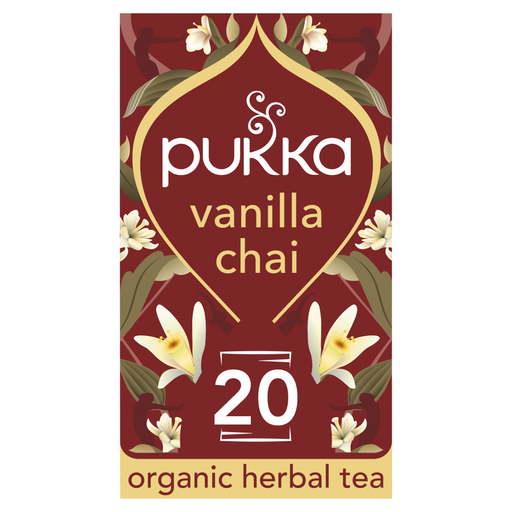
For a herbal chai-style top-up rather than black-tea chai, this blend is labelled caffeine-free. Its stated ingredients include cinnamon, ginger, cardamom, fennel, vanilla and liquorice root. NHS pregnancy guidance advises avoiding herbal teas containing liquorice root.
 No image available
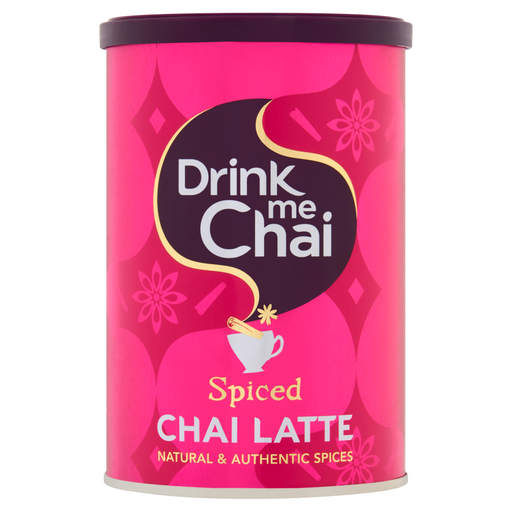
This instant powder is mixed with hot water to make a chai-latte-style drink, rather than brewed as a tea bag. Its stated ingredients include skimmed milk powder, instant black tea and cinnamon; check the pack if milk ingredients or caffeine affect your choice.
Start with a black-tea blend whose instructions suit your method. Tea India Masala Chai gives both a water-brewed method with milk added and a simmered-milk method; Sainsbury’s also gives a milk-simmering method for its black-tea chai.
Compare the actual ingredients rather than relying on the names. Tea India Masala Chai lists Assam black tea with ginger, cinnamon, cardamom, cloves, black pepper and anise, while Twinings describes ginger, cinnamon, cardamom and clove flavours in its Classic Chai.
No. The conventional blends discussed here contain black tea, but Pukka Vanilla Chai is labelled caffeine-free and is a herbal infusion. Check the label of the particular chai you intend to buy.
Check the current pack’s ingredients, particularly on herbal blends. Pukka Vanilla Chai lists liquorice root, and NHS pregnancy guidance advises avoiding herbal teas containing liquorice root.
No. Follow the directions for the blend you have chosen: Twinings Classic Chai specifies a 2–3 minute water infusion, while Tea India also offers a simmered-milk method. Preparation instructions are specific to the product.