Caffeine-conscious guests and hosts
For someone who wants to avoid caffeine, the useful distinction is between a blend containing black tea and an infusion explicitly labelled naturally caffeine-free. The word “chai” alone does not settle it.


For an older guest who wants to avoid caffeine, choose a chai-style infusion explicitly labelled naturally caffeine-free; it will not have the black-tea base of traditional chai. If they prefer black-tea chai, check the caffeine and ingredients, particularly liquorice where medicines are a concern, and ask about milk or other additions before serving.
For someone who wants to avoid caffeine, the useful distinction is between a blend containing black tea and an infusion explicitly labelled naturally caffeine-free. The word “chai” alone does not settle it.
Black-tea chai offers the familiar tea-and-spice combination, with blends that may include cinnamon, ginger, cardamom or cloves. Check the particular blend and ask whether the guest wants milk.
A guest’s ingredient sensitivities, allergies, medicines or prescribed fluid plan can change what is appropriate to serve. Check the current ingredients and additions rather than choosing on the basis of age alone.
Choose the tea base first, then check the spice blend and anything added when the drink is served.
| Priority | What to check | Your needs |
|---|---|---|
| Caffeine | Look for black tea or Assam tea in the ingredients, or an explicit naturally caffeine-free label. Twinings notes that the caffeine released from tea varies with tea type, water temperature and brewing time. | I want a spiced afternoon drink without caffeine, so I would choose an infusion labelled naturally caffeine-free rather than assume every chai is caffeine-free. |
| Spice profile | Compare the named ingredients on the pack. Clipper lists cinnamon, orange peel, cloves and fennel seed in its Indian Chai; Teapigs lists cinnamon, ginger, cardamom and vanilla alongside Assam tea in its Chai Tea. | A familiar black-tea-and-spice cup appeals to me, or I may prefer a chai-style infusion without the black-tea base. |
| Liquorice and allergens | Check the blend for liquorice and check milk, syrups or toppings added at serving. Pukka lists liquorice in Original Chai; NHS-linked GP practice information notes that black liquorice can interact with some medicines. | If a guest takes regular medicines or has an allergy, I want to confirm the ingredients before making their cup. |
| Serving and fluids | Ask whether the guest wants the chai plain, with milk or sweetened. Follow an individual fluid plan where one applies; NHS Sussex cautions that general hydration plans do not suit everyone, including people on a fluid-restricted diet. | I would rather offer a choice of additions than make a latte-style drink by default, and keep to any fluid instructions the guest already follows. |
Traditional chai can contain black tea. Teapigs describes its Chai Tea as an Assam black-tea blend, while its Pumpkin Spiced Chai is labelled naturally caffeine-free.
Read both the tea ingredients and the caffeine statement when choosing for someone who avoids caffeine.
Pukka lists liquorice in Original Chai. NHS-linked GP practice information notes possible interactions between black liquorice and some medicines; it does not establish the effect of a particular cup of chai.
If a guest has a relevant medicine concern, check the ingredients and ask their pharmacist before serving a liquorice-containing blend.
Milk changes the drink’s allergen information, and other additions change its ingredients. This matters when a guest has an allergy or is checking what goes into their drink.
Ask how the guest takes their chai. For a prepared café drink, request current ingredient and allergen information, including details of any toppings.
NHS Sussex notes that general hydration plans are not suitable for everyone, including people following a fluid-restricted diet.
Where a guest has an individual fluid plan, serve tea within that plan rather than encouraging extra cups on the basis of general guidance.
These brands illustrate different chai ingredients and tea bases; their mention here does not indicate which products are sold on Joybuy.
Pukka’s Original Chai is a reference for checking whether a spice blend contains liquorice.
Twinings describes chai blends combining black tea and aromatic spices.
Clipper Organic Indian Chai provides a clearly listed black-tea and spice combination.
Teapigs offers both an Assam black-tea Chai Tea and a separate Pumpkin Spiced Chai infusion labelled naturally caffeine-free.
These options include a herbal vanilla chai and two instant chai lattes. Compare their tea ingredients and serving formats before choosing for a guest.
 No image available
A sachet option for a guest who prefers a herbal vanilla chai. The product description calls it caffeine-free; its listed liquorice is worth checking if a guest has a medicine-interaction concern.
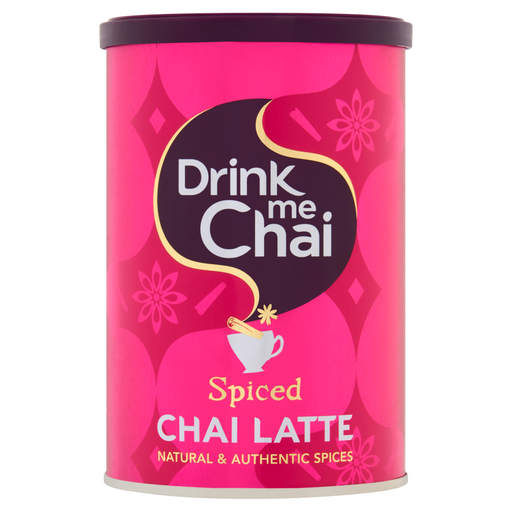 No image available
This powdered latte is prepared with hot water. Its product information identifies instant black tea and milk ingredients, and lists 63.9g sugars per 100g; check the pack’s serving information and caffeine details when those matter for a guest.
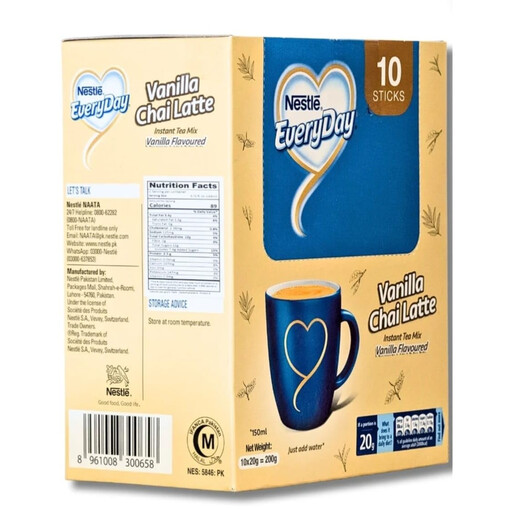 No image available
These single-portion sachets offer an instant vanilla chai latte format. The product information declares milk and soya and lists 11.4g sugars per portion; check the current pack for the spice ingredients and tea-extract details if either affects your choice.
Choose according to the guest’s preferences and caffeine needs, not age alone. Black-tea chai contains naturally occurring caffeine; an infusion explicitly labelled naturally caffeine-free is the clearer choice when they want to avoid it.
Tea can count towards general fluid intake. If the guest follows a prescribed fluid restriction or individual hydration plan, use that plan rather than a general daily drinks target.
Check before serving it to someone with a relevant medicine concern. Pukka lists liquorice in Original Chai, and NHS-linked GP practice information notes that black liquorice can interact with some medicines; that guidance does not establish the effect of a particular tea bag, so ask a pharmacist about an individual concern.
Ask for current ingredient and allergen information for the whole drink, including its milk, syrups and toppings. In the UK, GOV.UK guidance explains that food businesses must provide allergen information for prepacked and non-prepacked food and drink.
No: changing the brew does not make black tea a caffeine-free ingredient. Twinings notes that caffeine released into tea varies with brewing time, water temperature and tea type; choose a blend explicitly labelled naturally caffeine-free when avoiding caffeine is the priority.