For a strong weekend-breakfast chai served with milk, start with a black-tea blend described for a strong, spicy or latte-style cup, then follow its brewing directions. Tea India Masala Chai and teapigs Chai fit that description; a caffeine-free herbal chai is a different choice if avoiding caffeine matters more than having a black-tea base. Brands do not use a shared measure of flavour strength, so compare the ingredients and preparation rather than treating those descriptions as a direct strength ranking.
Who is this chai for?
Breakfast chai with milk
If you add milk and want the tea and spices to remain noticeable, compare black-tea chai blends whose makers or retailers describe a strong cup or suggest serving them with milk. Follow the directions for the blend you choose.
Shoppers choosing by spice
Look at the ingredient list if ginger, cinnamon, cardamom or cloves are important to your choice. Chai blends list different combinations, and an ingredient list alone does not establish how strong each spice will taste.
Shoppers avoiding caffeine
Check whether the chai contains black tea or is labelled as a caffeine-free herbal infusion. Black tea naturally contains caffeine, while a herbal chai-style drink will not have the same black-tea base.
What should you check?
For a milk-based breakfast cup, establish the tea base and suggested serving method first, then compare the spices, brewing directions and pack format.
| Priority | What to check | Your needs |
|---|
| Tea base and milk |
Check for black tea or Assam tea in the ingredients. Look for a milk or latte-style serving suggestion if that is how you will drink it. |
I add milk at breakfast and want a chai that is described for that kind of cup. |
| Spice character |
Compare named spices such as ginger, cinnamon, cardamom and cloves. Note other ingredients, including vanilla, pepper or anise, without assuming their flavour intensity from the list alone. |
A particular mix of spices matters more to me than the word “chai” on the pack. |
| Brewing time |
Follow the directions for the specific blend. teapigs says to brew its Chai for 3 minutes or more; Tesco lists a 2–4 minute recommendation for PG Tips Chai, with longer brewing suggested for a stronger cup. |
I can allow for the stated brew time before judging how the chai tastes with milk. |
| Caffeine |
Distinguish black-tea chai from a product explicitly labelled caffeine-free and herbal. Twinings notes that caffeine in tea can vary with tea type and preparation. |
Some mornings I want black-tea chai; on others, avoiding caffeine is the deciding factor. |
| Pack format |
Compare bag counts and the stated brewing method. The cited products include teapigs Chai in a 15-tea-temple pack and PG Tips Chai in a 70-bag pack. |
For regular household use, pack size matters; for an occasional breakfast, I may prefer a smaller pack. |
Common buying mistakes
-
Assuming every chai contains strong black tea
Products sold as chai include black-tea blends and herbal infusions. Pukka describes its Spiced Vanilla Chai as caffeine-free and herbal, unlike the black-tea blends cited here.
Read the tea base on the pack before choosing a blend for a strong, milk-based breakfast cup.
-
Treating strength descriptions as a shared scale
Sainsbury's describes Tea India Masala Chai as strong, while teapigs calls its Chai strong and spicy. Those descriptions do not establish which tastes stronger when brewed under the same conditions.
Use the descriptions alongside the tea base, spices, milk suggestion and brewing instructions.
-
Giving every blend the same short brew
Brewing directions differ: teapigs specifies at least 3 minutes for its Chai, while Tesco gives 2–4 minutes for PG Tips Chai and suggests longer brewing for a stronger cup.
Start with the directions for the product in your cup before deciding whether its flavour suits you.
-
Overlooking caffeine and ingredients
Black-tea chai contains caffeine, whereas a chai-style herbal product may be labelled caffeine-free. Ingredients also vary between blends.
Check the current pack for its tea base, ingredients and allergen information, including any additions used to make the drink.
Brand blends to compare
Tea India
Tea India Masala Chai is a black-tea and spice blend described by Sainsbury's as a strong masala chai to serve with milk.
- Tea India lists 73% black tea, with ginger, cinnamon, cardamom, cloves, black pepper and anise.
- Its black-tea base contains caffeine, and its listed spices may not suit someone seeking a vanilla-led blend.
teapigs
teapigs describes its Chai as a strong, spicy Assam black-tea blend that can be made with plenty of milk.
- The brand specifies a brew of at least 3 minutes and suggests a latte-style serving.
- The blend naturally contains caffeine; its stated brewing time is worth allowing for at breakfast.
PG Tips
PG Tips Chai is a 70-bag black-tea blend listed by Tesco with a 2–4 minute brewing recommendation.
- Tesco's product description says it can be brewed longer if a stronger cup is preferred.
- That preparation choice does not establish how its flavour strength compares with other chai blends.
Clipper
Clipper Indian Chai is an organic and Fairtrade black-tea blend sold in a 20-bag pack.
- Clipper lists cinnamon, orange peel, cloves and fennel seed alongside black tea.
- Choose it for those stated ingredients rather than assuming a particular level of strength with milk.
Twinings
Twinings Classic Chai is a black-tea chai with cloves, cardamom and flavourings described by the brand as ginger and cinnamon notes.
- Twinings lists black tea at 70% in Classic Chai.
- Twinings Strong English Breakfast is a separate breakfast tea, not a chai; its strong-tea description does not establish the strength of Classic Chai.
Chai-style options on Joybuy
The option shown here is a caffeine-free herbal chai-style drink for a weekend breakfast. It is an alternative to the black-tea chai blends discussed above, not a black-tea choice for a strong cup with milk.
 No image available
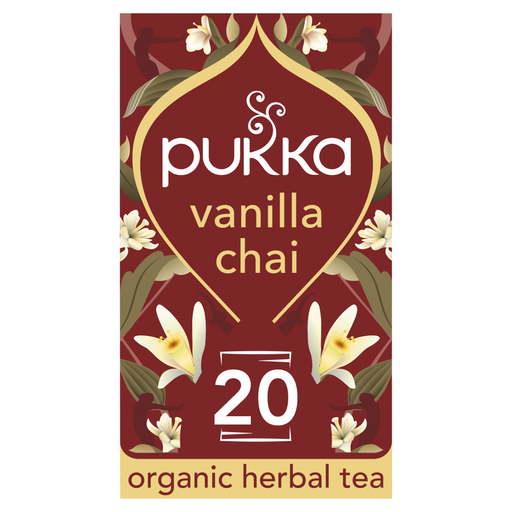
Pukka Vanilla Chai Herbal Tea, 20 sachets, 40g
Consider this herbal infusion if you want chai-style spices without black tea or caffeine. Its product description lists cinnamon, ginger, liquorice, fennel, cardamom and vanilla. Check the pack's brewing directions and decide whether the prepared flavour suits the breakfast cup you want, particularly if you plan to add milk.
View on Joybuy
Frequently asked questions
Can I make chai taste stronger without changing blends?
Start with that blend's brewing directions. teapigs specifies at least 3 minutes for its Chai; Tesco lists 2–4 minutes for PG Tips Chai and says it can be brewed longer for a stronger cup. Do not assume the same time applies to every chai.
Does chai always contain caffeine?
No. Black-tea chai naturally contains caffeine, but a chai-style herbal blend can be caffeine-free. Pukka labels its Spiced Vanilla Chai as a caffeine-free herbal tea; check the label of the particular product you are buying.
Does black chai count towards caffeine intake during pregnancy?
Yes, because black tea contains caffeine. NHS pregnancy guidance advises a maximum of 200 mg of caffeine a day from all sources and estimates 75 mg for a cup of tea; the amount in a particular chai can vary with the tea and how it is brewed.
What should I check if ingredients or allergens matter to me?
Read the current product's ingredient and allergen information, and check anything you add, such as milk or a latte mix. Chai recipes differ, so the name alone cannot tell you which spices or other ingredients are in a particular pack.


