Campers packing minimal equipment
Portioned bags or tea temples can brew in a mug without a loose-leaf strainer. Twinings gives freshly boiled water directions for Classic Chai, while Teapigs directs drinkers to use boiling water for its chai.


For a simple campsite brew, choose portioned chai bags if you will have freshly boiled water but no strainer. Black-tea chai contains caffeine, while Pukka describes its Vanilla Chai herbal blend as caffeine-free. Loose leaf calls for brewing equipment and a way to manage used leaves; a milk-led chai also needs a workable milk plan.
The useful distinction is how you will brew and serve the chai, not simply whether its name says ‘spiced’.
Portioned bags or tea temples can brew in a mug without a loose-leaf strainer. Twinings gives freshly boiled water directions for Classic Chai, while Teapigs directs drinkers to use boiling water for its chai.
Check the tea base before packing a morning or evening drink. Twinings explains that black tea naturally contains caffeine; Pukka describes its Vanilla Chai herbal blend as caffeine-free.
Decide how you will bring and store milk or an alternative before choosing a milk-led serve. Teapigs suggests plenty of milk for its chai, whereas Pukka says Original Chai can be drunk with or without milk and honey.
Start with the brewing kit and water you will have, then check the tea base, serving plan and exact ingredients.
| Priority | What to check | Your needs |
|---|---|---|
| Brewing format | Check whether the blend comes in bags, portioned tea temples or loose leaf. Read its water and brewing directions; Twinings Classic Chai specifies freshly boiled water and 2–3 minutes. | I want to make one mug without packing a strainer. If I take loose leaf, I will need a brewing tool and somewhere appropriate for the used leaves. |
| Caffeine | Look for black tea in the ingredients or an explicit caffeine-free statement on the exact blend. Twinings says black tea naturally contains caffeine; Pukka describes Vanilla Chai as caffeine-free. | For a drink when I want to avoid tea-derived caffeine, I would choose an explicitly caffeine-free herbal blend rather than rely on the word ‘chai’. |
| Flavour and serving | Compare the listed spices and any milk directions. Clipper Indian Chai lists orange peel and fennel; Twinings Spicy Chai lists black peppercorns. Pukka says Original Chai works with or without milk, while Teapigs suggests serving its chai with plenty of milk. | I can choose a spice profile before the trip and decide whether a milk-led drink fits my food-storage plans. |
| Ingredients and diet | Read the current pack for its full ingredients, allergen information and any dietary statements. Check for ingredients such as milk or liquorice rather than assuming blends with similar names have the same contents. | If an ingredient matters to me, I want to check the exact pack before travelling, when changing my food plan may be difficult. |
Black-tea chai contains naturally occurring caffeine, according to Twinings, while Pukka describes its Vanilla Chai herbal blend as caffeine-free.
Check the named tea base or an explicit caffeine-free statement on the blend you intend to pack.
Twinings Spicy Chai is loose leaf and is measured by the teaspoon; it cannot be handled like a portioned bag in a mug.
Take a strainer, infuser or suitable pot, and plan what to do with the wet leaves. Otherwise, choose a portioned format.
A loose-leaf brew adds equipment to carry and leaves to manage after each cup.
Teapigs suggests serving its chai with plenty of milk, whereas Pukka says Original Chai can be drunk without it.
If you want a milk-led drink, plan the milk or alternative and any storage it requires. For a water-only brew, check the directions for the exact blend.
Clipper describes its tea bags as plant-based and industrially compostable. That does not make a campsite an appropriate place to discard them.
Pack out used bags and leaves unless the campsite provides and permits a suitable waste route.
These named blends show how preparation and ingredients can differ; check the particular pack rather than applying one blend’s details to an entire brand.
Original Chai and Vanilla Chai offer different serving and caffeine choices.
Classic Chai comes in envelopes for mug brewing; Spicy Chai is a separate loose-leaf blend.
Indian Chai is a bagged black-tea blend with cinnamon, orange peel, cloves and fennel seed listed by Clipper.
Teapigs chai uses Assam black tea and is supplied in portioned tea temples.
These options cover a hot-water chai latte powder containing milk and a portioned herbal chai for a caffeine-free drink. Check which preparation fits your campsite kit and ingredients needs.
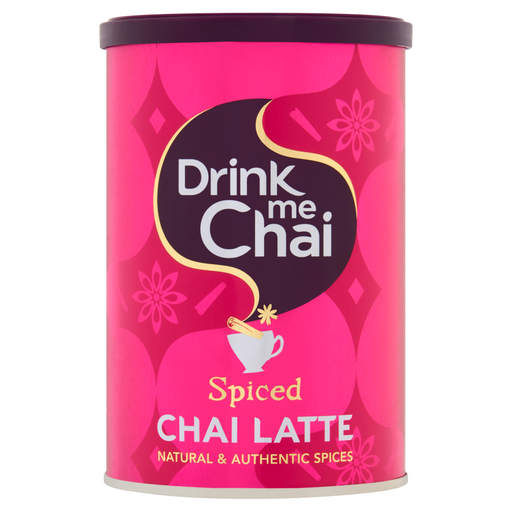 No image available
This chai latte powder mixes with hot water, so it is an option when you want that style of drink without packing milk separately. It contains milk; check the ingredient and allergen information if you need to avoid it.
Check the pack’s mixing directions to work out how much powder and water to take.
 No image available
The portioned herbal sachets avoid loose-leaf straining. Pukka describes this Vanilla Chai blend as caffeine-free.
It contains liquorice. Check the current pack’s ingredients and brewing directions before packing it.
Choose bags or portioned tea temples if you want to brew in a mug without a strainer. Twinings gives mug-brewing directions for Classic Chai, while its loose-leaf Spicy Chai calls for a brewing tool and a plan for used leaves.
No. Twinings explains that black tea naturally contains caffeine, but ‘chai’ does not identify a single tea base. Pukka describes its Vanilla Chai herbal blend as caffeine-free, so check the exact product rather than judging by the flavour name.
Yes, when the chosen blend’s directions allow it. Pukka says Original Chai can be drunk with or without milk and honey; Teapigs suggests plenty of milk for its chai. If you plan a milk-led serve, arrange the milk or alternative and its storage separately.
Read the current pack’s ingredients and allergen information for the exact chai before travelling. The blend name alone will not tell you whether it contains ingredients such as milk or liquorice, and formulations can differ between products.
Yes, if liquorice is relevant to your medicines or other personal considerations. Check the exact blend’s ingredients; if you are unsure whether liquorice is appropriate for you, ask a pharmacist or clinician rather than assuming its presence in chai makes no difference.