Small car boot refreshment sellers
If you have a limited menu and a temporary pitch, choose a preparation method that fits your hot-water supply, serving pace and ability to keep ingredient information to hand.


Choose chai tea bags if you can allow time for brewing and want to offer milk or sugar separately. An instant chai-latte powder is another option if you can measure, mix and serve each drink consistently; check its ingredients and allergens before using it at a stall. Neither format removes the need to check the food-service arrangements that apply to your pitch.
If you have a limited menu and a temporary pitch, choose a preparation method that fits your hot-water supply, serving pace and ability to keep ingredient information to hand.
A black-tea chai and a caffeine-free herbal chai need distinct descriptions. Sainsbury’s describes Pukka Vanilla Chai as a caffeine-free herbal infusion, while Twinings describes its Classic Chai as black tea.
Compare the brewing time and pack count of tea bags with the measuring and stirring required for powder. Tesco lists a 50-bag chai pack, Tea India a 40-bag pack, and Drink Me Chai gives a hot-water method for its 1 kg powder.
Choose when: You have boiling water, can allow brewing time and want to offer milk or sugar separately.
Allow for: Brewing each cup and handling any milk you offer alongside it.
Choose when: A measured, stirred drink fits the equipment and service routine at your pitch.
Allow for: Checking the exact powder’s recipe and allergens, as well as keeping scoops and stirring equipment clean.
| Priority | What to check | Your needs |
|---|---|---|
| Preparation | Check your hot-water supply, brewing time and stirring equipment. Tea India specifies a 3–5 minute infusion for its 40-bag masala chai; Drink Me Chai specifies one scoop, 200 ml of hot water and 30 seconds of stirring for its 1 kg powder. | I need a method I can repeat at a temporary pitch without holding up other orders. |
| Drink type | Read the tea base and current ingredients. Twinings Classic Chai is black tea, while Sainsbury’s describes Pukka Vanilla Chai as a caffeine-free herbal infusion; do not assume a chai-latte powder is dairy-free. | If I offer a caffeine-free choice, I want visitors to be able to tell it apart from black-tea chai. |
| Ingredients and service | Keep the current packaging available and account for additions such as milk. The Food Standards Agency’s food-safety guidance calls for facilities suited to the heating, cooling and storage needs of the operation. | I want to know what goes into each drink and have a workable setup if I serve milk. |
| Pack size | Compare the stated bag count with the drinks you plan to prepare; a powder pack’s weight alone does not tell you its per-cup dose or yield. Tesco lists 50 chai bags, Tea India 40 and Sainsbury’s lists 20 Pukka Vanilla Chai bags. | For repeated orders, I need enough portions without treating pack weight as a serving count. |
Black-tea chai, herbal chai and chai-latte powder are different choices. A flavour name alone does not establish whether a drink is caffeine-free or contains milk ingredients.
Check the current pack before describing a drink to customers. Use a caffeine-free description only for a product whose packaging supports it.
A powder needs a repeatable dose, liquid measure and stirring method. A larger pack does not by itself establish how many drinks you can make.
Check the instructions for the exact pack and try the method with the equipment you intend to bring. Drink Me Chai specifies one scoop, 200 ml of hot water and 30 seconds of stirring for its 1 kg Spiced Chai Latte.
The Food Standards Agency says that people who sell or supply food and handle or prepare it may be considered a food business and may need to register. The answer depends on the activity and location; a small pitch does not settle it.
Ask the relevant local authority and car boot organiser what applies before trading. Keep ingredient packaging available and plan how you will handle any milk used in service.
These examples show how pack format and preparation differ; they do not indicate which products a particular stall can obtain.
Tesco lists its Finest Chai in a 50-bag, 125 g pack.
Sainsbury’s lists Tea India Masala Chai in a 40-bag pack, with water-brewed and milk-brewed instructions.
The maker offers a 1 kg Spiced Chai Latte powder and gives a scoop-and-stir hot-water method for that pack.
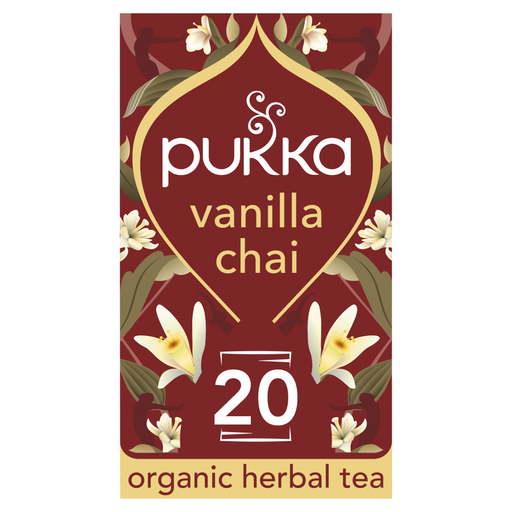
Sainsbury’s describes Pukka Vanilla Chai as a caffeine-free, vegan herbal infusion in a 20-bag pack.
Twinings describes Classic Chai as a spiced black-tea blend sold in a 20-envelope pack.
Clipper lists an Organic & Fairtrade Indian Chai black tea in a 20-bag pack.
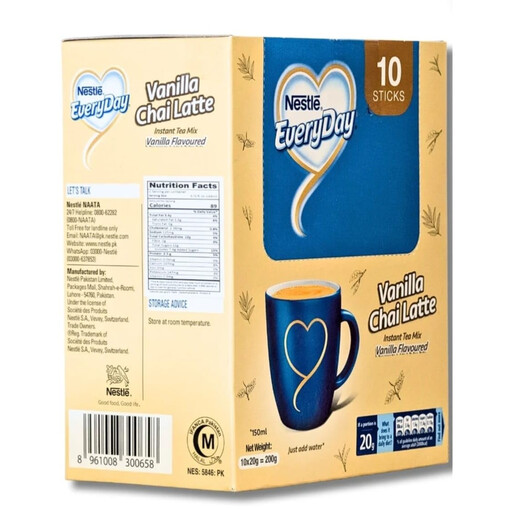
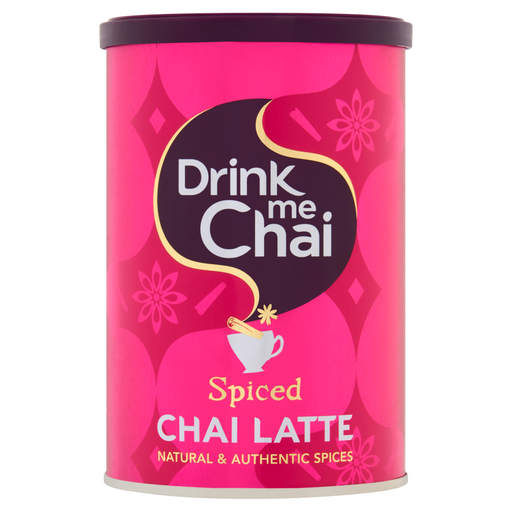
These options cover individually portioned chai latte, a chai-latte powder tin and a herbal chai for visitors seeking a caffeine-free choice. Check the preparation instructions and current ingredients for the product you use.
 No image available
The individually portioned sachets offer a way to plan drinks at a small stall. Check the pack’s water measure, preparation instructions and allergens before settling on a serving method.
 No image available
A powder tin is worth considering if measuring and stirring fit your stall setup. Use the instructions and ingredients on this 250 g tin to check the dose, likely number of servings and allergens; do not use the separate 1 kg pack’s method as its instructions.
 No image available
This herbal infusion offers a distinct choice alongside black-tea chai: Sainsbury’s describes Pukka Vanilla Chai as caffeine-free. It is a 20-sachet pack, not a black-tea blend; check its pack instructions when planning brewing time.
Choose by the work you can manage for each drink: tea bags need brewing time, while powder needs a repeatable measuring and stirring method. If you offer milk separately with brewed tea, plan how you will handle it; for powder, check the exact pack’s instructions and ingredients before service.
Registration may be required, depending on your activity and location. For England, Northern Ireland and Wales, Food Standards Agency guidance says people who sell or supply food and handle or prepare it may be considered a food business; where registration is required, its registration service says to register with the local authority at least 28 days before trading or food operations start. Ask the relevant local authority and event organiser what applies to your pitch, particularly if you are trading in Scotland.
Keep the current packaging for every tea, powder and addition you use, so you can identify the ingredients in the drink you serve. Check milk and other allergens in the exact products rather than relying on the word “chai” or on another product’s recipe.
No. Twinings describes Classic Chai as a black-tea blend, whereas Sainsbury’s describes Pukka Vanilla Chai as a caffeine-free herbal infusion. Check the individual pack before labelling a stall drink caffeine-free.
Milk becomes part of the drink’s ingredient information, and its handling needs to fit your preparation and service method. Food Standards Agency food-safety guidance calls for appropriate heating, cooling, refrigeration and temperature-monitoring facilities where the operation requires them; discuss your temporary setup with the relevant local authority.