Hosts stocking a shared drinks tray
Portioned bags or sachets let guests make one cup at a time. If the tray is intended for guests with different caffeine preferences, distinguish black-tea chai from a clearly labelled caffeine-free choice.


For a shared holiday-cottage kitchen, individually portioned chai is straightforward for guests to prepare. Stocking a black-tea chai alongside a clearly labelled caffeine-free herbal chai gives guests different choices; if milky chai is the main aim, look for a blend with milk-serving instructions. Keep the current packaging available so guests can check ingredients and preparation directions.
Portioned bags or sachets let guests make one cup at a time. If the tray is intended for guests with different caffeine preferences, distinguish black-tea chai from a clearly labelled caffeine-free choice.
A blend with explicit milk-serving guidance is a more informed choice for this use than choosing by the word ‘chai’ alone. Tea India gives a simmered-milk method, while teapigs describes its black chai as suitable with plenty of milk.
They need a product explicitly identified as caffeine-free, such as Pukka Vanilla Chai, rather than an assumption that any spiced tea is caffeine-free.
Start with how guests will make a cup, then choose the tea base and serving style. For a shared tray, make the pack instructions and ingredient information easy to find.
| Priority | What to check | Your needs |
|---|---|---|
| Self-service preparation | Check whether each portion needs only hot water or calls for simmered milk. Leave the product’s own brewing or mixing directions with it. | I want guests to make a cup with the kitchen equipment provided, without having to measure loose tea. |
| Milk and flavour | Compare the tea base and listed spices. For milky chai, look for explicit milk-serving guidance: Sainsbury’s Tea India listing gives a 3–5 minute simmered-milk method. | Will guests drink chai without milk, or are they expecting a milky, spice-led cup? |
| Caffeine choice | Distinguish black-tea blends from products explicitly labelled caffeine-free. Do not assume an instant chai-latte mix has either status without checking its pack. | I would like a separate option for guests who avoid caffeine, rather than treating every chai as interchangeable. |
| Ingredients | Check the pack received for its current ingredients and allergy advice. Pukka Vanilla Chai contains liquorice root; NHS pregnancy guidance advises avoiding teas containing it. | Guests need access to the packaging so they can check whether a drink suits their own requirements. |
Black-tea chai and a caffeine-free herbal blend serve different preferences. A tray containing only black chai offers no clearly caffeine-free choice.
Identify each product by its stated caffeine status, and add a separately labelled caffeine-free option if guests need one.
Chai products have different tea bases and spice combinations. Tea India supplies a simmered-milk method, and teapigs describes its black chai as suitable with plenty of milk.
If milky chai is the aim, choose a product with milk-serving guidance and follow its preparation instructions.
Pukka Vanilla Chai contains liquorice root. NHS pregnancy guidance advises avoiding teas containing liquorice root.
Leave the ingredient list available and do not present a herbal label as a blanket suitability assurance.
Recipes and pack information can change, so an earlier online listing may not describe the product in the kitchen.
Check the received pack’s ingredients, allergy advice, best-before date and storage instructions before a guest stay, and retain the packaging.
These brand examples illustrate different chai styles; they are not a list of products in the Joybuy selection below.
Vanilla Chai is a herbal alternative to black-tea chai; Pukka describes it as caffeine-free.
Classic Chai is a black-tea option with ginger, cinnamon, cardamom and clove flavours.
Masala Chai is a black-tea option with a documented method for preparing it with milk.
The brand describes its chai tea temples as a strong, spicy black chai suited to plenty of milk.
Indian Chai takes a different ingredient route from cardamom-led blends.
These options cover a portioned herbal chai and two instant chai-latte formats for a self-catering kitchen. Check each pack for its own ingredients and preparation directions; an instant mix should not be treated as interchangeable with a black-tea bag.
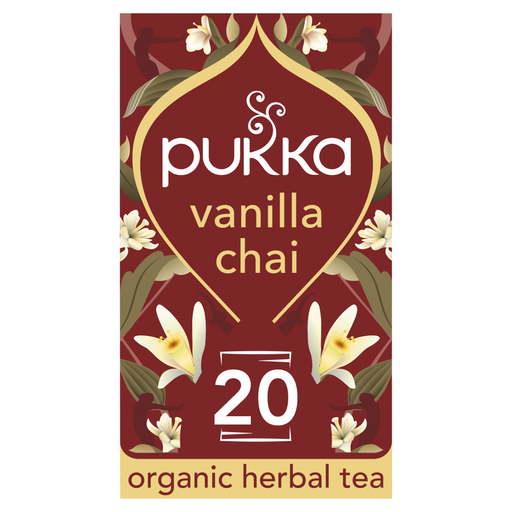 No image available
A portioned herbal option for a shared tray: Pukka describes Vanilla Chai as caffeine-free. It contains liquorice root, which NHS pregnancy guidance advises avoiding in tea; retain the pack so guests can check its ingredients and brewing directions.
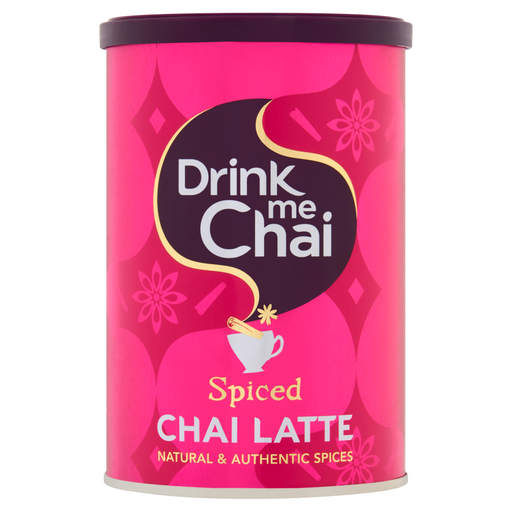 No image available
This chai-latte powder offers a hot-water mixing route rather than a tea-bag brew. It contains milk ingredients, so leave the pack available for allergy checks and follow its directions for the quantity to mix; check its caffeine information if that matters to guests.
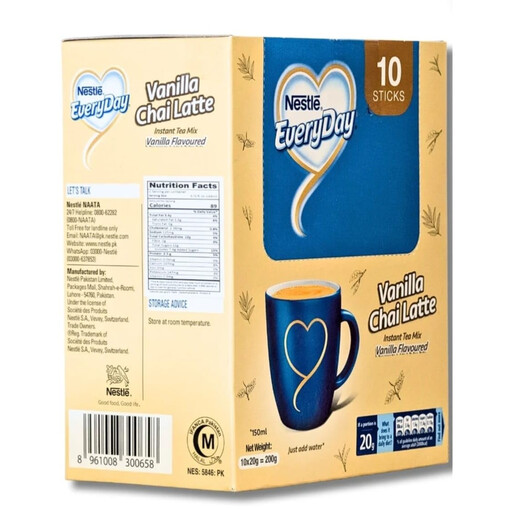 No image available
Individual sachets offer another portioned instant-drink format for a shared kitchen. This product contains milk and soya; keep its allergy and mixing instructions accessible, and check the pack rather than assuming a particular spice blend or caffeine status.
A black-tea chai and a separately labelled caffeine-free herbal chai cover two distinct preferences when there is room for both. If guests are likely to make chai with milk, check that the chosen black-tea blend includes milk-serving guidance.
A bagged chai with hot-water brewing instructions can be prepared that way. Check the individual pack: Tea India also gives a different method that involves simmering its bags in milk or a dairy-free alternative.
Look for a blend whose instructions or description explicitly mention milk. Sainsbury’s gives a simmered-milk method for Tea India Masala Chai, while teapigs describes its black chai as suitable with plenty of milk.
Yes: a black-tea chai is not a caffeine-free herbal infusion. Twinings notes that the amount of caffeine in a cup of tea varies with the tea and brewing conditions, so choose a product explicitly labelled caffeine-free when avoidance matters.
Keep the current packaging available so guests can read its ingredients and allergy advice themselves. Check the pack received before stocking the cottage, as retailer listings warn that product ingredients can change.