Who is each format for?
The useful distinction is not simply pod versus tea bag: consider who prepares the drink and what they need to control.
Someone who already uses a Dolce Gusto machine
A compatible chai pod may make preparation familiar. Check that the person can use the machine safely, then read the exact pack for ingredients, allergens and prepared-drink nutrition rather than assuming all chai latte capsules share a recipe.
Someone with a poor appetite or hydration concerns
A chai drink can form part of fluid intake, but it is not a nutrition plan. The British Nutrition Foundation advises seeking individual advice for a small appetite, weight loss or swallowing difficulty; the British Geriatrics Society also identifies fluid intake and medicines among considerations in older adults’ nutrition assessments.
Someone who wants control over caffeine or additions
A caffeine-free herbal chai bag avoids black-tea caffeine, while a black-tea chai bag lets the drinker decide whether to add milk or sugar. Check the herbal ingredients too: Tesco lists liquorice root in Pukka Vanilla Chai.
What should you check before buying?
Choose the preparation format first, then check the exact product and the person’s dietary or practical requirements.
Chai latte pods
Consider when: the person already uses a compatible machine and prefers a repeatable preparation.
Trade-off: the fixed recipe leaves less room to choose the milk or adjust the sweetness; check the current pack.
Caffeine-free herbal chai bags
Consider when: chai-style flavour is wanted without black-tea caffeine.
Trade-off: preparation needs hot water and steeping, and herbal ingredients can matter; Pukka Vanilla Chai contains liquorice root.
Black-tea chai bags
Consider when: black tea is acceptable and the drinker wants to add milk or sugar separately.
Trade-off: this is not caffeine-free, and tea timing matters for someone following iron-deficiency dietary advice.
| Priority |
What to check |
Your needs |
| Machine compatibility |
Match the pod to the machine system. Drink Me Chai instructs users of its Spiced Chai Latte Pods to set a Dolce Gusto machine to 6 bar; do not assume another capsule system will work. |
I already have a machine I can use safely, and I want to know that these particular pods fit it. |
| Prepared-drink nutrition |
Compare the current pack’s values per prepared serving and its serving size. Nestlé Family lists 11.6g sugars per 220ml cup for its NESCAFÉ Dolce Gusto Chai Tea Latte formulation; that figure does not describe other chai pods. |
If sugar or other nutrients matter to my diet, I need figures for the drink I would actually prepare, not a different brand’s capsule. |
| Ingredients and allergens |
Read the full ingredient and allergen information for the exact pack. Nestlé Family’s chai latte example lists milk and soya; tea bags and other pods can have different ingredients. |
I need to know whether the specific product fits an allergy, intolerance or preference about adding milk. |
| Tea base and herbal ingredients |
Distinguish black tea from a caffeine-free herbal infusion. Tesco describes Twinings Classic Chai as black tea and Pukka Vanilla Chai as caffeine-free; the Pukka blend contains liquorice root. |
I may want to avoid black-tea caffeine, but I also need to check herbal ingredients against my circumstances and medicines. |
| Tea around meals |
For someone following iron-deficiency dietary advice, University Hospitals Coventry and Warwickshire NHS Trust advises avoiding tea or coffee within one hour before or after meals. |
If I have been given that advice, I need to consider when I drink black-tea chai, not just which flavour to buy. |
| Fluid intake and appetite |
Consider how the drink fits an individual fluid and nutrition plan. The NHS says tea and coffee count towards fluid intake; the British Nutrition Foundation advises seeking help for weight loss, a small appetite or swallowing difficulty. |
I want a drink the person enjoys, without relying on chai to address an appetite, swallowing or fluid-intake problem on its own. |
Brand and product-line references
These examples illustrate different chai formats and labels; a brand name alone does not establish that every product in its range has the same ingredients.
Drink Me Chai
The brand gives Dolce Gusto preparation instructions for its Spiced Chai Latte Pods.
- A named pod option for someone checking compatibility with an existing Dolce Gusto machine.
- Check the current pod pack’s ingredients, allergens and prepared-drink nutrition for the intended drinker.
NESCAFÉ Dolce Gusto
Nestlé Family describes a Chai Tea Latte made with one tea capsule and one milk capsule per 220ml serving.
- Its published formulation provides a concrete example of why serving size and ingredients matter when comparing capsules.
- Its milk, soya and nutrition details apply to that formulation, not to every Dolce Gusto-compatible chai product.
Pukka
Tesco describes Pukka Organic Vanilla Chai as a caffeine-free herbal tea bag containing spices and liquorice root.
- A non-pod route when avoiding black-tea caffeine and choosing whether to add milk.
- Check with a GP or pharmacist about frequent liquorice use if heart disease, high blood pressure or potentially interacting medicines are relevant.
Twinings
Tesco lists Twinings Classic Chai as a black-tea blend whose preparation leaves milk and sugar to the drinker.
- Milk and sugar can be added separately rather than arriving as part of a latte capsule.
- It is not caffeine-free. Tea timing should be considered when following iron-deficiency dietary advice.
Tesco
Tesco’s chai tea listings provide examples of tea-bag alternatives, including Pukka and Twinings products.
- Product listings can help compare named tea formats and their stated ingredients.
- Check each product separately for its ingredients and preparation method; a chai tea bag is not a machine pod.
Joybuy chai options
These options cover two ways to make chai without a pod machine: a herbal tea bag and an instant chai latte powder. Neither is a substitute capsule for a Dolce Gusto machine.
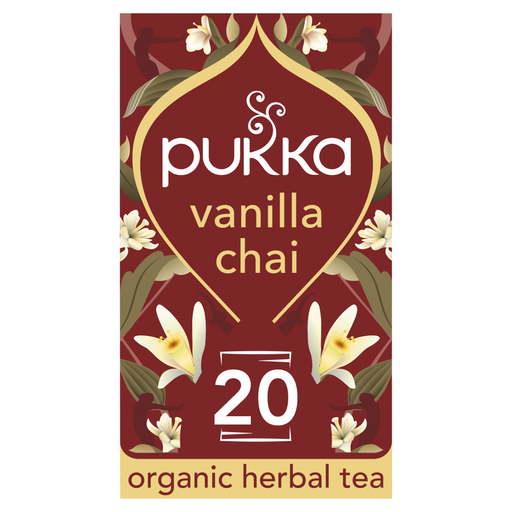 Image unavailable
Pukka Vanilla Chai, 20 herbal tea sachets, 40g
A tea-bag alternative for someone seeking chai flavour without a pod machine or black-tea caffeine. Tesco describes Pukka Vanilla Chai as a caffeine-free herbal infusion containing liquorice root; check the pack and seek individual advice about frequent use if relevant heart, blood-pressure or medicine concerns apply.
View on Joybuy
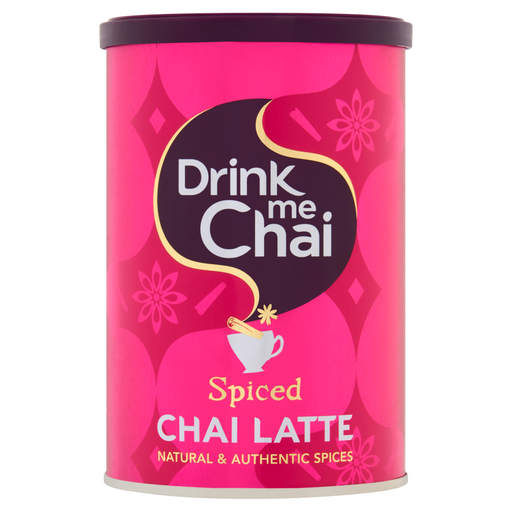 Image unavailable
Drink Me Chai Spiced Chai Latte 250g
An instant chai option for making a drink without a capsule machine. This 250g product is not Drink Me Chai’s Spiced Chai Latte Pods; check its own current preparation directions, ingredients and nutrition per prepared serving before choosing it for someone with dietary restrictions.
View on Joybuy
Questions about chai and older adults
Does chai count towards an older person’s fluid intake?
Yes. The NHS says tea and coffee count towards fluid intake. If the person has a prescribed fluid restriction, swallowing difficulty, weight loss or a persistently poor appetite, follow individual advice rather than relying on chai to meet their needs.
Can you judge a chai pod’s sugar content from its name?
No. Check the exact pack’s nutrition information per prepared drink. Nestlé Family lists 11.6g sugars per 220ml cup for its NESCAFÉ Dolce Gusto Chai Tea Latte formulation, but that value cannot be applied to another pod.
Do chai latte capsules contain milk or soya?
Some do: Nestlé Family lists milk and soya ingredients for its NESCAFÉ Dolce Gusto Chai Tea Latte formulation. For an allergy or intolerance, check the ingredient and allergen information on the exact product’s current pack before use.
When should someone following iron-deficiency advice drink black-tea chai?
University Hospitals Coventry and Warwickshire NHS Trust advises people following dietary advice for iron-deficiency anaemia to avoid tea or coffee within one hour before or after meals. That timing is relevant to black-tea chai such as Twinings Classic Chai; do not assume every herbal infusion has the same tea base.
Is caffeine-free herbal chai automatically suitable for everyone?
No. Tesco lists Pukka Vanilla Chai as caffeine-free, but its ingredients include liquorice root. Anyone with heart disease, high blood pressure or concerns about medicine interactions should ask a GP or pharmacist about frequent liquorice use.


