Chai drinkers who add plenty of milk
If milk makes your usual chai taste too mild, look for a black-tea blend with an explicit milk-friendly description. teapigs calls its Chai strong and spicy and suggests serving it with lots of milk, latte style.


For a winter chai served with plenty of milk, start with a black-tea blend whose maker explicitly describes it as strong and milk-friendly; teapigs makes that claim for its Chai. Twinings describes Chai Ultra Spice as bold and spicy, but spice intensity does not establish a stronger brewed tea. If avoiding caffeine matters more, Pukka labels its Spiced Vanilla Chai caffeine-free, though it is a herbal drink rather than a black-tea chai.
The useful meaning of ‘strong’ depends on whether you want noticeable black tea after adding milk, prominent spices or a caffeine-free winter drink.
If milk makes your usual chai taste too mild, look for a black-tea blend with an explicit milk-friendly description. teapigs calls its Chai strong and spicy and suggests serving it with lots of milk, latte style.
If ‘strong’ means cinnamon, cardamom, clove and ginger flavour, consider an extra-spiced blend. Twinings describes Chai Ultra Spice as bold and spicy; that description is not a measurement of brewed black-tea strength.
Pukka labels its Spiced Vanilla Chai caffeine-free. It offers a herbal, spiced option rather than the black-tea base of a conventional chai, and its ingredients include liquorice.
Decide first whether black-tea character, pronounced spices or a caffeine-free herbal drink matters most. Then check the exact blend and how you plan to serve it.
| Priority | What to check | Your needs |
|---|---|---|
| Chai with milk | Look for black tea in the ingredients and an explicit milk-friendly serving suggestion. Consider how much milk you normally add. | I add plenty of milk and want to choose a blend intended for that serving style. teapigs describes its Chai as strong and spicy and suitable with lots of milk. |
| Spice and tea body | Check which spices or flavourings are named, and distinguish a bold-spice description from a claim about brewed tea strength. | For me, ‘strong’ might mean prominent spice rather than a stronger black-tea brew. Twinings describes Chai Ultra Spice as bold and spicy, not as a measured increase in tea strength. |
| Caffeine preference | Check for black tea in the ingredient list or an explicit caffeine-free label on the exact blend. | An evening cup without caffeine matters more to me than a black-tea base. Pukka labels Spiced Vanilla Chai caffeine-free; it is a herbal chai. |
| Ingredient fit | Read the full ingredient list for spices, flavourings and ingredients you avoid. Do not assume all products called chai share a recipe. | I want to know what gives the drink its flavour: Clipper lists orange peel and fennel in its Organic Indian Chai, while Pukka Spiced Vanilla Chai includes liquorice. |
A pronounced cinnamon or ginger flavour does not tell you how much black-tea character you will notice, particularly after adding milk.
If tea body is your priority, check for a black-tea base and look separately for an explicit strong or milk-friendly description. Twinings positions Chai Ultra Spice around bold spice flavour; teapigs specifically describes its Chai as strong and suitable with lots of milk.
Black-tea chai and caffeine-free herbal chai meet different preferences for an evening drink and have different tea bases.
Check the exact pack for black tea or a caffeine-free statement. Twinings Chai Ultra Spice and Clipper Organic Indian Chai contain black tea; Pukka labels Spiced Vanilla Chai caffeine-free.
Spice and other ingredient choices vary between blends, so the name alone cannot tell you whether a drink contains liquorice or the flavours you prefer.
Compare ingredient lists: Clipper Organic Indian Chai lists orange peel and fennel, while Pukka Spiced Vanilla Chai includes liquorice.
A large pack commits you to one flavour profile before you know how it tastes with your preferred amount of milk.
Try a smaller pack first if the blend is unfamiliar, particularly when milk-friendly strength is the reason you are buying it.
These brand descriptions refer to the named blends, not every chai each brand makes.
Its Chai is a black-tea option for a cup served with plenty of milk.
Classic Chai and Chai Ultra Spice offer different ways to shop for a black-tea chai.
Organic Indian Chai is a black-tea blend with named spices.
Its named chai blends include both a black-tea option and a caffeine-free herbal option.
These options cover a quick-to-prepare chai latte mix and a caffeine-free herbal chai. Neither should be treated as a demonstrated equivalent to a strong, milk-friendly brewed black-tea chai.
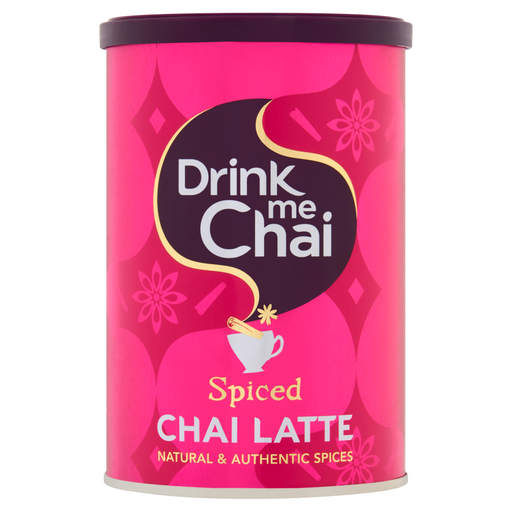 No image available
An instant mix prepared with hot water for a chai-latte-style winter drink. It contains milk ingredients; if a pronounced black-tea brew matters to you, do not assume an instant latte mix will provide it.
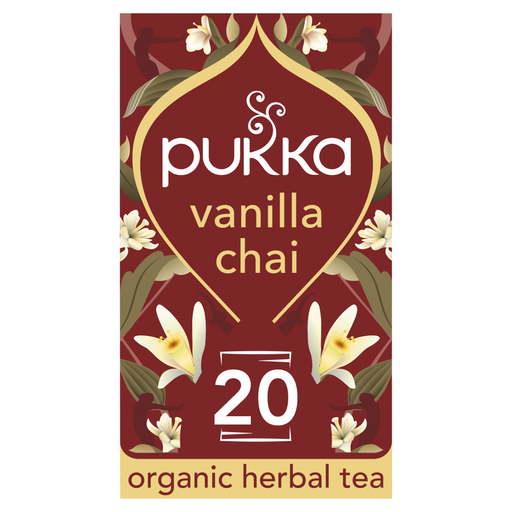 No image available
A caffeine-free herbal chai for a spiced winter drink rather than a strong black-tea brew. The listed ingredients include liquorice, so check the pack if you avoid it.
It may describe tea character, spice intensity or both, so check the ingredients and the maker’s specific wording. Twinings describes Chai Ultra Spice as bold and spicy; teapigs describes its Chai as strong and spicy and suitable with lots of milk. Neither description is a standardised brewed-strength measure.
Start with a black-tea chai whose maker specifically suggests that serving style. teapigs says its Chai is suitable with lots of milk, latte style; check the preparation directions and adjust the cup to your taste.
No. Twinings Chai Ultra Spice and Clipper Organic Indian Chai contain black tea, while Pukka labels Spiced Vanilla Chai caffeine-free. Check the exact blend rather than relying on the word ‘chai’.
Yes. Clipper Organic Indian Chai lists black tea, cinnamon, orange peel, cloves and fennel seed; Pukka Spiced Vanilla Chai is a caffeine-free herbal blend that includes liquorice. Read the ingredient list if a particular spice or ingredient matters to you.