Black-tea chai drinkers
If an afternoon cup should still taste of tea, start with a blend that lists black tea. Bagged versions offer a straightforward way to make one cup; check the spices and flavourings, as recipes differ.


Choose a black-tea chai if you want tea alongside the spices and are comfortable with caffeine; choose a clearly labelled caffeine-free herbal chai if avoiding caffeine matters more. For a quick cup, consider tea bags and the blend’s stated preparation directions. If you usually add plenty of milk, a stronger black-tea blend may be closer to the cup you want, while loose leaf calls for an infuser or teapot.
If an afternoon cup should still taste of tea, start with a blend that lists black tea. Bagged versions offer a straightforward way to make one cup; check the spices and flavourings, as recipes differ.
Look for an explicit caffeine-free statement rather than relying on the word ‘chai’. Pukka describes its Spiced Vanilla Chai as a caffeine-free herbal infusion, whereas the black-tea blends listed by Twinings and Clipper take a different route.
If you usually add plenty of milk, consider a blend whose maker gives guidance for that serving style. Teapigs describes its Assam-based chai as strong and spicy and recommends it with lots of milk.
Start with the tea base, then compare the ingredient list and preparation format against the cup you make during your break.
| Priority | What to check | Your needs |
|---|---|---|
| Caffeine | Check whether black tea is an ingredient and whether the product explicitly says caffeine-free. Do not infer caffeine status from ‘chai’ or ‘herbal’ alone. | I want an afternoon cup without caffeine, so I would choose a blend explicitly labelled caffeine-free rather than a black-tea chai. |
| Spice profile | Read the named spices and flavourings. Twinings lists black peppercorns in Spicy Chai; Clipper lists cinnamon, orange peel, cloves and fennel seed in its Indian Chai. | Vanilla is the note I am looking for, or I would rather have a blend that lists a wider range of spices. The ingredient list helps me tell those recipes apart. |
| Preparation | Check whether the product is a tea bag, loose leaf or an instant latte mix. For loose leaf, allow for an infuser or teapot; for a milk-forward cup, check the maker’s serving directions. | During a short break, I would rather make one bagged cup. If I have time to prepare loose leaf or usually add milk, I can choose around that routine instead. |
| Ingredients | Compare the current pack’s full ingredient and precautionary statements. Check separately for flavourings, milk or soya in mixes, and liquorice root in a herbal blend. | A particular ingredient matters to me, so I need the individual product label—not an assumption about chai as a category—to make that decision. |
Chai describes a style of blend, not one tea base. Twinings Classic Chai contains black tea, while Pukka describes its Spiced Vanilla Chai as a caffeine-free herbal infusion.
Read the ingredient list and look for an explicit caffeine statement before choosing an afternoon drink.
Recipes differ: Twinings Classic Chai includes natural flavourings alongside spices, while Clipper Indian Chai lists cinnamon, orange peel, cloves and fennel seed.
Compare the full ingredient lists, especially if a note such as fennel, clove, vanilla or black pepper changes whether you will enjoy the cup.
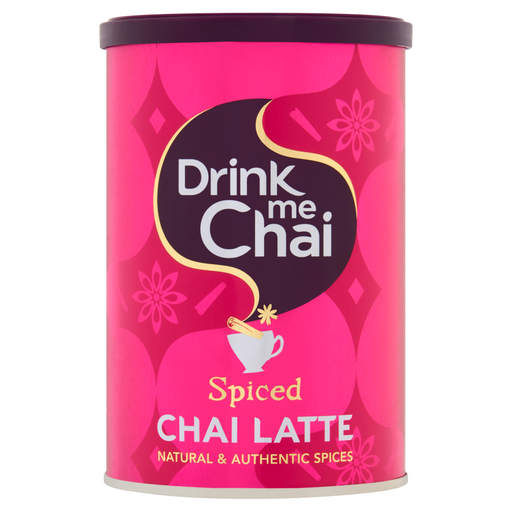
A chai tea bag and an instant chai latte mix are different products. The Drink Me Chai mix includes milk ingredients and sugar, so a plain brewed-tea description does not describe the finished mix.
Check the mix’s ingredients and nutrition information as sold, and account separately for anything you add when preparing a tea bag.
These examples show how specific blends differ; the brand name alone does not establish the ingredients of another product in its range.
Pukka describes Spiced Vanilla Chai as a caffeine-free herbal blend with cinnamon and vanilla notes.
Twinings lists black tea in its Classic and Vanilla Chai bags and black tea with rooibos and spices in its Spicy Chai loose leaf.
Teapigs presents its Assam-based chai as a strong, spicy black tea intended to work with plenty of milk.
Clipper lists black tea, cinnamon, orange peel, cloves and fennel seed in its Organic Indian Chai bags.
These options cover a bagged herbal chai and two instant chai-style latte mixes. Choose between them by whether you want a tea infusion or a premixed drink.
 No image available
A bagged herbal chai for an afternoon cup when you want an explicitly caffeine-free option rather than black tea. The blend includes liquorice root; check the current pack if that ingredient matters to you.
 No image available
An instant powder mixed with hot water for a premixed, milky chai-style drink, rather than a plain tea infusion. It contains black tea, milk ingredients and sugar; check the current pack if you need to assess caffeine or milk ingredients.
 No image available
Individual sachets make this a hot-water-prepared, vanilla-led latte mix rather than a tea bag or loose-leaf chai. It contains milk, soya and sugar. Check the current pack if the tea base, named spices or caffeine content matters to your choice.
Check the ingredient list and an explicit caffeine statement. Twinings Classic Chai lists black tea as 70% of its blend, whereas Pukka describes Spiced Vanilla Chai as a caffeine-free herbal infusion. The word ‘chai’ alone does not settle the question.
Start with a blend whose maker recommends that serving style. Teapigs describes its Assam-based chai as strong and spicy and suitable with plenty of milk; if you prefer a plain tea infusion over a premixed latte, also check whether the product is a tea bag, loose leaf or instant powder.
No. A vanilla flavour description is not a sugar value. Check the nutrition information for the particular tea or latte mix, then consider milk, syrup, honey or sugar added during preparation separately.
Check the tea base, named spices, flavourings and any ingredients relevant to you, along with the current allergy and precautionary statements. Recipes vary: Twinings Classic Chai lists natural flavourings as well as spices, while Pukka’s herbal chai includes liquorice root.