Black-tea chai drinkers
If you want tea and spices in the same mid-morning cup, compare the black-tea base and listed spices. This route contains naturally occurring caffeine, and some blends have serving guidance for milk.


Choose a black-tea chai if you want tea alongside the spices and are comfortable with naturally occurring caffeine. If avoiding caffeine matters more, look for an explicitly caffeine-free herbal chai; for either type, check the ingredients and whether its serving guidance fits a plain cup or one with milk.
If you want tea and spices in the same mid-morning cup, compare the black-tea base and listed spices. This route contains naturally occurring caffeine, and some blends have serving guidance for milk.
An explicitly caffeine-free herbal chai offers chai-style spices without a black-tea base. Check its ingredients for the particular botanicals and flavourings you want.
Look for serving guidance that matches how you make your cup. Teapigs describes its Assam-based chai as suitable with plenty of milk; its black-tea base still means it is not a caffeine-free choice.
For a short break, settle on the tea base first, then compare the ingredients, serving style and preparation.
| Priority | What to check | Your needs |
|---|---|---|
| Tea base | Read the ingredient list for black tea or a herbal infusion. Check for an explicit caffeine-free statement rather than judging by the spices. | I want tea with my spices, or I would rather have a caffeine-free herbal cup. Black-tea chai contains naturally occurring caffeine; Twinings notes that the amount released varies with tea type, water temperature and brewing time. |
| Spice mix | Compare named spices, flavourings and any stated proportions. Clipper lists cinnamon, orange peel, cloves and fennel in its Indian Chai; Twinings describes Ultra Spice as a bolder-spiced black-tea blend. | For my snack break, I might prefer the listed cinnamon and clove mix, a more pronounced spice description or vanilla notes. The word “chai” alone does not tell me which is in the pack. |
| Milk or plain | Look for serving guidance for the exact blend. Pukka describes Original Chai as suitable with or without milk; Teapigs recommends plenty of milk with its Assam chai. | I usually drink tea a particular way, so I want a blend whose suggested preparation fits a plain cup or a cup with milk. |
| Preparation | Check the format, brewing guidance and equipment needed. Twinings recommends 2–3 minutes for Classic Chai and one teaspoon per cup for its Spicy Chai loose leaf. | A portioned bag or sachet fits my break more easily than measuring loose leaf if I do not want to use an infuser or strainer. |
| Ingredients | Check the current ingredient and allergen information for the exact product and pack, including any milk ingredients or botanicals you need to avoid. | If I am buying for someone with an allergy or avoiding dairy, I need to check that particular pack rather than assume all chai blends contain the same ingredients. |
A herbal chai can contain familiar chai spices without the black-tea base or its naturally occurring caffeine.
Read the tea base and caffeine statement. Choose an explicitly caffeine-free herbal blend if avoiding caffeine is the deciding factor.
Chai ingredient lists differ: Clipper Indian Chai includes orange peel and fennel, while Pukka Spiced Vanilla Chai has vanilla flavour notes.
Compare the full ingredient lists and any disclosed proportions before choosing a flavour direction.
A blend recommended with plenty of milk may not match a routine built around drinking tea plain.
Decide how you will make your usual cup, then check the maker’s serving guidance and the ingredients of anything you add.
Preparing milk or a plant-based alternative adds a step to a short break.
Different chai blends contain different teas, spices and flavourings. A description of one blend cannot establish the ingredients of another.
Check the current ingredient and allergen information on the exact pack before buying or drinking it, especially if an allergy or intolerance matters.
Pukka offers a black-tea Original Chai and a caffeine-free Spiced Vanilla Chai herbal blend, giving two different tea-base options within its range.
Twinings has black-tea chai in portioned and loose-leaf formats, with ingredient and preparation differences between blends.
Clipper Indian Chai is an organic and Fairtrade black-tea blend for shoppers comparing named spices and disclosed ingredient proportions.
Teapigs makes an Assam black-tea chai that the brand suggests serving with plenty of milk.
These options cover a chai latte prepared with hot water and a portioned herbal chai for a caffeine-free mid-morning cup. Check the form and ingredients before choosing between them.
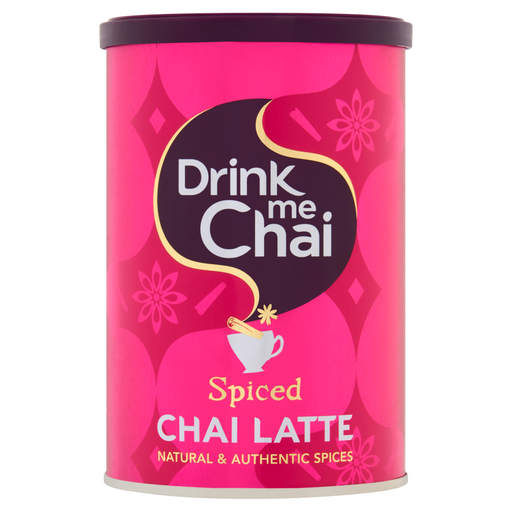 Image unavailable
Portioned sachets mixed with hot water may suit a short break when you want a chai-style latte. This product contains milk ingredients, including skimmed milk powder and whey permeate, so check the current pack if you have an allergy or avoid dairy. Its product information lists 63.9g sugars per 100g; check the serving information if the amount in a prepared sachet matters to you.
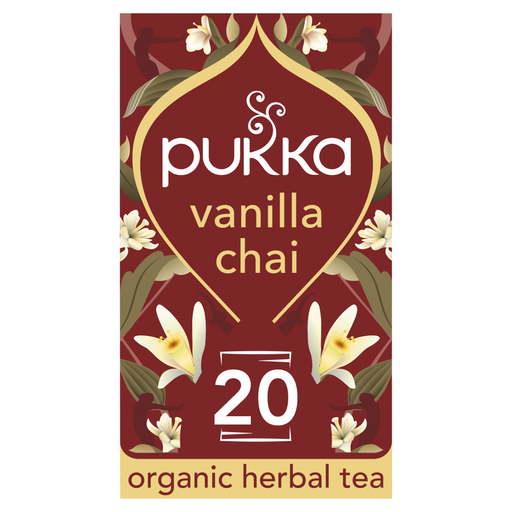 Image unavailable
This portioned herbal chai is described as caffeine-free, making it an option when you want chai-style spices without black tea. Its ingredients include cinnamon, ginger, cardamom and vanilla extract. Check the current pack for brewing directions and ingredients relevant to your needs.
No. Black-tea chai contains naturally occurring caffeine, while Pukka identifies its Spiced Vanilla Chai herbal blend as caffeine-free. Twinings notes that the caffeine released from tea varies with tea type, water temperature and brewing time, so check the base and any caffeine statement for the blend you choose.
Look for serving guidance for the blend you plan to buy. Teapigs suggests plenty of milk with its Assam-based chai; Twinings says milk can be added to Classic Chai after brewing. Neither suggestion means the same serving style will suit every blend or taste.
Yes, if its brewing time and any milk preparation fit your break. Twinings recommends a 2–3 minute infusion for Classic Chai, while Teapigs recommends at least 3 minutes for its chai tea temple.
Check the ingredient and allergen information on the exact current pack before buying or drinking chai. Blends have different ingredients, and a generic description or an older listing should not stand in for the pack you intend to use; contact the retailer or manufacturer if its information is unclear.
Spice descriptions do not tell you the caffeine content. Check whether the blend contains black tea or is explicitly described as caffeine-free; for tea-based chai, Twinings says brewing conditions can affect how much caffeine is released.