Everyday tea-and-biscuit drinkers
If you make chai for a regular biscuit break, decide whether you want a black-tea base, which spices appeal to you and whether you usually add milk.


For a regular tea-and-biscuit break, choose a black-tea chai if you want a caffeinated tea base; choose a herbal chai explicitly labelled caffeine-free if you want a cup without caffeine. If you add plenty of milk, look for a blend its maker describes as suitable for it. Tea bags are pre-portioned, while loose leaf lets you adjust the amount you brew but requires more preparation.
If you make chai for a regular biscuit break, decide whether you want a black-tea base, which spices appeal to you and whether you usually add milk.
A herbal chai explicitly labelled caffeine-free offers a different option from a black-tea chai. Check the exact blend rather than relying on the word ‘chai’ alone.
If you add plenty of milk, look at how the maker suggests serving the blend. If you prefer to measure your own tea, consider whether loose-leaf preparation fits your routine.
Start with the tea base and caffeine label, then consider how you serve the cup, how you brew it and any ingredients you need to check.
| Priority | What to check | Your needs |
|---|---|---|
| Tea base and caffeine | Check whether the ingredients include black tea or the blend is explicitly labelled caffeine-free. Pukka describes its Spiced Vanilla Chai as a caffeine-free herbal blend; Twinings Classic Chai contains black tea. | I want a black-tea cup with my biscuits, or I need a caffeine-free option for later in the day. |
| Spice and milk | Compare the listed spices and the maker’s serving suggestions. Teapigs describes its Assam-based chai as strong and spicy and suitable for plenty of milk; Twinings says milk can be added to Classic Chai to taste. | I usually add milk, so I want to choose a blend with that preparation in mind rather than assume every chai will suit it equally. |
| Brewing format | Check whether the tea is bagged or loose leaf and follow its own brewing directions. Twinings specifies 2–3 minutes for Classic Chai bags and a rounded teaspoon per person, brewed for 3–4 minutes, for Spicy Chai loose leaf. | A pre-portioned bag fits a quick biscuit break; at other times, I may prefer to measure loose leaf myself. |
| Ingredients | Read the current ingredient list for the exact blend, particularly if an ingredient affects your choice. Pukka lists liquorice in Spiced Vanilla Chai; NHS guidance advises avoiding herbal teas containing liquorice root during pregnancy. | I need to check the recipe before buying, especially if I am pregnant or have an ingredient I must avoid. |
Chai products include both black-tea blends and caffeine-free herbal blends, so the name alone does not establish which kind of cup you are buying.
Check for black tea in the ingredients or an explicit caffeine-free label.
Makers describe different spice profiles and ways to serve their chai. Teapigs describes its Assam-based blend as strong and spicy and suitable for plenty of milk.
If you normally make a milky cup, compare the blend’s ingredients and the maker’s milk suggestion before choosing.
Pukka lists liquorice in Spiced Vanilla Chai. NHS pregnancy guidance advises avoiding herbal teas containing liquorice root during pregnancy.
If pregnant, check the current ingredients of a herbal chai rather than assuming its tea-free base makes every blend suitable.
Tea bags are pre-portioned, whereas Twinings directs buyers to measure its Spicy Chai loose leaf by the teaspoon and strain or contain the leaves when brewing.
Check the pack format and brewing instructions against the equipment and time you have.
Loose leaf may require an infuser or strainer if you do not already have one.
These brand examples illustrate different chai recipes and formats; check the exact product rather than applying one blend’s characteristics to a whole range.
Its Classic Chai bags and Spicy Chai loose leaf offer two ways to make a black-tea chai.
Its Original Chai contains black tea, while its Spiced Vanilla Chai is described by Pukka as a caffeine-free herbal blend.
Teapigs describes its Assam black-tea chai as strong and spicy and suggests serving it with plenty of milk.
Clipper describes its Indian Chai bags as an organic and Fairtrade black-tea blend.
These options cover a portioned herbal chai and a prepared chai latte mix. The latte mix is a different format from brewed tea bags or loose leaf.
 No image available
A portioned herbal chai option for a caffeine-free cup rather than a black-tea chai. It contains liquorice root; NHS guidance advises avoiding herbal teas containing liquorice root during pregnancy.
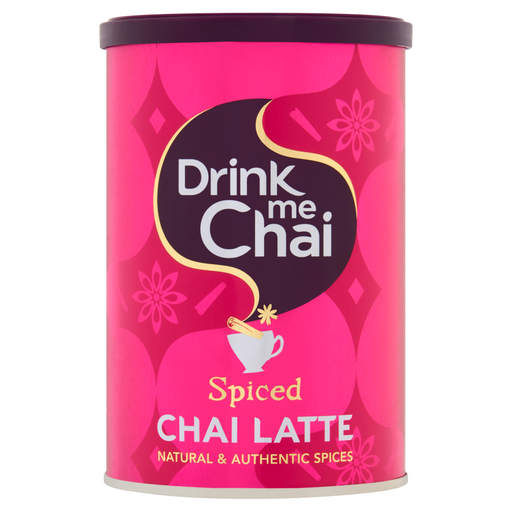 No image available
A chai-style latte mix for preparing a drink with hot water rather than brewing tea bags or loose leaf. Check the ingredients if you avoid milk or sugar, and confirm the caffeine status before buying if you need a caffeine-free drink.
Choose a black-tea chai if you want a caffeinated tea base; choose a herbal blend explicitly labelled caffeine-free if avoiding caffeine matters more. Twinings Classic Chai contains black tea, while Pukka describes its Spiced Vanilla Chai as caffeine-free.
Look for a blend whose maker recommends serving it with milk. Teapigs describes its Assam-based chai as strong and spicy and suitable for plenty of milk; Twinings says milk can be added to Classic Chai to taste.
Choose loose leaf if you want to measure the tea yourself and have a way to contain or strain it. Twinings directs buyers to use a rounded teaspoon per person and brew its Spicy Chai for 3–4 minutes; tea bags come pre-portioned for a simpler routine.
Check the ingredients of the exact blend for anything you need to avoid. Pukka lists liquorice in Spiced Vanilla Chai, and NHS guidance advises avoiding herbal teas containing liquorice root during pregnancy. If you have a food allergy, check the current product’s ingredient and allergen information.