Who is the chai range for?
The everyday choice depends on whether the shop is selling sealed packs, preparing drinks, or doing both.
Buyers planning an everyday tea range
Individually portioned chai makes it easier to set a consistent service method. If the range also needs a caffeine-free choice, label that option separately rather than assuming every product called chai has the same tea base.
Customers checking caffeine and ingredients
Black-tea chai contains naturally occurring caffeine, according to Twinings’ guidance on tea. Full ingredient information also matters when a blend contains liquorice: NHS-linked guidance raises concerns about consuming large amounts of black liquorice for some people and notes possible medicine interactions. It does not assess the dose in a cup of chai.
Shops serving chai with milk
A stronger black chai may fit a milk-based menu: Teapigs describes its chai as suitable with plenty of milk. Loose-leaf preparation needs a measured method, so it can sit alongside a simpler portioned option rather than replacing it by default.
What should you check before choosing?
Choose the tea base and serving format first, then compare spice ingredients and the information customers will need at the shelf or counter.
| Priority |
What to check |
Your needs |
| Tea base and caffeine |
Read the exact ingredient list for black tea or another tea base. Confirm any caffeine-free claim on the pack; the word ‘herbal’ or ‘chai’ alone is not enough. Twinings notes that caffeine in tea varies with the tea and brewing method. |
I want customers to be able to distinguish black-tea chai from a confirmed caffeine-free infusion before they choose. |
| Spice and serving style |
Compare the named spices and any milk-serving directions. Clipper lists cinnamon, orange peel, cloves and fennel in its Indian Chai; Teapigs describes its Assam black-tea chai as strong and suitable with milk. |
A familiar spiced tea may suit the everyday range, while a more pronounced chai could be offered for drinks made with milk. |
| Ingredient visibility |
Check the full list for liquorice and keep it available to customers. Pukka lists liquorice in Original Chai. NHS-linked guidance concerns large amounts of black liquorice and possible interactions; it does not establish the exposure from this brewed tea. |
If someone asks about liquorice or medicines, I need to show them the ingredients, not make an individual suitability judgement. |
| Preparation |
Compare fixed bags or envelopes with tea that staff must measure. Follow the chosen product’s brewing directions; Twinings’ Spicy Chai loose leaf calls for measured tea and a 3–4 minute brew. |
During a busy service, I want a method staff can repeat. A measured loose-leaf drink can be a separate menu option. |
| Finished-drink allergens |
Record the ingredients in the drink actually served, including any milk or additions. The Food Standards Agency says UK retail and catering food businesses must provide allergen information for prepacked and non-prepacked food and drink. |
If chai is prepared at the counter, customers need information about the finished drink, not just the dry tea. |
Brand ranges to consider
These manufacturer ranges illustrate different chai formats and ingredient profiles; a brand name alone does not establish the tea base of every product it sells.
Twinings
Classic Chai is offered in 20 envelopes, while Spicy Chai is a separate loose-leaf black-tea blend.
- The envelope format provides individual portions; Twinings lists ginger, cinnamon, cardamom and cloves in its Classic Chai description.
- Spicy Chai needs measuring and a 3–4 minute brew. Both named black-tea choices contain naturally occurring caffeine.
Pukka
Pukka’s Original Chai combines black tea with cardamom, liquorice, ginger and cinnamon, according to its product description.
- The named ingredients give buyers a way to describe this blend separately from chai with a different spice mix.
- Original Chai is not a caffeine-free choice, and its liquorice ingredient should be clear to customers.
Clipper
Clipper describes its Organic & Fairtrade Indian Chai as a 20-bag black-tea blend.
- Its listed cinnamon, orange peel, cloves and fennel provide a distinct spice profile to compare with other chais.
- It contains black tea, so customers seeking a caffeine-free infusion need another option.
Teapigs
Teapigs describes its Assam black-tea chai, with cinnamon, ginger, cardamom and vanilla, as strong and suitable with plenty of milk.
- Its stated milk-serving style gives shops a specific reason to consider it for prepared chai drinks.
- The blend contains naturally occurring caffeine; follow its preparation directions rather than treating it as an instant drink.
Joybuy chai options
These Joybuy options cover a portioned herbal tea and two prepared chai-latte mixes. The latte mixes are not substitutes for a plain black-tea bag when that is the drink customers expect.
 No image available
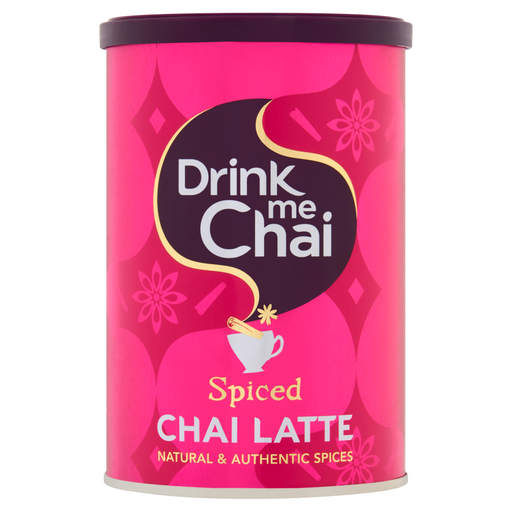
Drink Me Chai Spiced Chai Latte 250g
This powder is a prepared chai-latte option rather than a plain tea blend. Check the pack’s powder-to-water directions before setting a staff recipe, and include its milk ingredients in information about the finished drink.
View on Joybuy
 No image available
Pukka Vanilla Chai 20 Herbal Tea Sachets 40g
The 20-sachet format offers a portioned herbal-style alternative. Confirm the caffeine statement and brewing directions on this exact pack, and make its liquorice ingredient clear before serving it.
View on Joybuy
 No image available
Nestle Everyday Vanilla Chai Latte Tea 3in1 10x20g
Individual sachets offer a portioned instant chai-latte format, not plain chai tea. Check the pack before describing its spice blend or setting preparation instructions; account for milk and soya in the finished drink’s allergen information.
View on Joybuy
Questions about stocking and serving chai
Is chai automatically caffeine-free?
No. Black-tea chai contains naturally occurring caffeine. Twinings distinguishes tea from herbal and fruit infusions without the tea plant; check the exact ingredients and any caffeine-free statement on the pack. Pukka Original Chai, for example, lists black tea despite its herbal-style presentation.
Should a shop exclude every chai containing liquorice?
Not automatically, but the ingredient should be clearly identified. NHS-linked guidance warns about consuming large amounts of black liquorice, particularly for some people with heart disease or high blood pressure, and notes possible medicine interactions; it does not assess the exposure from a cup of chai. Direct individual medicine questions to a pharmacist or GP.
Which format is simplest for repeatable service?
An individually portioned bag or envelope removes the need to measure loose tea, provided staff follow that product’s brewing directions. Twinings offers Classic Chai in envelopes; its separate Spicy Chai loose leaf requires a measured amount and a 3–4 minute brew.
What allergen information matters when the shop prepares chai?
Information must reflect the drink actually served, including added milk and other ingredients. The Food Standards Agency says UK retail and catering food businesses must provide allergen information for prepacked and non-prepacked food and drink, so a dry tea pack alone cannot describe every prepared recipe.
Does serving chai with milk affect the blend choice?
It can. Teapigs describes its Assam black-tea chai as strong and suitable with plenty of milk, which makes it a specific option to consider for that serving style, not a rule for every chai. Check the finished recipe and include milk in its allergen information.


