Care-home catering teams
Teams planning a repeatable hot-drinks menu need to distinguish the preparation and ingredients of black-tea, herbal and instant chai while offering residents a choice they enjoy.


For everyday care-home service, black-tea chai bags suit residents who want a caffeinated spiced tea, while a clearly labelled caffeine-free herbal chai gives residents another choice. Instant chai mixes need a separate check of sugars, milk ingredients and serving size. Whichever format you buy, the drink as served must fit each resident’s dietary and swallowing plan.
A care-home chai order needs to work for both the drinks round and the people receiving each drink.
Teams planning a repeatable hot-drinks menu need to distinguish the preparation and ingredients of black-tea, herbal and instant chai while offering residents a choice they enjoy.
Residents may prefer or need an alternative to caffeinated tea. NHS Nottingham and Nottinghamshire ICB describes a decaffeinated-by-default approach that still offers caffeinated drinks on request.
The finished drink, including anything added at service, must follow the resident’s assessed swallowing instructions and the home’s ingredient and allergen controls.
Choose the type of chai first, then check the delivered ingredients and how staff will prepare each cup. A familiar flavour is useful only if the finished drink also fits the resident’s plan.
Choose when: Residents want a traditional spiced tea and caffeinated tea is appropriate for them.
Bear in mind: Black tea contains caffeine; milk or sugar added at service changes the finished drink.
Choose when: A resident wants chai spices without black tea or caffeine.
Bear in mind: Herbal blends have different ingredients and flavour from black-tea chai; check the particular blend.
Choose when: A sweet, milky chai style is specifically wanted and fits the resident’s dietary plan.
Bear in mind: Sugars and milk ingredients can already be present in the powder, before anything is added.
| Priority | What to check | Your needs |
|---|---|---|
| Drinks routine | Check the preparation method, portions per pack and how the choice fits planned drinks rounds. NHS England notes that some older people may not feel thirsty or may forget to drink. | “I want an appealing choice that staff can prepare consistently during the usual drinks round.” |
| Caffeine | Read the tea ingredients and look for an explicit caffeine-free statement on a herbal blend. Do not use “chai” alone to identify its caffeine content. | “I would like a spiced drink without caffeine,” or “I still want the option of a black-tea chai.” |
| Sugars and milk | Compare ingredients and nutrition using the stated basis, such as per serving or per 100 g of powder. Check milk ingredients in mixes and account for anything added to brewed tea. | “A sweet instant mix might suit this resident, but I need to know what is in the cup before serving it.” |
| Swallowing and allergens | Follow the resident’s assessed drink consistency and preparation instructions. Check the delivered pack’s ingredients and the home’s allergen controls. | “The chai I serve must match the resident’s swallowing plan and dietary requirements.” |
An instant mix can already contain sugars and milk ingredients. For example, Sainsbury’s lists 16 g sugars per 20 g serving for Riya’s Original Recipe Masala Spicy Chai, along with milk-derived ingredients.
Compare the full ingredients and serving-based nutrition before putting a mix on the menu; check any additions to brewed chai separately.
Black-tea chai and caffeine-free herbal chai are different choices, even when both are labelled chai.
Identify them separately when ordering and describing the menu, and check the current pack before service.
For a resident with swallowing difficulties, the required consistency of a drink is an individual assessed decision. Milton Keynes University Hospital advises that thickened drinks follow a Speech and Language Therapist’s assessment.
Prepare and serve chai according to that resident’s swallowing instructions rather than a standard recipe.
Ingredients and product information can change, affecting checks for caffeine, allergens and other ingredients.
Use the delivered pack and supplier specification when updating menu descriptions and allergen records.
These examples show why the individual blend matters more than the brand name when checking caffeine, ingredients and serving format.
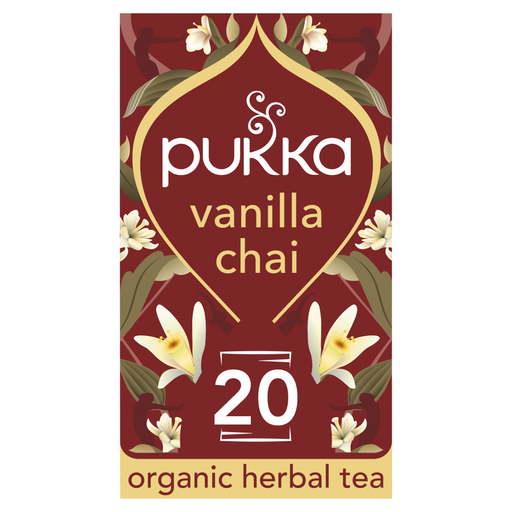
Pukka’s Spiced Vanilla Chai is a herbal option the brand describes as caffeine-free; its Original Chai is a different blend containing black tea.
Twinings Classic Chai is a black-tea blend sold in individually enveloped bags.
Teapigs Chai combines Assam black tea with cinnamon, ginger, cardamom and vanilla.
Sainsbury’s Taste the Difference Chai Teabags provide a black-tea bag option for routine preparation.
Tesco lists chai products from other brands, including a PG Tips black-tea option.
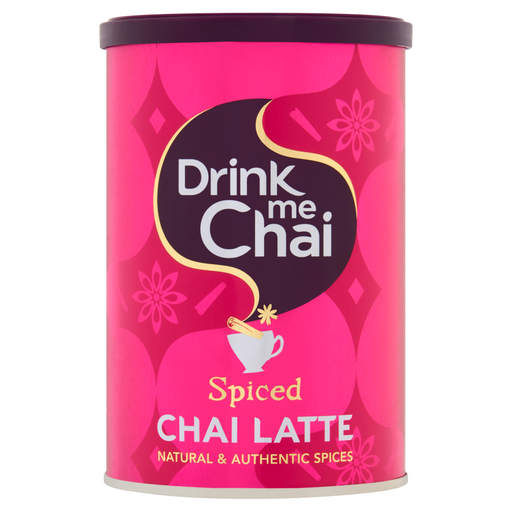
These products represent two different choices: a caffeine-free herbal chai in bags and an instant chai latte powder. Compare their ingredients and preparation with the residents you plan to serve.
 No image available
A bagged herbal chai for a caffeine-free choice; Pukka describes its Vanilla Chai blend as caffeine-free. The listed blend includes liquorice, so check the delivered ingredients and the resident’s individual dietary advice before serving.
 No image available
An instant chai latte powder for residents who specifically want this style of drink. Its listed milk ingredients call for an allergen check; compare the prepared serving’s sugars and caffeine information with the resident’s dietary plan rather than treating it like plain brewed chai.
Yes, black-tea chai can be an option for residents for whom caffeinated tea is appropriate. NHS Nottingham and Nottinghamshire ICB’s decaffeinated-by-default guidance also recommends keeping caffeinated drinks available on request, so label the choices clearly and follow individual plans.
Tea contributes fluid at normal consumption levels: GOV.UK explains that its fluid component offsets caffeine’s mild diuretic effect at those levels. A care home still needs to offer drinks according to each resident’s hydration plan rather than relying on chai alone.
Only when it can be prepared and served in the form specified by that resident’s swallowing assessment and care plan. Milton Keynes University Hospital advises that instructions for thickened drinks follow a Speech and Language Therapist’s assessment.
Check the full ingredients for allergens and compare sugars on the relevant prepared-serving basis. Sainsbury’s lists milk-derived ingredients and 16 g sugars per 20 g serving in its Riya’s Masala Spicy Chai example; those figures should not be applied to other mixes.
No. Caffeine-free describes one aspect of a particular blend, not its complete suitability. Check its current ingredients, anything added during preparation and the resident’s dietary and swallowing instructions; a Pukka herbal chai and Pukka Original Chai, for example, do not have the same tea base.