Organisers serving a mixed group
Choose a format guests can prepare individually, and leave the pack available so they can check the ingredients. Spice recipes differ, and a chai made with black tea will not meet a request for a caffeine-free drink.


For a work meeting, individually portioned chai bags make it straightforward for guests to brew their own drink. Choose the spice blend by its ingredients rather than the word “chai”, offer milk separately where practical, and check whether the particular product contains black tea before serving it to someone avoiding caffeine.
The useful starting point is how guests will serve their drinks and which choices they need to make for themselves.
Choose a format guests can prepare individually, and leave the pack available so they can check the ingredients. Spice recipes differ, and a chai made with black tea will not meet a request for a caffeine-free drink.
If milk or a plant-based alternative will be offered, check the blend’s serving guidance and brewing time. Teapigs describes its chai as strong and spicy, recommends plenty of milk and specifies a brew of at least three minutes.
Pukka’s Original Chai and Clipper’s Indian Chai provide different organic spice recipes; Clipper is also described as Fairtrade. Check the exact blend’s ingredients separately, since sourcing credentials do not tell guests which spices it contains.
Settle the serving format and break length first, then compare ingredients and milk arrangements for the people attending.
| Priority | What to check | Your needs |
|---|---|---|
| Self-service | Check whether servings are individually bagged, how many the pack contains and the stated brew time. Twinings specifies 2–3 minutes for Classic Chai; Teapigs specifies at least three minutes for its chai. | I want guests to prepare their own drinks without a shared batch. If the break is short, the instructions for the exact blend matter. |
| Spice blend | Read the ingredient list rather than relying on “chai” as a flavour description. Twinings lists cloves and cardamom; Clipper’s listed ingredients include cinnamon, orange peel, cloves and fennel seed. | A familiar spice combination may suit this group, or I may want to offer a distinctly different blend with its ingredients clearly identified. |
| Tea and milk | Check whether the product contains black tea and whether milk is optional, recommended or already part of the product. Twinings leaves milk optional; Teapigs recommends serving its chai with plenty of milk. | Some guests may prefer their chai plain, while others may want milk. Anyone avoiding caffeine needs the label of a separate option checked rather than an assumption about chai. |
| Ingredient information | Keep the current pack accessible and check its ingredients before serving, particularly when choosing a different variant of a familiar brand. Check any milk or plant-based alternative separately. | I want attendees to be able to check what is in their drink before making a choice. |
Reviewed blends include different combinations of cardamom, ginger, orange peel, fennel, vanilla and liquorice. A guest who likes one recipe may not expect those ingredients in another.
Compare the exact ingredient lists and leave the pack beside the refreshments so guests can identify the blend being served.
Black-tea chai contains tea as well as spices. Teapigs explicitly describes its chai as naturally caffeinated.
If a caffeine-free drink is needed, choose a separate product whose current label confirms that description; do not apply it to chai generally.
A larger pack can reduce the number of boxes needed for a meeting, but its count does not tell guests which ingredients or spice combination they are getting.
Check the current pack before serving. For example, Tesco lists a Finest Chai 50-bag format, but its pack count is not a substitute for reading its ingredient panel.
These named blends illustrate recipe and serving differences; a brand name alone does not establish the ingredients of another variant.
Original Chai is a spice-led option that Pukka says can be served with or without milk and honey.
Classic Chai comes in a 20-envelope format suited to individual brewing.
Organic Indian Chai is a 20-bag black-tea blend for organisers comparing sourcing credentials as well as recipes.
Teapigs positions its chai for serving with plenty of milk.
Tesco Finest Chai is listed as a 50-tea-bag, 125 g format.
Taste the Difference Chai Teabags are listed in a 20-bag, 50 g format.
These options cover a herbal chai in individual sachets and a chai latte in a tin. They call for different checks when planning drinks for a group.
 No image available
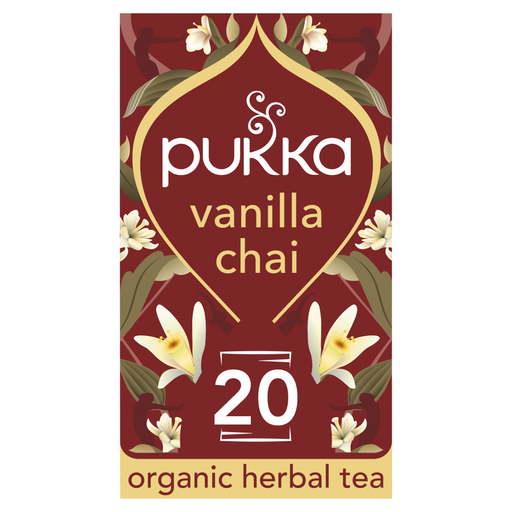
The 20-sachet format allows guests to prepare individual drinks. This is a herbal chai rather than the black-tea Original Chai discussed above; check its current pack for ingredients, caffeine information and brewing instructions before serving.
 No image available
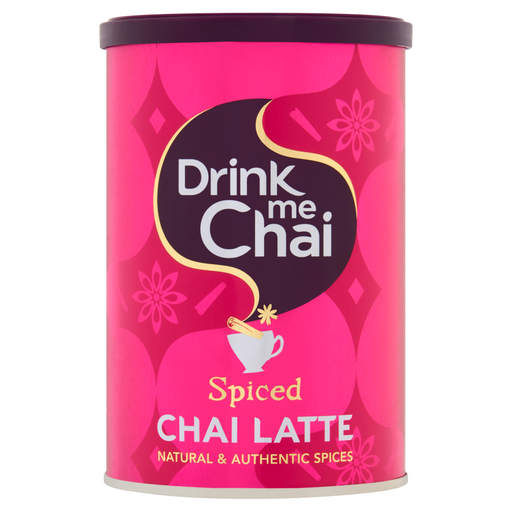
This 250 g chai latte tin is an option when a latte-style drink, rather than individually bagged tea, suits the meeting. Its product information lists milk ingredients, so check the current label before offering it to guests who avoid milk; check the serving directions when planning quantities.
Offer milk separately when guests’ preferences differ. Twinings says milk is optional with Classic Chai, Pukka says Original Chai can be served with or without it, and Teapigs recommends plenty of milk with its chai. A prepared latte product needs its own ingredient check because milk may already be included.
No. The reviewed Twinings and Clipper chai blends contain black tea, and Teapigs explicitly says its chai naturally contains caffeine. For someone avoiding caffeine, check a separate product’s current label rather than relying on the word “chai”.
Follow the instructions for the particular blend. Twinings specifies 2–3 minutes for Classic Chai, while Teapigs specifies at least three minutes for its chai; those directions should not be treated as interchangeable.
No. Clipper Tea Shop lists cinnamon, orange peel, cloves and fennel seed in its Organic Indian Chai, while Pukka Herbs UK identifies cardamom, liquorice, ginger and cinnamon in Original Chai. Read the exact pack if a particular spice matters to your guests.