Hosts serving guests with different preferences
Individual tea bags or sachets let guests make separate cups and add milk or sweetener to taste. Check the brewing directions before deciding how many cups you can prepare at once.


For a brunch with varied preferences, consider a black-tea chai for guests who want a milk-friendly cup and a separate herbal blend for those who prefer a different tea base; check the exact ingredients and caffeine declaration rather than assuming every chai is alike. Tea bags or sachets make individual cups straightforward, while loose leaf needs a pot or infuser; a chai latte mix may already contain milk ingredients and sugar.
Individual tea bags or sachets let guests make separate cups and add milk or sweetener to taste. Check the brewing directions before deciding how many cups you can prepare at once.
An Assam black-tea blend such as Teapigs Chai is one option: Teapigs describes it as suitable for plenty of milk. Check its spice ingredients as well as its tea base before serving it to the group.
Pukka Vanilla Chai offers a different route from the cited black-tea blends. Its listed ingredients include vanilla, liquorice and fennel, so check that both the flavour and the current pack declaration suit the guest.
Choose the tea base and ingredient profile first, then pick a format that suits the number of cups you plan to serve.
| Priority | What to check | Your needs |
|---|---|---|
| Tea base and caffeine | Read the exact ingredient list for black tea or a herbal base. Check the current pack’s caffeine declaration if a guest avoids caffeine. | I want to know which cup to offer someone who does not want a black-tea chai, without guessing from the word “chai”. |
| Spice and flavour | Compare the listed spices and other ingredients. Teapigs lists Assam black tea with cinnamon, ginger, cardamom and vanilla; Pukka Vanilla Chai lists liquorice and fennel alongside its spices. | Some friends want a tea-led cup with milk, while others may prefer vanilla and spice. I would rather let them choose than make one blend for everyone. |
| Serving format | Check the portions and brewing directions. Twinings gives a 2–3 minute infusion for Classic Chai envelopes; its Spicy Chai loose leaf calls for a measured pot brew. | If everyone is making their own cup, individual portions are useful. For a shared pot, I can set aside time and equipment for loose leaf. |
| Guest ingredients | Check the current pack for the full ingredients and any allergen information. Recipes differ: Clipper Indian Chai lists orange peel and fennel, while Pukka Vanilla Chai lists liquorice and fennel. | Before I serve a blend to visitors, I need to know what is in that exact product rather than assuming another chai has the same recipe. |
The cited blends include Assam black tea, herbal vanilla chai and black tea with other spice combinations. The name alone does not tell you which cup guests will get.
Read the tea base and ingredients. If milk-friendly black chai is the aim, look for a statement about serving that particular blend with milk; choose a herbal blend as a distinct option, not an identical substitute.
Liquorice, orange peel, fennel, cloves and black pepper appear in different combinations across the cited products. Guests who like one chai may not want another.
For a mixed group, consider offering a black-tea chai alongside a different herbal or vanilla-spice blend. Put milk and sweetener on the table separately so guests can adjust their own cups.
These examples show how specific chai recipes and formats differ; check the exact product rather than applying one blend’s details to a whole brand.
Teapigs Chai is an Assam black-tea blend with cinnamon, ginger, cardamom and vanilla. Teapigs describes it as suitable for plenty of milk.
Classic Chai comes in individual envelopes, while Spicy Chai is a loose-leaf blend containing black tea, rooibos and spices.
Pukka Vanilla Chai is a herbal blend listing vanilla, cinnamon, ginger, cardamom, fennel and liquorice rather than black tea.
Clipper Indian Chai is a black-tea blend with cinnamon, orange peel, cloves and fennel. Clipper identifies the cited product as organic and Fairtrade.
Tesco Groceries listed Finest Chai and Finest Vanilla Chai in 50-bag formats, a pack size to consider when serving a group.
These options cover a herbal chai in individual sachets and a spiced chai latte mix. Compare their ingredients and preparation with the cups your brunch guests want.
 No image available
The individual sachets offer a herbal alternative to black-tea chai for guests making separate cups. Pukka lists vanilla, cinnamon, ginger, cardamom, fennel and liquorice; check the current pack’s caffeine declaration and brewing directions before serving.
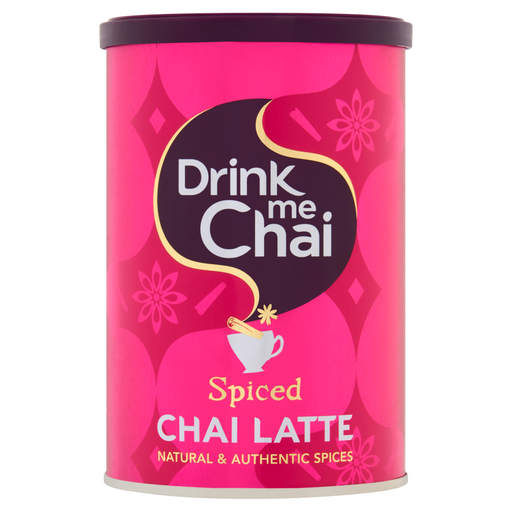 No image available
Consider this latte mix if guests want a prepared chai-style drink rather than individual tea bags. Its listed milk ingredients and sugar give guests less control over those additions; check the tin for preparation instructions and caffeine information.
Individual tea bags or envelopes let guests prepare separate cups and choose their own milk and sweetener. Twinings specifies a 2–3 minute infusion for Classic Chai; check the directions on whichever blend you serve.
No. The cited Teapigs Chai and Twinings Classic Chai contain black tea, while Pukka Vanilla Chai lists herbal ingredients instead. Check the exact pack’s tea base and caffeine declaration if a guest avoids caffeine.
Teapigs describes its Assam black-tea chai as suitable for plenty of milk. Pukka says its Original Chai herbal blend can be served with or without milk, but it has a different recipe from Pukka Vanilla Chai; check the specific blend before preparing it for guests.
Read the current pack’s full ingredients and allergen information for the exact blend. Pukka Vanilla Chai lists liquorice and fennel, whereas Clipper Indian Chai lists orange peel and fennel; do not assume chai recipes match across products.