
24/7 Customer Support

Free returns

Same-day & Next-day Delivery

Quality Guaranteed

Unlock Your Welcome Offers: FREE Delivery | Up to 80% OFF | Free 30-day JoyPlus trial
Download the APP
Navigating the world of sparkling wine can feel overwhelming. With labels boasting terms from France, Italy and Spain, it is easy to end up with a bottle that doesn't quite match the occasion or your taste. Many shoppers fall into common traps, either overspending on a name or choosing a style that disappoints. This guide will help you understand the key differences and select the right bottle of Champagne, Prosecco or Cava with confidence.
Before you add a bottle to your basket, be aware of these frequent missteps that can lead to buyer's remorse:
To avoid these traps, focus on a few core details on the label. Understanding these will empower you to find the perfect celebration fizz every time.
The amount of sugar added after fermentation (the 'dosage') determines the final taste. Here is a simple breakdown, from driest to sweetest:
The flavour and texture of a sparkling wine are heavily influenced by where and how it's made.
Instead of a generic list, we have matched our recommendations to specific needs and occasions, helping you find the right bottle for the right moment.
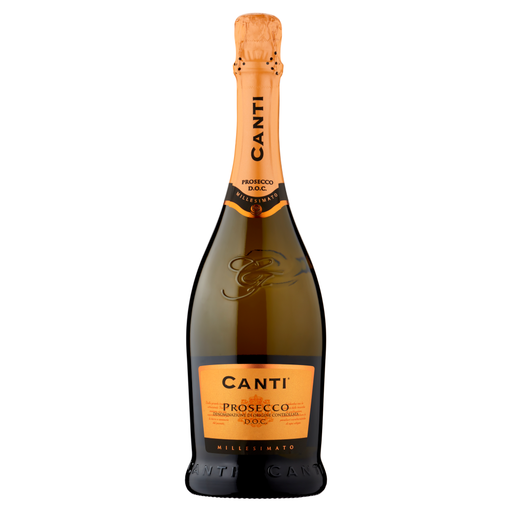
Why This Fits Their Persona: This is for the host who loves having friends over for a casual brunch or evening drinks. They need a reliable, crowd-pleasing fizz that feels special without a hefty price tag, making it easy to stock up with a prosecco case.
It sidesteps the "paying for a name" trap by delivering a classic, fresh Prosecco profile that is perfect for social gatherings, offering excellent value and consistent quality.
Features clear notes of green apple and flowers. It is suitable for vegans and vegetarians, making it an uncomplicated choice for any guest.

Why This Fits Their Persona: For marking a significant milestone—an anniversary, a promotion or a wedding toast. This buyer wants a respected, premium Champagne that signals quality and makes the moment memorable.
As a Non-Vintage (NV), it avoids the "vintage trap." You are paying for the consistent, high-quality house style that Bollinger is famous for, not a premium for a specific harvest year.
Its blend includes a large proportion of reserve wines and over 85% Grand and Premier Crus, ensuring a consistent and complex flavour profile that stands the test of time.
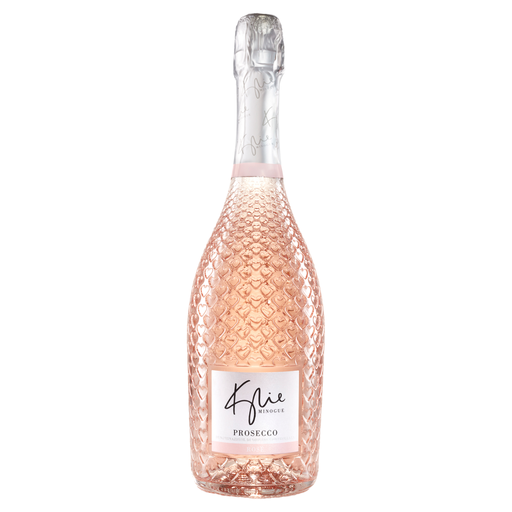
Why This Fits Their Persona: This drinker enjoys popular, modern styles and is looking for a fashionable bottle to share with friends. A Prosecco rosé is a perfect fit, combining the freshness of Prosecco with the appealing red fruit notes of a rosé.
Instead of defaulting to a more expensive rosé Champagne, this offers a trendy and high-quality alternative that is perfectly suited for sunny afternoons and lively brunches.
It presents an invigorating bouquet of strawberries and raspberries with a crisp, refreshing finish. The celebrity association adds a fun, contemporary appeal.
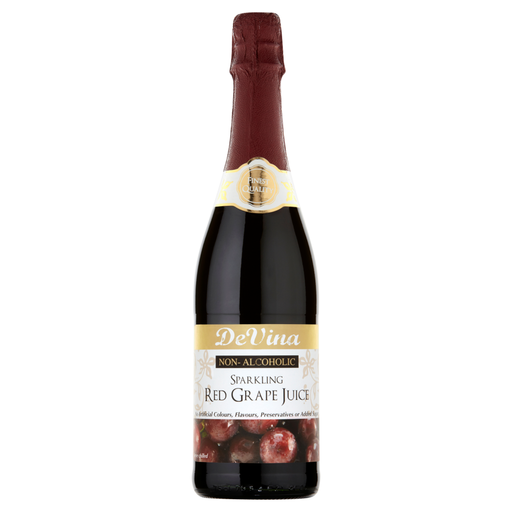
Why This Fits Their Persona: This host ensures everyone feels part of the celebration, including designated drivers, expectant mothers or guests who prefer not to drink alcohol. They need a sophisticated non-alcoholic sparkling wine.
It avoids the pitfall of offering guests a simple soft drink. This provides the celebratory feel of a sparkling wine—from the bottle to the bubbles—without the alcohol.
Made with 25% red grape juice from concentrate, it offers a rich, authentic grape flavour. It is a genuinely alcohol-free (0.0%) option suitable for all guests.
We have compiled a complete, real-time list of products that fully satisfy these strict selection criteria and UK safety regulations.
Once opened, the carbonation in sparkling wine begins to dissipate. To preserve the bubbles for as long as possible, you should use a specialised sparkling wine stopper. With a good stopper, a bottle of Champagne, Prosecco or Cava can last for 1-3 days in the refrigerator.
The primary differences are origin and production method. Cava is from Spain and made using the traditional method (like Champagne), which gives it finer bubbles and more complex, yeasty notes. Prosecco is from Italy and made using the tank method, which results in a lighter, fruit-forward wine with crisp notes of apple, pear and citrus.
While tall, narrow flutes are traditional as they preserve the bubbles and direct the aromas upwards, they are not essential. A standard white wine glass can also be an excellent choice, as its wider bowl allows the aromas of the wine to open up more fully, giving you a richer sensory experience.