
24/7 Customer Support

Free returns

Same-day & Next-day Delivery

Quality Guaranteed

Unlock Your Welcome Offers: FREE Delivery | Up to 80% OFF | Free 30-day JoyPlus trial
Download the APP
Selecting the perfect bottle of fizz can feel like a significant task. Whether you are planning a wedding toast, searching for a memorable luxury wine gift or simply wish to elevate an evening meal, the choice between classic Champagne & Sparkling Wine can be complex. With the remarkable rise of homegrown English sparkling wine offering a compelling alternative to traditional French Champagne, the options are more varied than ever.
This guide is designed to help you navigate the choices with confidence. As the Joybuy Product Recommendation Officer, my role is to provide clear, practical information, helping you find a bottle that perfectly suits your occasion and palate when you decide to buy sparkling wine online.
Before exploring our recommendations, a few key points can help clarify your search. Understanding these details will make your selection process much smoother.
You will frequently see the term 'Brut' on bottles of Champagne and sparkling wine. This is not a brand, but an important indicator of sweetness. Brut is the most common style and signifies a dry wine with little to no perceptible sweetness, making it incredibly versatile. Other terms like 'Extra Dry' (which, confusingly, is slightly sweeter than Brut) and 'Doux' (very sweet) denote different sweetness levels, but Brut Champagne remains a popular choice for its crispness and food-pairing flexibility.
The fundamental difference is geographical. For a wine to be called Champagne, it must be produced from grapes grown in the Champagne region of France and made according to a strict set of rules. English sparkling wine, particularly from southern counties like Hampshire and Kent, is often made using the very same traditional method and grape varieties (Chardonnay, Pinot Noir and Pinot Meunier). Thanks to a similar climate and chalky soil, English fizz has gained international acclaim for its quality, often presenting a crisp, vibrant acidity that distinguishes it.
The right bottle often depends on the context. Are you looking for a celebration wine for a large toast? A globally recognised name might be fitting. Are you pairing it with seafood? A wine with high acidity and citrus notes would be ideal. For a thoughtful gift, a bottle with a unique story or a distinctive flavour profile, like a vintage release, can make a lasting impression.
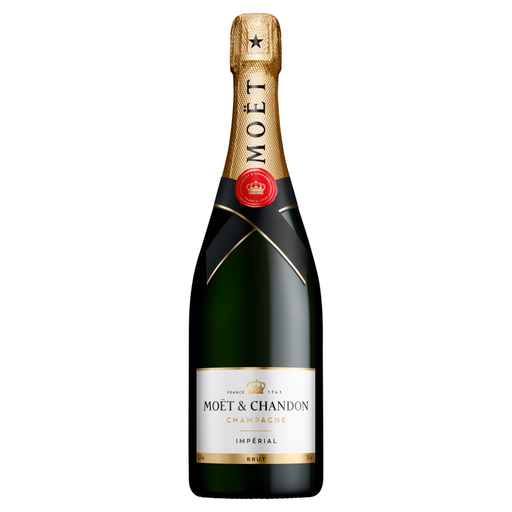
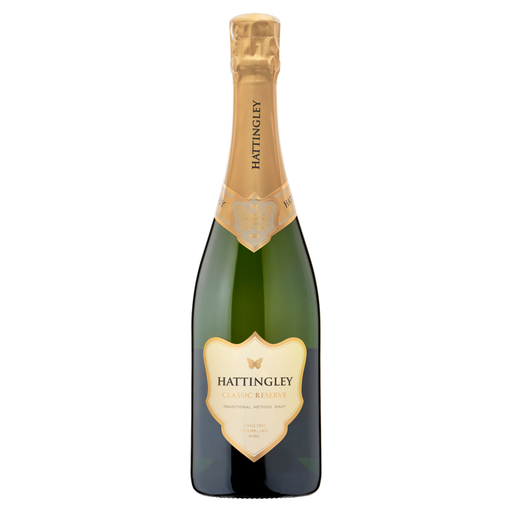
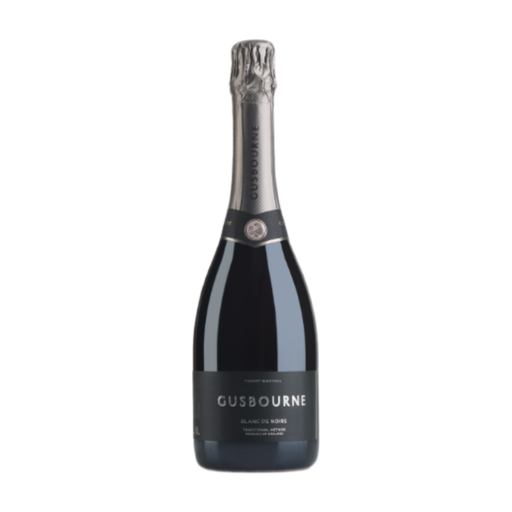
Here are a few standout options available on Joybuy, each offering a distinct experience.
Once you have opened a bottle of fine sparkling wine, you will want to preserve its effervescence for as long as possible. A standard wine cork will not suffice. A specially designed sparkling wine stopper creates a tight seal that locks in the bubbles, ensuring your second glass is nearly as fresh as the first.
To ensure your celebration wine stays vibrant after opening, it is worth investing in a quality stopper. You can explore a selection of wine corks and stoppers to find the right fit for your needs.
1. What is the main difference between Champagne and sparkling wine? The primary difference is origin. True Champagne can only come from the Champagne region of France. Sparkling wines are produced all over the world, including high-quality examples from England, Italy (Prosecco) and Spain (Cava), each with its own distinct methods and character.
2. What does 'Brut' mean on a Champagne label? 'Brut' indicates the wine is dry, with a very low level of residual sugar. It is the most popular style of Champagne and sparkling wine, known for its crisp and refreshing taste, making it suitable for a wide range of occasions and food pairings.
3. Is English sparkling wine as good as Champagne? English sparkling wine has earned a reputation for outstanding quality, frequently winning international awards. While it is made using the same traditional method as Champagne, its character is unique. It often has a distinctively crisp acidity due to the UK's cooler climate, offering a fantastic and high-quality alternative rather than a direct imitation. The choice between them often comes down to personal preference.